
Asian Inspired Mustard Greens
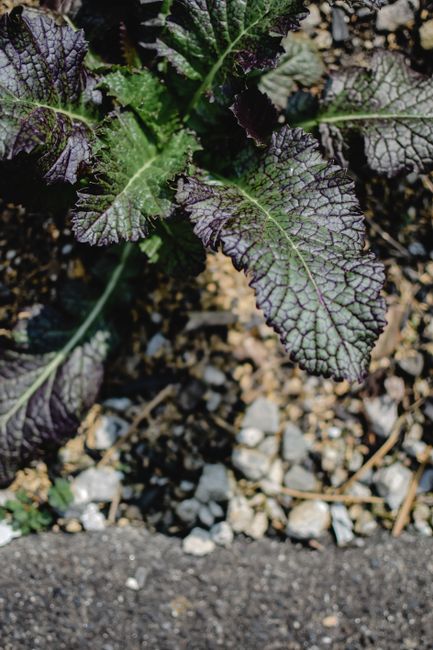
Asian Inspired Mustard Greens: A Culinary Exploration of Flavor, Nutrition, and Versatility
Asian inspired mustard greens represent a vibrant and diverse category of leafy vegetables deeply embedded in the culinary traditions of numerous Asian countries. These greens, characterized by their peppery, pungent, and often slightly bitter flavor profile, are far more than just a humble side dish; they are a cornerstone of healthy eating, a canvas for complex flavors, and a testament to the ingenuity of Asian cuisines. Their distinct taste stems from a high concentration of glucosinolates, sulfur-containing compounds that contribute not only to their characteristic bite but also to their impressive nutritional value. From the robust bite of Chinese mustard greens (often referred to as Gai Choy or Jie Cai) to the milder yet still zesty notes of Japanese Mibuna, and the fiery intensity of Indian Sarepta, the spectrum of Asian mustard greens offers a unique culinary journey. Understanding the nuances of these greens – their cultivation, selection, preparation, and the myriad ways they are incorporated into Asian dishes – unlocks a world of flavorful and nutritious possibilities. Their adaptability allows them to be stir-fried, braised, pickled, used in soups, or even enjoyed raw in certain varieties, making them an indispensable ingredient for both home cooks and professional chefs seeking to infuse their dishes with authentic Asian flair and a boost of vital nutrients.
The nutritional powerhouse of Asian inspired mustard greens is undeniable. Beyond their distinctive flavor, these greens are exceptionally rich in vitamins, minerals, and antioxidants, making them a cornerstone of health-conscious Asian diets. They are particularly abundant in Vitamin K, a fat-soluble vitamin crucial for blood clotting and bone health. A single serving can often exceed the daily recommended intake, contributing significantly to overall well-being. Furthermore, Asian mustard greens are an excellent source of Vitamin C, a potent antioxidant that supports the immune system, promotes collagen production, and aids in iron absorption. Their Vitamin A content, primarily in the form of beta-carotene, is also noteworthy, playing a vital role in vision, cell growth, and immune function. Beyond vitamins, these greens are a good source of essential minerals like calcium, potassium, and manganese. Calcium contributes to strong bones and teeth, potassium helps regulate blood pressure, and manganese is involved in various metabolic processes and antioxidant defense. The presence of phytonutrients, including flavonoids and glucosinolates, further elevates their health benefits. Glucosinolates, as mentioned, are responsible for the pungent flavor and are broken down into biologically active compounds like isothiocyanates, which have demonstrated anti-inflammatory and anti-cancer properties in scientific studies. The fiber content in Asian mustard greens aids digestion, promotes satiety, and contributes to a healthy gut microbiome, further solidifying their status as a health-promoting vegetable. Incorporating these nutrient-dense greens into a regular diet offers a multifaceted approach to disease prevention and the maintenance of optimal bodily function, aligning perfectly with the principles of holistic wellness prevalent in many Asian cultures.
The vast geographical expanse of Asia has cultivated a rich tapestry of mustard green varieties, each with its unique characteristics and culinary applications. In China, the term "Jie Cai" (芥菜) encompasses a broad category, with notable sub-varieties like Gai Choy (大芥菜) and Xiao Gai Choy (小芥菜). Gai Choy, the larger, more robust variety, often features thicker stems and a pronounced peppery bite, making it ideal for braising and pickling, where its flavor intensifies and mellows. Its substantial texture holds up well to longer cooking times. Xiao Gai Choy, its smaller, more tender counterpart, offers a milder pungency and is frequently stir-fried or used in soups, absorbing flavors beautifully without becoming overwhelmingly bitter. Sichuan cuisine, in particular, utilizes pickled mustard greens (Zha Cai – 榨菜) extensively, a product of the mature Gai Choy stems that undergo salting and fermentation, developing a complex umami and spicy profile.
In Japan, mustard greens are represented by varieties like Mibuna (ミブナ) and Mizuna (ミズナ). While both are technically brassicas and share a peppery characteristic, Mibuna is generally considered to have a milder, sweeter, and more delicate flavor with thinner, more tender leaves. It is often enjoyed raw in salads, lightly blanched, or added to hot pots and stir-fries towards the end of cooking to preserve its crispness. Mizuna, while sometimes categorized alongside mustard greens due to its peppery undertones, is botanically distinct and known for its deeply lobed, feathery leaves and a refreshingly sharp, peppery taste. It’s a popular addition to Japanese salads, sushi rolls, and as a garnish.
The Indian subcontinent boasts its own robust mustard green, most notably the Sarepta (Brassica juncea), commonly known as Sarson ka Saag in North India. This variety is characterized by its intense, pungent flavor and is a winter staple, particularly in Punjab. The preparation of Sarson ka Saag is a labor of love, often involving slow simmering of the greens with spices like ginger, garlic, and chilies, and sometimes enriched with butter or ghee, creating a deeply flavorful and hearty dish. The distinct earthiness and heat of Sarepta are central to its appeal.
Across Southeast Asia, variations like the Bilis ng Sampalok (Filipino mustard greens) offer a tart and tangy dimension, often stewed with tamarind for a distinctive sourness. These regional adaptations highlight the adaptability of the mustard green family, demonstrating how different climates and culinary traditions have shaped the cultivation and utilization of these versatile vegetables. Each variety, while sharing a common ancestry, offers a unique sensory experience and opens up distinct culinary pathways.
The selection of fresh, high-quality Asian inspired mustard greens is paramount to achieving optimal flavor and texture in any dish. When choosing these leafy vegetables, several key indicators will guide you toward the best produce. Look for vibrant, deep green leaves; any signs of yellowing or browning suggest the greens are past their prime and may have a more bitter or wilted taste. The leaves should be crisp and firm, not limp or flaccid. For varieties with thicker stems, like Gai Choy, inspect the stems to ensure they are plump and free from significant blemishes or damage. Avoid greens that appear waterlogged or have a slimy texture, as this indicates spoilage.
The aroma of fresh mustard greens is typically clean and slightly peppery. Any off-putting or overly pungent odor can be a sign of degradation. If purchasing from a farmer’s market or a reputable Asian grocery store, don’t hesitate to ask the vendor about the freshness and origin of the greens. They can often provide valuable insights into which varieties are best suited for specific cooking methods. For pickling and braising, opting for slightly more mature, robust greens is often preferred, as their flavor intensifies with cooking. For salads or lighter stir-fries, younger, more tender leaves will yield a more delicate texture and less intense pungency. Understanding the specific characteristics of the variety you are purchasing will inform your selection process, ensuring you bring home the best possible ingredients for your culinary endeavors.
Preparation of Asian inspired mustard greens, while seemingly straightforward, involves techniques that can significantly enhance their flavor and texture, mitigating any potential bitterness and unlocking their full culinary potential. The initial step for most varieties involves thorough washing. Due to their growth close to the ground, these greens can harbor grit and soil. Submerging them in a large basin of cold water and gently swishing them around, then repeating the process until the water runs clear, is essential. For larger, more mature greens with thicker stems, like Gai Choy, it is often beneficial to separate the leaves from the stems. The stems can be chopped into smaller, bite-sized pieces and cooked for a slightly longer duration than the leaves, as they require more time to tenderize. The leaves can then be roughly chopped or torn, depending on the desired texture of the final dish.
Blanching is a highly effective technique for subduing the inherent pungency and bitterness of many mustard green varieties, while also preserving their vibrant color and crispness. This involves briefly immersing the greens in boiling water for a short period, typically 30 seconds to 2 minutes, depending on the thickness of the leaves. Immediately after blanching, the greens should be transferred to an ice bath to halt the cooking process. This shock treatment helps retain their bright green hue and firm texture. After blanching and draining, they can be further chopped or used as is.
For stir-frying, a high-heat, quick-cooking method, the greens are typically added towards the end of the cooking process to maintain their crispness. The wok should be smoking hot, and the greens should be tossed vigorously with aromatics like garlic, ginger, and chili peppers. A splash of soy sauce, rice wine vinegar, or oyster sauce can add depth of flavor. Braising, particularly for tougher varieties like Gai Choy, involves simmering the greens in a flavorful liquid, such as broth, soy sauce, or even pickled brine, for an extended period. This slow cooking method allows the greens to become incredibly tender and absorb the surrounding flavors, resulting in a rich and deeply satisfying dish.
Pickling is another ancient and revered method for preserving and transforming mustard greens. In this process, whole or chopped greens are brined in a mixture of salt, water, and sometimes spices or fermentation agents. The fermentation process develops complex flavors and textures, yielding a tangy, savory, and often spicy condiment or ingredient, as exemplified by Chinese Zha Cai. Regardless of the chosen method, the careful preparation of Asian inspired mustard greens is a key to unlocking their delicious and diverse culinary applications.
The integration of Asian inspired mustard greens into a variety of dishes showcases their remarkable versatility and ability to complement a wide array of flavors and textures. In Chinese cuisine, they are a staple in stir-fries, often paired with pork, tofu, or other vegetables. A classic preparation involves stir-frying chopped Gai Choy with slivers of pork belly, garlic, and a touch of soy sauce and Shaoxing wine, creating a savory and slightly sweet dish. They are also a vital component of many Chinese soups, adding a refreshing peppery note to clear broths and heartier stews. The aforementioned Zha Cai, pickled mustard greens, are an iconic Sichuan condiment, frequently diced and stir-fried with minced pork or beef to create a flavorful filling for dumplings or a topping for noodles.
Japanese cuisine frequently features mustard greens in simpler preparations that highlight their natural flavors. Mizuna, with its feathery leaves, is a popular choice for salads, often dressed with a sesame vinaigrette or soy-ginger dressing. It’s also a common addition to shabu-shabu and sukiyaki, adding a fresh, slightly pungent contrast to the rich broths. Mibuna, being more tender, is often lightly sautéed or added to miso soup for a subtle peppery kick.
In India, Sarson ka Saag is not merely a side dish but a celebrated main course, especially during the winter months. This slow-cooked delicacy, often served with makki di roti (corn flatbread) and a dollop of white butter, is a symphony of earthy flavors and warming spices. The intense pungency of the mustard greens is beautifully balanced by the sweetness of onions, the heat of chilies, and the fragrant aroma of ginger and garlic.
Beyond these traditional applications, Asian inspired mustard greens are increasingly finding their way into global cuisines. Their bold flavor profile makes them an excellent addition to fusion dishes, offering a unique twist to pasta sauces, pizzas, or even as a zesty component in wraps and sandwiches. Their nutritional density also makes them an attractive ingredient for health-conscious chefs looking to incorporate more nutrient-rich vegetables into their menus. Whether braised until tender, stir-fried to a crisp, or pickled for a tangy bite, these greens offer a gateway to exploring the depth and diversity of Asian culinary traditions while simultaneously enhancing the nutritional profile of any meal.
The growing interest in plant-based and health-conscious eating has propelled Asian inspired mustard greens to the forefront of culinary exploration, solidifying their position as more than just a regional specialty. Their inherent nutritional density, packed with vitamins, minerals, and potent antioxidants, aligns perfectly with the modern emphasis on wellness and disease prevention. The glucosinolates present in these greens, known for their potential anti-cancer and anti-inflammatory properties, further enhance their appeal to health-aware consumers. As dietary trends shift towards incorporating a wider variety of vegetables and reducing reliance on animal products, the robust flavor and satisfying texture of mustard greens offer a compelling alternative to more commonly consumed leafy greens.
Furthermore, the increasing accessibility of Asian ingredients in mainstream supermarkets and the burgeoning popularity of ethnic cuisines have demystified and popularized many vegetables that were once considered niche. Home cooks are now more adventurous in their culinary choices, seeking out authentic flavors and ingredients to recreate dishes they’ve encountered or to experiment with new taste profiles. This accessibility, coupled with online resources and recipe sharing, empowers individuals to confidently incorporate Asian inspired mustard greens into their everyday cooking.
From a sustainability perspective, many mustard green varieties are relatively easy to cultivate and can be grown in diverse climates, making them a more sustainable food choice. Their resilience and rapid growth cycle contribute to a lower environmental impact compared to some other food staples. The inherent adaptability of these greens, allowing them to thrive in various culinary applications, from humble home-cooked meals to sophisticated restaurant dishes, ensures their continued relevance and growing appreciation in the global food landscape. Their journey from traditional Asian staples to a celebrated ingredient worldwide is a testament to their enduring appeal, their exceptional health benefits, and their remarkable culinary versatility, promising an exciting future for these flavorful greens.
