
Twice Baked Potatoes For The Freezer 2
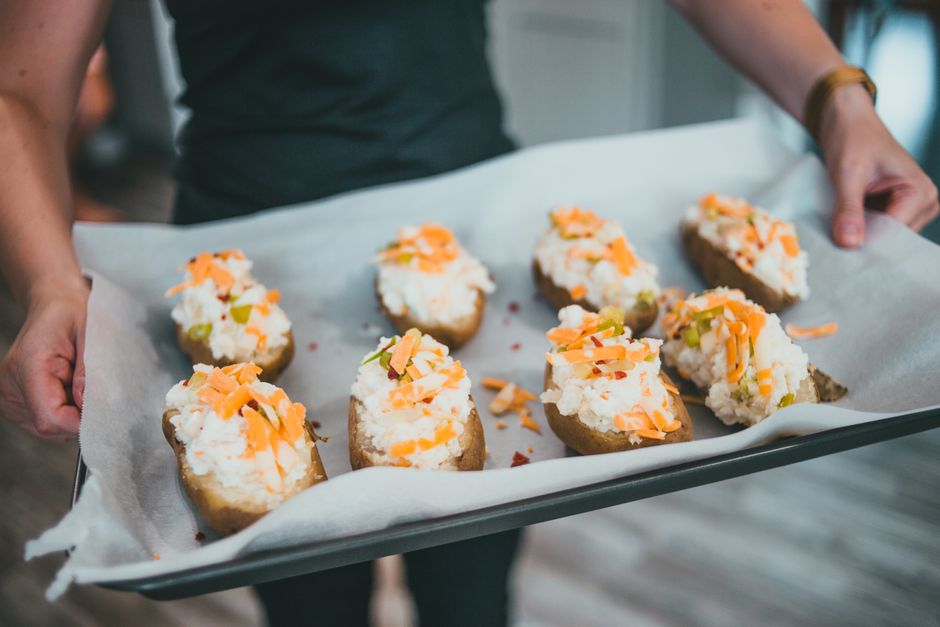
Twice Baked Potatoes for the Freezer: A Comprehensive Guide to Make-Ahead Meal Prep
Preparing twice baked potatoes for the freezer offers a strategic advantage for busy individuals and families seeking convenient, satisfying meals. This comprehensive guide explores the nuances of this make-ahead technique, covering everything from potato selection and preparation to optimal freezing and reheating methods, ensuring a delicious and stress-free dining experience. Understanding the science behind freezing starches and dairy is crucial for maximizing flavor and texture. Potatoes, when cooked and then frozen, can experience textural changes due to ice crystal formation. The high water content within the potato cells can expand during freezing, rupturing cell walls, which can lead to a softer, mushier texture upon thawing. Similarly, dairy components, such as sour cream, butter, and cheese, can undergo separation or a grainy texture if not handled properly. By employing specific techniques and ingredient choices, these potential drawbacks can be significantly mitigated, allowing for the creation of freezer-friendly twice baked potatoes that retain a remarkable resemblance to their freshly prepared counterparts. This approach not only saves time during the week but also reduces food waste by allowing for bulk preparation and portion control. The inherent versatility of twice baked potatoes means they can be customized with a wide array of ingredients, further enhancing their appeal as a freezer staple. From simple, classic preparations to gourmet variations, the possibilities are virtually limitless, making this a valuable technique for any home cook.
Potato Selection for Optimal Freezing:
The foundation of successful freezer-friendly twice baked potatoes lies in the judicious selection of potato varieties. Starchy potatoes, such as Russets (also known as Idaho potatoes), are the undisputed champions for this application. Their high starch content and low moisture create a fluffy interior that holds up exceptionally well to the freezing and reheating process. The starches contribute to a desirable texture, preventing excessive sogginess. Other starchy varieties like King Edward or Maris Piper can also be suitable, but Russets consistently deliver the best results due to their superior starch-to-moisture ratio. Waxy potatoes, such as Yukon Golds or Red Bliss, are not recommended for freezing twice baked potatoes. Their higher moisture content and dense, waxy texture can lead to a gummy or watery outcome after thawing and reheating. While they excel in dishes where their firm texture is desirable (like potato salads or roasted potatoes), they are not ideal for the specific demands of freezing and reheating for a creamy, fluffy filling. When selecting Russets, look for firm, smooth-skinned potatoes of uniform size. Avoid any with green spots, sprouts, or soft spots, as these indicate age and potential quality degradation. Smaller to medium-sized potatoes are generally easier to handle and cook more evenly, contributing to a more consistent final product. The skin of the potato also plays a role; a thicker skin can help retain moisture during baking and freezing, thus contributing to a better overall texture.
Preparation Techniques for Freezer Longevity:
The preparation of twice baked potatoes for freezing involves several key steps to ensure optimal quality. First, thoroughly wash and scrub the potatoes, removing any dirt or debris. Prick each potato several times with a fork to allow steam to escape during baking, preventing them from bursting. Baking the potatoes until they are fork-tender but not mushy is crucial. Overbaking at this stage will lead to a mushy texture after thawing and reheating. Aim for a firm yet yielding texture when pierced with a fork. Once baked, allow them to cool slightly before halving them lengthwise. Carefully scoop out the potato flesh, leaving a sturdy shell to act as a vessel for the filling. The scooped-out potato should be placed in a bowl. For the filling, traditional ingredients include butter, milk or cream, sour cream, salt, and pepper. However, for freezer longevity, consider incorporating ingredients that bind well and maintain moisture. Mashed potatoes should be creamy but not overly wet. Avoid adding excessive liquid at this stage, as this can contribute to ice crystal formation. Season generously, as flavors can mellow during freezing. Some recipes incorporate shredded cheese directly into the mash, which can aid in binding and add richness. When adding dairy, full-fat versions generally freeze better than low-fat alternatives, as they are less prone to separation.
Filling Variations for Enhanced Flavor and Texture:
The beauty of twice baked potatoes lies in their inherent adaptability. When preparing them for the freezer, consider fillings that are robust and freeze well. Classic fillings include a blend of butter, sour cream, milk, salt, and pepper. For a richer texture, full-fat sour cream and butter are recommended. Some cooks opt for heavy cream for an even more luxurious filling. Shredded cheddar cheese is a popular addition, melting into the mash and adding a savory depth. For those who enjoy a bit of kick, finely diced cooked bacon or chives can be incorporated into the filling. These additions offer textural contrast and flavor complexity. If adding vegetables, ensure they are cooked and finely chopped or pureed to prevent large ice crystals from forming. Finely minced, sautéed onions or bell peppers can add a savory note. Spinach, wilted and squeezed of excess moisture, can also be added. When considering gourmet variations, think about ingredients that complement the potato and hold up well to freezing. Crab meat, finely chopped and mixed with a creamy binder, can create an elegant filling. Diced ham, combined with cheese and a touch of mustard, offers a savory option. For a vegetarian twist, consider a filling with roasted garlic, herbs, and a blend of cheeses like Gruyere and Parmesan. The key to successful freezer-friendly fillings is to ensure a balance of moisture and fat, and to avoid ingredients that can become watery or lose their integrity upon thawing, such as fresh herbs that might become limp and discolored.
Freezing Twice Baked Potatoes: Best Practices:
Proper freezing techniques are paramount to preserving the quality of your prepared twice baked potatoes. Once the potato shells are filled and assembled, the cooling process is critical. Allow the filled potatoes to cool to room temperature before packaging for freezing. This prevents condensation from forming, which can lead to freezer burn. For optimal results, individually wrap each twice baked potato. This can be achieved by using a double layer of plastic wrap, ensuring a tight seal to minimize air exposure. Alternatively, you can place them on a baking sheet lined with parchment paper and freeze them until firm. Once solid, transfer them to airtight freezer bags or containers. This double protection is essential for preventing freezer burn, which can manifest as dry, discolored patches and off-flavors. Label each package with the date and contents. This will help you track inventory and ensure you use older batches first. Store the twice baked potatoes in the freezer for up to 2-3 months for the best quality. Beyond this timeframe, while they may still be safe to consume, their texture and flavor may begin to degrade. Proper freezer temperature, maintained at 0°F (-18°C) or below, is also vital for effective freezing and preservation. Avoid overpacking the freezer, as this can impede proper air circulation, leading to inconsistent freezing temperatures.
Reheating Methods for Delicious Results:
The reheating process is where the magic of freezer-friendly twice baked potatoes truly shines. The most recommended method for reheating is in the oven, as it allows for even heating and a desirable crispy exterior. Preheat your oven to 350°F (175°C). Place the frozen twice baked potatoes directly on a baking sheet. If they were individually wrapped, remove all plastic wrap. If they were frozen solid on a baking sheet, transfer them as is. For added crispiness, you can lightly brush the potato skins with melted butter or olive oil before reheating. Baking time will vary depending on the size of the potatoes and your oven, but typically ranges from 30 to 45 minutes. The potatoes are ready when they are heated through and the filling is bubbly. Another effective reheating method, though less ideal for achieving a crispy skin, is the microwave. Place the frozen potato on a microwave-safe plate. Microwave on medium power for 3-5 minutes, or until heated through. The skin will likely be soft and the filling creamy. For those seeking a balance between speed and quality, a combination method can be employed. Microwave the potato for a few minutes to ensure it’s heated through, then finish it in a hot oven or under the broiler for a few minutes to crisp up the skin and topping. Avoid refreezing twice baked potatoes once they have been thawed and reheated, as this can significantly compromise their texture and safety. Proper thawing before reheating, while not strictly necessary for oven methods, can sometimes lead to more even heating, especially if using a microwave.
Troubleshooting Common Issues:
Even with the best practices, occasional issues can arise when freezing and reheating twice baked potatoes. One common problem is a mushy or watery texture. This is often a result of using waxy potatoes, overbaking them initially, or adding too much liquid to the filling. If your mashed potato filling seems too wet, you can try adding a little more cheese or breadcrumbs to absorb excess moisture before freezing. Another issue is freezer burn, characterized by dry, discolored spots. This is caused by exposure to air. Ensuring a tight seal with plastic wrap and freezer bags, and minimizing air pockets, will prevent this. If freezer burn is present, you can often trim away the affected areas before reheating. A grainy texture in the filling can occur with dairy components. Using full-fat dairy products and avoiding over-reheating in the microwave can help mitigate this. If the potato skin is too soft after reheating, a few extra minutes under the broiler or in a very hot oven can help crisp it up. When troubleshooting, remember that consistency in your initial preparation is key. Precise measurements of ingredients and consistent cooking times during the initial baking will lead to more predictable results when freezing and reheating. Observing the texture and moisture content of your mashed potato filling is crucial; it should be moist but not wet.
Nutritional Considerations and Customization:
Twice baked potatoes can be a nutritious and satisfying meal, especially when prepared with mindful ingredient choices. The potato itself provides complex carbohydrates, potassium, and vitamin C. The filling can be adjusted to cater to various dietary needs and preferences. For a lower-fat option, consider using Greek yogurt or reduced-fat sour cream in the filling, though this may slightly alter the texture. Adding lean protein sources, such as finely chopped cooked chicken breast, turkey, or lean ground beef, can transform twice baked potatoes into a complete meal. For a vegetarian or vegan approach, plant-based milk alternatives, vegan butter, and a combination of nutritional yeast and plant-based cheeses can be used to create a creamy and flavorful filling. Experiment with different herbs and spices to enhance flavor without adding significant calories. Smoked paprika, garlic powder, onion powder, and a pinch of cayenne pepper can add depth and complexity. Consider adding finely chopped steamed broccoli or cauliflower for an extra boost of fiber and nutrients. When customizing for specific diets, always ensure that the chosen ingredients are freezer-friendly and will maintain their quality after thawing and reheating. For instance, if adding vegetables, steam them until tender-crisp rather than fully cooked to prevent them from becoming mushy after reheating. The goal is to create a balanced and flavorful dish that aligns with your nutritional goals.
The Economic and Environmental Benefits of Freezer Twice Baked Potatoes:
Beyond the convenience, preparing twice baked potatoes for the freezer offers significant economic and environmental advantages. Economically, bulk purchasing of potatoes and other ingredients when they are in season and on sale can lead to substantial cost savings. By preparing multiple batches at once, you reduce the cost per serving compared to purchasing pre-made frozen meals or individual ingredients for last-minute meals. This also minimizes the need for impulse grocery purchases or ordering takeout, which can be significantly more expensive. Environmentally, freezing twice baked potatoes is a powerful tool for reducing food waste. By preparing meals in advance, you are less likely to let perishable ingredients spoil in the refrigerator. Unused portions from a larger batch can be frozen, preventing them from ending up in the trash. This conscious effort to reduce waste aligns with sustainable living practices. Furthermore, by having readily available meals at home, you decrease the reliance on single-serving, often packaged convenience foods that contribute to plastic waste. The energy used to freeze and reheat a homemade meal is often comparable to or less than the energy involved in the production, packaging, and transportation of commercial frozen meals. This holistic approach to meal preparation not only benefits your wallet but also contributes to a more sustainable lifestyle by minimizing resource consumption and waste generation.
Conclusion: Mastering the Art of Freezer-Friendly Twice Baked Potatoes
Mastering the art of preparing twice baked potatoes for the freezer is an investment in time, convenience, and culinary satisfaction. By understanding the importance of potato selection, employing precise preparation techniques, experimenting with freezer-friendly fillings, adhering to best practices for freezing, and utilizing optimal reheating methods, you can consistently enjoy delicious and wholesome meals with minimal effort. The ability to transform humble potatoes into a ready-to-eat delight at a moment’s notice is a testament to the power of strategic meal preparation. This technique not only simplifies weeknight dinners but also empowers you to make healthier, more economical, and environmentally conscious food choices. From classic comfort to gourmet indulgence, the possibilities are vast, making freezer-friendly twice baked potatoes a true culinary ally for the modern kitchen. Consistent application of these principles will ensure that your freezer is stocked with a reliable and delectable resource, ready to be enjoyed whenever the craving strikes.
