
Housing Market New Existing
Navigating the Nuances: A Deep Dive into the New vs. Existing Housing Market
The housing market is a complex ecosystem, fundamentally divided into two primary segments: new construction and existing homes. Understanding the distinctions, advantages, and disadvantages of each is paramount for homebuyers, sellers, and investors alike. This comprehensive analysis delves into the intricacies of both new and existing housing markets, exploring their unique characteristics, market drivers, and implications for participants.
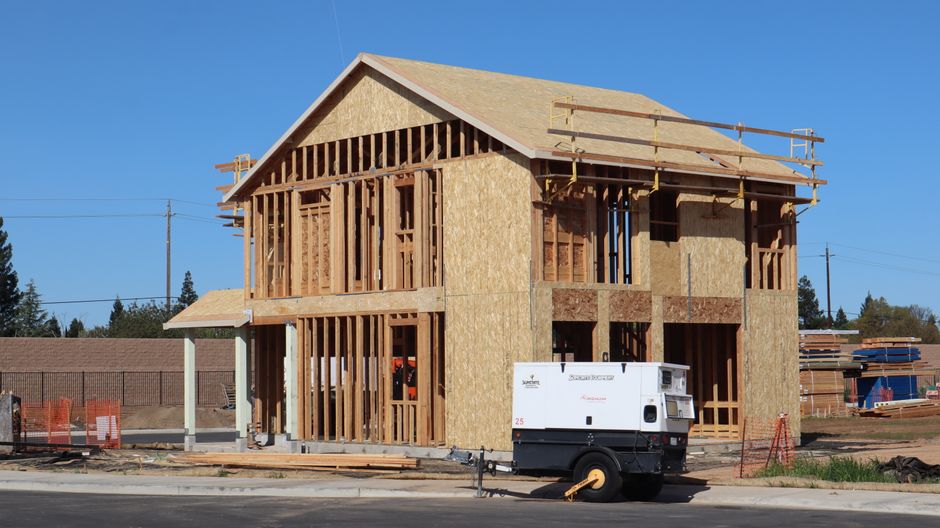
New construction refers to homes that have never been occupied. These properties are built from the ground up by developers or builders. The process typically involves purchasing a lot, securing financing for construction, and then overseeing the building process. Buyers of new homes often have the opportunity to customize certain aspects, such as finishes, layouts, and upgrades, albeit within the builder’s predefined options. The supply of new homes is directly influenced by builder confidence, land availability, labor costs, and material prices. Economic upturns often see an increase in new housing starts as builders respond to heightened demand and perceived profitability. Conversely, economic downturns or periods of uncertainty can lead to a significant slowdown in new construction as developers become more risk-averse. The regulatory environment also plays a crucial role, with zoning laws, building codes, and permitting processes impacting the speed and feasibility of new developments. The financial implications of new construction include potential tax incentives for builders and buyers, as well as the possibility of more favorable financing options for energy-efficient or sustainable features. The resale market for new construction, while less common immediately after purchase, is a factor to consider for long-term investment strategies.
Existing homes, also known as pre-owned or resale homes, are properties that have had at least one previous owner. These homes represent the vast majority of the housing market inventory. The appeal of existing homes lies in their established neighborhoods, mature landscaping, and often lower price points compared to new construction in similar areas. Buyers of existing homes are typically purchasing a property "as-is," although home inspections are a standard part of the buying process, allowing for the identification of potential issues. Sellers of existing homes are often looking to downsize, move up, or relocate, and their motivations can vary widely. The supply of existing homes is influenced by factors such as homeowner mobility, life events (job changes, family growth or contraction), and interest rate environments. When interest rates are low, homeowners are more likely to sell and move into new properties with more favorable mortgage terms, thus increasing the inventory of existing homes. Conversely, high interest rates can incentivize homeowners to stay put, leading to a tighter existing home market. The valuation of existing homes is heavily dependent on comparable sales (comps) in the immediate vicinity, market demand, the home’s condition, and its age. Depreciation is a factor, but well-maintained existing homes can retain or appreciate their value over time, particularly in desirable locations.
The decision between purchasing a new versus an existing home is a significant one, driven by a multitude of factors. For buyers prioritizing customization and modern amenities, new construction often holds greater appeal. The ability to select finishes, design layouts, and incorporate the latest technology can be a major draw. New homes also typically come with builder warranties, offering peace of mind regarding structural and system defects for a specified period. Energy efficiency is another common advantage of new construction, with modern building standards and materials often leading to lower utility bills. Furthermore, new developments may offer access to community amenities like pools, clubhouses, and parks that are not available in older neighborhoods. However, new homes often come with a higher price tag, and the building process can be lengthy and subject to delays. Location can also be a challenge, as new developments are frequently built on the outskirts of established areas, requiring longer commutes.
Existing homes, on the other hand, frequently offer a more established sense of community and character. Mature trees, well-kept yards, and a neighborhood feel are often hallmarks of older homes. They can also present a more accessible entry point into desirable school districts or sought-after urban neighborhoods, where new construction might be prohibitively expensive or unavailable. The immediate availability of an existing home is another advantage, as the purchase process, while still complex, generally does not involve a lengthy construction timeline. For buyers who value unique architectural styles or historical charm, existing homes offer a wider selection. However, the purchase of an existing home comes with the inherent risk of hidden defects. Older homes may require significant updates or renovations, leading to unexpected costs. The absence of a builder warranty means buyers are responsible for all repairs and maintenance from day one. The potential for less energy-efficient systems and outdated features can also translate to higher operating costs.
From an investment perspective, both new and existing housing markets offer distinct opportunities and risks. New construction can offer a controlled environment for appreciating assets, particularly if purchased during the early stages of a development with the expectation of future value growth. Builders may also offer incentives to early buyers. However, the speculative nature of new developments and the potential for oversupply can lead to price depreciation if demand falters. Investing in existing homes offers the potential for immediate rental income or the opportunity for "fix-and-flip" strategies. The stability of established neighborhoods can provide a more predictable return on investment, especially if the property is located in a high-demand area. The key to successful investment in existing homes often lies in thorough due diligence, accurate valuation, and effective property management. Market trends, such as gentrification in urban areas or development in suburban growth corridors, can significantly impact the profitability of investments in both segments.
The current economic climate significantly influences the dynamics between the new and existing housing markets. Factors such as interest rates, inflation, employment levels, and consumer confidence play a pivotal role. When interest rates are low, both new and existing home sales tend to increase as borrowing becomes more affordable. However, a surge in demand can also drive up prices, making both options less accessible. Periods of high inflation can increase the cost of building materials and labor, impacting the affordability of new construction and potentially making existing homes more attractive due to their fixed costs. Conversely, a robust economy with strong job growth typically fuels demand for housing across the board, benefiting both segments. The interplay between these macroeconomic factors creates a constantly shifting landscape, requiring buyers and sellers to remain adaptable. For instance, if lumber prices skyrocket, new home builders might slow down production, thus increasing demand and prices for existing homes. Conversely, if the resale market becomes saturated, builders might offer more incentives to move new inventory.
The supply chain and labor availability are critical determinants in the pace of new home construction. Global supply chain disruptions, as witnessed in recent years, can lead to significant delays in obtaining essential building materials like lumber, concrete, and appliances. This not only extends construction timelines but also drives up costs, ultimately affecting the final price of new homes. Shortages of skilled labor, including carpenters, electricians, and plumbers, further exacerbate these challenges. The existing home market is less directly impacted by these immediate supply chain issues, but rising material costs can indirectly influence renovation and repair expenses for existing homeowners, potentially affecting their selling decisions. The long-term implications of these supply-side constraints can include a sustained increase in construction costs, potentially widening the price gap between new and existing homes.
For buyers, the choice between new and existing homes often boils down to priorities and risk tolerance. New homes offer the allure of a blank canvas, modern conveniences, and warranties, but at a potentially higher cost and longer timeline. Existing homes provide a more immediate move-in possibility, often in established communities, but with the inherent risks of age and potential renovation needs. Thorough market research, a clear understanding of personal financial capacity, and a realistic assessment of individual needs are essential. Engaging with experienced real estate professionals who have expertise in both segments can provide invaluable guidance. Similarly, sellers must understand their local market conditions, the unique selling propositions of their property, and the potential buyer pool for both new and existing homes. The decision to build new or sell existing is a strategic one, influenced by personal circumstances and broader market forces.
Ultimately, the new and existing housing markets are not mutually exclusive but rather interconnected components of a larger real estate ecosystem. The health and activity within one segment invariably influence the other. A robust new construction market can alleviate pressure on existing home inventory, while a shortage of new homes can drive up demand and prices for resale properties. Understanding these intricate relationships and the myriad factors that shape them is fundamental for anyone navigating the complexities of buying, selling, or investing in real estate. The ongoing evolution of building technologies, economic conditions, and consumer preferences will continue to shape the dynamic interplay between the new and existing housing markets for the foreseeable future.
