A significant and unexpected surge in diesel fuel prices has been observed at several private gas stations across Indonesia, causing concern among consumers and businesses reliant on this critical commodity. As of Saturday, May 2, 2026, stations operated by BP-AKR and Vivo have reported substantial price hikes for their diesel offerings, with some brands experiencing dramatic increases compared to their previous pricing. This development raises questions about the underlying factors driving these sudden adjustments and their potential ramifications for the Indonesian economy.
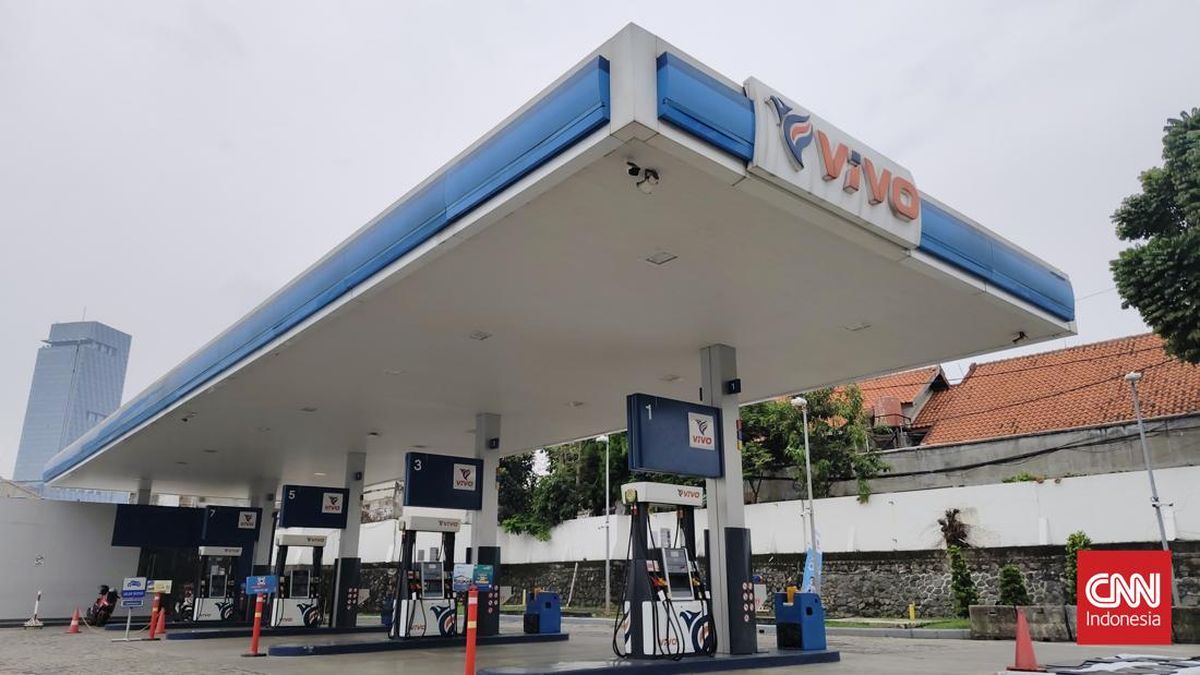
The most striking price jump was noted at Vivo service stations, where the cost of Diesel Primus has reportedly skyrocketed to Rp 30,890 per liter. This represents a dramatic escalation from its previous price of Rp 14,610 per liter, as indicated by an official Instagram post from the company on March 1, 2026. In contrast, Vivo’s Revvo 92 gasoline product has maintained its price at Rp 12,390 per liter, highlighting the specific impact on diesel fuel. The company announced the updated pricing for Diesel Primus on its official Instagram account, @spbuvivo, on Saturday, May 2, stating, "Update Harga BBM Terbaru! Saatnya isi bahan bakar dengan pilihan yang lebih smart & berkualitas di SPBU VIVO. Revvo 92 – Rp12.390, Diesel Primus – Rp30.890." This announcement directly contrasts with the pricing from March 1, underscoring the rapid nature of the increase.
BP-AKR has also implemented price adjustments for its fuel products. As of May 1, 2026, BP Ultimate was priced at Rp 12,930 per liter, BP 92 at Rp 12,390 per liter, and BP Ultimate Diesel at Rp 25,560 per liter. However, by Saturday, May 2, 2026, the price of BP Ultimate Diesel had been revised upwards to Rp 30,890 per liter, mirroring the price point seen at Vivo. This indicates a broader trend affecting diesel fuel across multiple private fuel retailers.
BP-AKR has provided a resource for customers to check fuel availability, directing them to their official website, https://bp-akr.co.id/public/KetersediaanStokSPBUbp. As of the latest update at approximately 8:00 AM on May 2, BP Ultimate Diesel was reportedly available at all BP-AKR stations across Jakarta, Banten, West Java, and East Java. The availability of BP 92 gasoline remains more widespread, while BP Ultimate gasoline is in limited supply, with specific locations in Jakarta (Citra Palem and Pluit Indah), Banten (Asterra West BSD), and West Java (Grand Wisata and Kota Wisata). BP Ultimate gasoline is not yet available in East Java.
Meanwhile, Shell service stations were reportedly not offering any fuel products, including Shell Super, Shell V-Power, Shell V-Power Nitro+, and Shell V-Power Diesel. A statement on Shell’s official website indicated, "Mohon maaf, Shell Super sedang tidak tersedia di SPBU Shell," suggesting a temporary halt in sales or significant supply chain disruptions affecting their entire product range.
Background Context and Potential Drivers
The recent surge in diesel fuel prices in Indonesia occurs against a backdrop of global energy market volatility. While the provided article does not explicitly state the reasons for the price hikes, several factors could be at play. These typically include fluctuations in international crude oil prices, currency exchange rates (specifically the Indonesian Rupiah against the US Dollar, as oil is priced in USD), domestic fuel demand, government policies, and logistical challenges.
Historically, Indonesia’s fuel prices have been subject to government subsidies, particularly for subsidized diesel and gasoline. However, private fuel retailers operate in a more market-driven environment, meaning their prices are more directly influenced by global commodity prices and their own operational costs. The significant increase observed could signal a substantial shift in the cost of importing or procuring diesel fuel, or a strategic pricing adjustment by these companies in response to market conditions.
The discrepancy between the price of gasoline and diesel at the same stations is also noteworthy. This could indicate that the upstream cost of diesel fuel has risen disproportionately compared to gasoline, or that demand for diesel, often used in transportation and industrial sectors, has put particular upward pressure on its price.
Chronology of Price Adjustments
- March 1, 2026: Vivo last announced its fuel prices, with Diesel Primus priced at Rp 14,610 per liter.
- May 1, 2026: BP-AKR announced its fuel prices, with BP Ultimate Diesel at Rp 25,560 per liter.
- May 2, 2026 (Morning Update):
- Vivo officially announces Diesel Primus at Rp 30,890 per liter via Instagram. Revvo 92 remains at Rp 12,390 per liter.
- BP-AKR’s BP Ultimate Diesel price is observed to have risen to Rp 30,890 per liter.
- May 2, 2026 (Ongoing): Shell service stations are reported to be not selling any fuel products.
Supporting Data and Market Analysis
The reported prices for diesel fuel at private stations, reaching Rp 30,890 per liter, are exceptionally high and represent a significant departure from previous levels. To contextualize this, consider the following:
- Subsidized Diesel: The Indonesian government sets a subsidized diesel price, which is considerably lower and available to specific user groups. While the exact subsidized price fluctuates, it typically remains well below market rates. The prices observed at BP-AKR and Vivo are clearly in the non-subsidized, market-driven category.
- International Benchmarks: Global diesel prices are influenced by the price of crude oil and refining margins. Fluctuations in the Brent crude oil benchmark, for instance, directly impact the cost of producing diesel. If international diesel prices have surged, it would naturally translate to higher prices for imported fuel.
- Exchange Rate Impact: The Indonesian Rupiah’s performance against the US Dollar is a critical factor. A weakening Rupiah makes dollar-denominated imports, including fuel, more expensive in local currency terms.
- Demand and Supply Dynamics: High demand for diesel, particularly for logistics and industrial activities, can push prices up. Conversely, supply disruptions, whether at the refinery level, in shipping, or due to geopolitical events affecting oil production, can lead to price spikes.
The parallel increase to Rp 30,890 per liter at both BP-AKR and Vivo suggests a common external factor influencing their procurement costs. It is unlikely that two independent companies would independently arrive at the exact same sharp price increase without a shared market driver.
Official Responses and Consumer Impact
As of the reporting time, official statements directly addressing the cause of these dramatic price increases from BP-AKR and Vivo were limited to their price announcements and availability information. The absence of detailed explanations suggests that the companies may be awaiting further clarification from their suppliers or are still assessing the full impact of the market shifts.
The surge in diesel prices has immediate and significant implications for consumers and businesses:
- Transportation Costs: Businesses relying on diesel-powered vehicles, such as logistics companies, public transportation operators, and heavy industry, will face substantially higher operating costs. This could lead to increased prices for goods and services, contributing to inflationary pressures.
- Consumer Spending: Higher transportation and goods costs can reduce disposable income for households, potentially impacting consumer spending on other items.
- Competitiveness: Businesses that are heavily dependent on diesel fuel may see their competitiveness erode if they cannot pass on the increased costs to their customers.
- Shift to Alternatives: In the longer term, sustained high diesel prices could accelerate the adoption of more fuel-efficient vehicles or alternative energy sources.
The situation at Shell, with a complete halt in sales, adds another layer of complexity. This could indicate severe supply chain issues specific to Shell’s operations or a broader problem affecting fuel availability in the region that is impacting multiple retailers differently.
Broader Impact and Future Outlook
The sharp increase in private diesel fuel prices serves as a stark reminder of Indonesia’s exposure to global energy market dynamics. While government subsidies aim to cushion the impact on a portion of the population, the market segment served by private retailers is more vulnerable to price volatility.
This event could prompt a renewed discussion about energy security, diversification of energy sources, and the long-term strategy for fuel pricing in Indonesia. It also underscores the importance of transparency from fuel retailers regarding the factors that influence their pricing decisions.
Further analysis would be required to pinpoint the exact international or domestic factors driving this surge. Investigations into global crude oil benchmarks, refining margins, and the exchange rate of the Indonesian Rupiah would be crucial. Additionally, understanding the specific supply chain dynamics for diesel in Indonesia and the procurement strategies of companies like BP-AKR and Vivo would provide more clarity.
The coming days and weeks will be critical in observing whether these high prices persist, whether other private fuel retailers follow suit, and what actions, if any, the government might consider to mitigate the impact on the economy, particularly for sectors heavily reliant on diesel fuel. The situation at Shell also warrants close monitoring to understand the duration and scope of their operational pause. For consumers and businesses, the immediate concern is the increased cost of essential fuel, highlighting the ongoing challenges of navigating a volatile global energy landscape.
Related posts: