
Senegal President Cancels Election
Senegal’s President Macky Sall Cancels February 3rd Election: A Nation on Edge
The unforeseen and deeply controversial decision by Senegalese President Macky Sall to indefinitely postpone the February 3rd presidential election has plunged the West African nation into a period of significant political uncertainty and unrest. This abrupt cancellation, announced just weeks before the scheduled vote, has ignited widespread protests, drawing sharp criticism from domestic opposition figures, civil society organizations, and international observers alike. The move is widely perceived as a deliberate attempt to extend Sall’s tenure beyond his constitutionally mandated two terms, raising profound questions about democratic norms and the future stability of Senegal, a country long considered a bastion of democracy in a region often plagued by political upheaval.
The immediate catalyst for Sall’s decision appears to be a parliamentary inquiry launched into allegations of corruption and disqualification of several key presidential candidates by the Constitutional Council, including prominent opposition figures like Karim Wade and Ousmane Sonko. While the government has framed the postponement as a necessary measure to ensure a transparent and inclusive electoral process, critics vehemently dispute this narrative. They argue that the inquiry was politically motivated and designed to eliminate potential rivals, thereby paving the way for a handpicked successor or a continuation of Sall’s rule through a delayed and manipulated election. The Constitutional Council’s decision to disqualify candidates, based on a controversial interpretation of eligibility criteria and past convictions, has been particularly contentious, with many viewing it as a politically engineered move to curb opposition influence. The subsequent legislative hearings, characterized by accusations of political maneuvering and biased testimonies, further fueled suspicions of a pre-determined outcome designed to consolidate presidential power.
President Sall’s televised address announcing the postponement cited "serious disputes" surrounding the candidate selection process and the need for "calm and serenity." He also referenced the involvement of certain judges and parliamentarians in alleged corrupt practices, which he claimed necessitated further investigation and resolution before a legitimate election could proceed. This justification has been met with widespread skepticism. The opposition contends that these allegations are a pretext to avoid a legitimate electoral contest that Sall and his ruling coalition likely feared losing. The timing of the announcement, so close to the election date, has amplified these concerns, leaving electoral stakeholders scrambling and disenfranchised citizens feeling betrayed. The lack of a clear roadmap or revised timeline for a future election adds to the prevailing sense of disarray and mistrust, fueling anxieties about the long-term implications for Senegal’s democratic institutions.
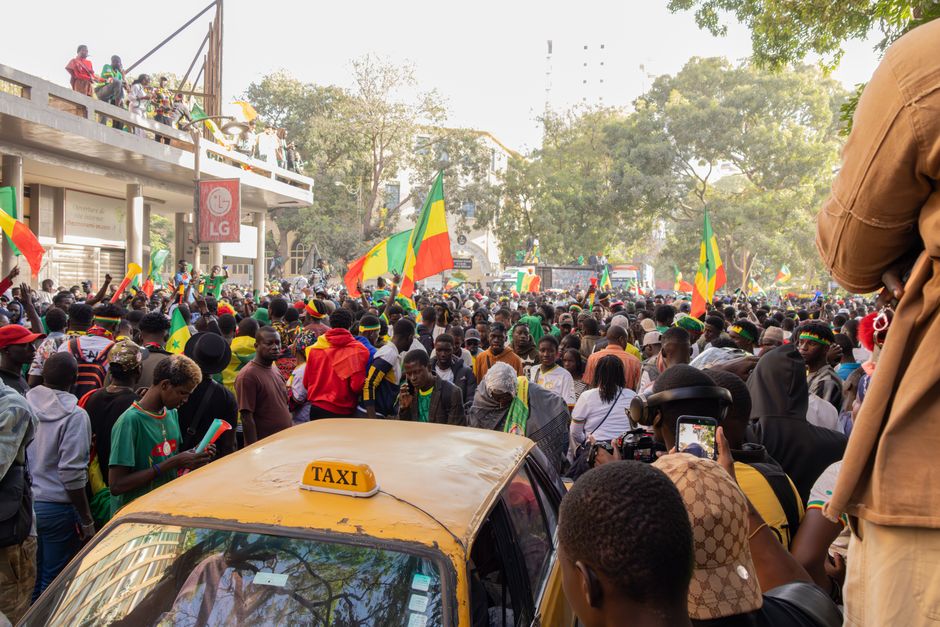
The decision has triggered a wave of street protests across Senegal, particularly in Dakar and other major cities. These demonstrations, often met with a heavy-handed police response, have resulted in arrests, injuries, and even fatalities. Opposition leaders, including Ousmane Sonko, who remains a significant figure despite his disqualification, have called for continued resistance and have vowed to challenge the postponement through all available legal and political avenues. The government, in turn, has warned against any form of sedition or violence, asserting its authority to maintain order. This escalating tension between the state and its citizens highlights the deep polarization within Senegalese society and the precariousness of the current political situation. The use of force to suppress dissent has further alienated segments of the population, hardening their resolve and making a peaceful resolution increasingly challenging.
Internationally, the reaction to President Sall’s decision has been predominantly negative. Regional bodies such as the Economic Community of West African States (ECOWAS) and international organizations like the African Union and the United Nations have expressed deep concern and urged for the respect of Senegal’s constitutional framework and democratic principles. They have called for dialogue, a swift return to electoral normalcy, and the assurance of a free and fair election. The United States and the European Union have also issued statements condemning the postponement and emphasizing the importance of upholding democratic standards. This international pressure, while unlikely to immediately reverse Sall’s decision, could shape future diplomatic engagement and potentially impact Senegal’s relationships with key international partners. The reputational damage to Senegal as a democratic model is significant, potentially impacting foreign investment and development aid.
The legal basis for President Sall’s decision is also a subject of intense debate. The Senegalese constitution does not explicitly grant the president the power to unilaterally postpone an election due to disputes in the candidate selection process. While the president has emergency powers, these are generally invoked in situations of grave threat to national security, which many argue is not the case here. The opposition is exploring legal challenges to the postponement, aiming to pressure the judiciary to uphold the electoral calendar. However, the independence and impartiality of the judiciary in this context are also being questioned, given the perceived political influence surrounding the Constitutional Council’s earlier decisions. The reliance on a potentially flawed legal justification for such a drastic measure has further eroded public trust in the institutions.
The political maneuvering behind the scenes is believed to be complex, involving power struggles within the ruling coalition and Sall’s own strategic calculations regarding his post-presidency. There are widespread rumors that Sall intends to influence the selection of his successor, potentially ensuring a continuation of his political legacy and protection from future prosecution. The postponement, in this view, buys him time to solidify these arrangements. The exclusion of key opposition figures like Karim Wade, son of former President Abdoulaye Wade, and Ousmane Sonko, a populist firebrand who has galvanized significant youth support, suggests a deliberate attempt to reshape the political landscape in favor of the ruling party or its preferred candidates. The narrative of "national reconciliation" has been invoked by some pro-government voices, but critics dismiss this as a smokescreen for autocratic ambitions.
The economic implications of this political instability are also a growing concern. Senegal’s economy, which has shown promise in recent years, relies on foreign investment and international trade. The prolonged political uncertainty, coupled with the potential for further civil unrest, could deter investors and disrupt economic activity. The tourism sector, a significant contributor to the economy, is particularly vulnerable to negative perceptions of political instability. The government’s assurances of economic stability are being met with caution by the business community, which is closely monitoring developments. The impact on essential services and day-to-day economic life for ordinary citizens is also a significant worry as protests and potential disruptions escalate.
The long-term consequences of President Sall’s decision are far-reaching. It has significantly damaged Senegal’s reputation as a stable democracy and a model for the region. The erosion of trust in democratic institutions could have a lasting impact on civic engagement and the willingness of citizens to participate in the political process. The current crisis raises fundamental questions about the resilience of democratic institutions in the face of executive overreach and the importance of an independent judiciary and electoral commission. The narrative of a "democratic recession" in Africa, characterized by a rise in authoritarian tendencies and a decline in electoral integrity, finds a stark illustration in Senegal’s current predicament.
The path forward for Senegal is uncertain and fraught with challenges. The opposition remains united in its opposition to the postponement and is likely to continue its protests and legal challenges. The government faces increasing pressure from both domestic and international actors to reinstate the electoral calendar and ensure a free and fair election. The potential for further escalation of violence and instability looms large. The resolution of this crisis will depend on the ability of Senegalese stakeholders to find common ground, uphold the rule of law, and restore faith in the democratic process. The outcome of this unprecedented political crisis will undoubtedly shape the future trajectory of Senegal and serve as a critical case study for democratic governance in Africa and beyond. The international community will be watching closely to see if Senegal can navigate this turbulent period and reclaim its standing as a beacon of democracy. The emphasis now shifts to whether dialogue can prevail over confrontation, and whether the constitutional framework can be respected to pave the way for a legitimate electoral process. The very legitimacy of Senegal’s democratic experiment is currently on trial, and the choices made in the coming weeks and months will have profound and lasting consequences.
