
Iraq Iran Us Strikes
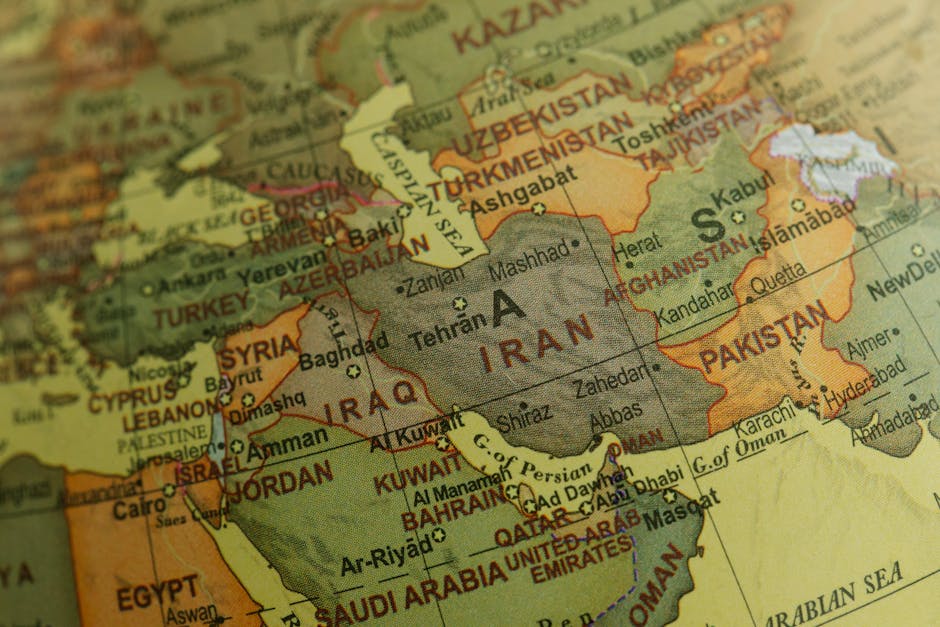
Iraq, Iran, and US Strikes: A Nexus of Geopolitical Tension and Escalation
The complex and volatile relationship between Iraq, Iran, and the United States has been a defining feature of Middle Eastern geopolitics for decades, marked by intermittent periods of intense conflict, proxy warfare, and carefully calibrated diplomatic maneuvering. Recent years, in particular, have witnessed a disturbing escalation of strikes and counter-strikes involving these three actors, primarily centered within Iraq’s borders but with significant spillover effects into the wider region. Understanding this dynamic requires dissecting the motivations, actors, and consequences of these military actions, as well as the underlying historical grievances and strategic objectives that fuel them. The United States, since the 2003 invasion, has maintained a significant military presence in Iraq, ostensibly to combat terrorism and support the fledgling Iraqi government. Iran, conversely, views Iraq as a crucial sphere of influence and has cultivated a network of powerful Shiite militias and political allies within the country. These competing interests create a perpetual friction point, where any perceived transgression by one party can trigger a rapid and often violent response from another. The cycle of strikes, therefore, is not an isolated phenomenon but a symptom of a deeply entrenched geopolitical struggle for regional dominance and security.
The primary catalyst for the recent wave of strikes has been the persistent presence and actions of Iran-backed militias operating within Iraq. These groups, some of which are designated as terrorist organizations by the United States, have been accused of launching rocket and drone attacks against Iraqi bases hosting US personnel, as well as against US interests in neighboring countries like Syria. These attacks, often attributed to groups like Kata’ib Hezbollah, Asa’ib Ahl al-Haq, and Harakat al-Nujaba, are framed by the militias and their Iranian patrons as a legitimate response to the US military presence, a continuation of their struggle against foreign occupation, and a means of asserting their influence within Iraq. For the United States, these attacks represent an unacceptable threat to its forces and allies, as well as a direct challenge to regional stability. Consequently, the US military has responded with targeted strikes against militia leadership, weapons caches, and operational facilities, often within Iraq and sometimes in Syria. These retaliatory actions, while aimed at deterring future attacks, invariably risk civilian casualties, further inflame sectarian tensions within Iraq, and provide Iran with justification for its continued support of these proxy forces.
The role of Iran in orchestrating or enabling these attacks is a matter of ongoing debate and intelligence assessment. However, it is widely acknowledged that Tehran provides significant financial, military, and ideological support to these Shiite militias. Iran views these groups as strategic assets, extending its military reach and influence across the region, and providing a potent means of projecting power and challenging US hegemony. The attacks on US forces, from Tehran’s perspective, serve multiple purposes: they impose costs on the US, demonstrate Iranian resolve, rally domestic support, and underscore the perceived illegitimacy of the US presence in Iraq. Furthermore, these actions can be used as leverage in broader diplomatic negotiations with the United States, particularly concerning Iran’s nuclear program and sanctions relief. Therefore, Iran’s involvement is not merely passive; it is an active component of a sophisticated strategy to shape the regional security landscape in its favor.
The United States’ response to these Iranian-backed attacks has been characterized by a delicate balancing act. On one hand, there is a clear imperative to protect American lives and deter further aggression. On the other hand, there is a profound concern about escalating the conflict into a full-blown war with Iran, a scenario that would have devastating consequences for the entire region, including significant risks to global oil supplies and an increased likelihood of widespread humanitarian crises. This has led to a pattern of calibrated responses, often involving limited strikes on specific targets, rather than broad-ranging military action. However, the effectiveness of this strategy is debatable. While it may prevent immediate, large-scale escalations, it has not demonstrably deterred Iran or its proxies from continuing their attacks, leading to a cyclical pattern of violence. The political pressures within the United States, both from those who advocate for a more aggressive posture and those who fear wider conflict, further complicate decision-making regarding the appropriate level of response.
Iraq, caught in the middle of this geopolitical tug-of-war, bears the brunt of the violence. The strikes, whether conducted by Iranian proxies or in retaliation by the US, frequently occur on Iraqi soil, leading to civilian casualties, damage to infrastructure, and further instability. The Iraqi government, itself a fragile entity struggling to assert its sovereignty and maintain order, often finds itself in an untenable position. It is pressured by Iran to denounce US actions and to expel American forces, while simultaneously needing to cooperate with the US for security and economic reasons. The presence of these powerful, often unaccountable militias within Iraq further erodes the authority of the Iraqi state, creating a parallel power structure that can act with impunity. This internal fragmentation makes Iraq an increasingly vulnerable battleground for external powers, hindering its efforts to rebuild and prosper. The cycle of strikes exacerbates sectarian divisions, entrenches the influence of non-state armed actors, and further delays the process of national reconciliation.
The strategic implications of these strikes extend far beyond the immediate theater of operations. The increased tensions between the US and Iran, fueled by these military actions, have a direct impact on global energy markets. Any disruption to oil production or transport in the Persian Gulf, a constant concern during periods of heightened conflict, can lead to significant price volatility, impacting economies worldwide. Furthermore, the ongoing conflict contributes to a broader sense of instability and insecurity in the Middle East, potentially emboldening other extremist groups and diverting resources from development and humanitarian efforts. The continued reliance on proxy warfare by Iran, and the US response through targeted strikes, risks a slow-burning but persistent escalation that could eventually spiral out of control. The absence of a clear diplomatic off-ramp or a mutually agreed-upon framework for de-escalation further heightens these risks.
The discourse surrounding these strikes is often highly politicized, with different actors framing the events in ways that serve their particular agendas. Iran and its proxies typically portray their actions as a righteous struggle against foreign occupation and imperialism, emphasizing the sovereignty of Iraq and the illegitimacy of US intervention. The United States, conversely, frames its actions as a necessary response to unprovoked attacks and a commitment to regional security and the fight against terrorism. These competing narratives make it challenging for objective analysis and for the international community to find common ground for de-escalation. The influence of state-controlled media and social media disinformation campaigns further muddies the waters, making it difficult for the public to discern factual reporting from propaganda.
The long-term consequences of this ongoing cycle of strikes are profound. For Iraq, it means continued instability, the erosion of state authority, and the perpetuation of a conflict economy that benefits armed groups. For Iran, it offers a means of asserting regional influence but at the risk of attracting further international condemnation and potentially sparking a more direct confrontation with the United States. For the United States, it represents a costly and politically fraught entanglement in a complex regional conflict, with no clear end in sight. The absence of a comprehensive diplomatic strategy that addresses the underlying grievances and power dynamics risks a perpetual state of low-level conflict with the potential for catastrophic escalation. The international community, meanwhile, often finds itself a reluctant observer, hampered by its own divisions and the difficulty of intervening effectively without exacerbating the situation.
Addressing this complex web of conflict requires a multifaceted approach that moves beyond reactive military strikes. A genuine and sustained diplomatic effort is essential, involving all key stakeholders, to de-escalate tensions, build trust, and establish clear red lines and deconfliction mechanisms. This would need to encompass addressing the role of non-state armed actors in Iraq, promoting Iraqi sovereignty and stability, and finding pathways for Iran to integrate constructively into the regional security architecture. The economic and humanitarian toll of these conflicts is immense, and any sustainable solution must prioritize the well-being of the Iraqi people and the broader region. Without a fundamental shift in approach, the cycle of Iraq, Iran, and US strikes is likely to continue, with increasingly severe consequences for all involved. The current trajectory suggests a continued state of simmering conflict, punctuated by violent escalations, rather than a definitive resolution. The strategic calculus of each actor remains centered on power projection and perceived national interest, making a peaceful resolution an increasingly distant prospect.
