Obsession Shatters Box Office Records with 537-Fold Return on Modest Budget


The horror film Obsession, an independent production that debuted with a lean US$750,000 budget, has emerged as an unprecedented box office phenomenon, raking in an astounding US$403 million globally within just two months of its theatrical release. This colossal success translates to a staggering 537-fold return on its initial production cost, establishing the Curry Barker-directed feature as one of the most profitable films in recent cinematic history and a beacon for low-budget genre filmmaking. The film’s remarkable performance has not only defied conventional industry expectations but also underscored a burgeoning appetite among audiences, particularly Generation Z, for unique and well-executed horror narratives.
The Phenomenal Success of ‘Obsession’
As of Monday, July 6, 2026, Obsession had amassed US$245.3 million in the North American domestic market and an additional US$157.7 million from international territories, according to data compiled by Box Office Mojo. This extraordinary financial achievement is particularly noteworthy given the film’s modest origins. Produced for less than US$1 million, its acquisition by Focus Features for US$14 million following its premiere at the Toronto Film Festival 2025 was already considered a significant coup. However, its subsequent theatrical run has far exceeded even the most optimistic projections, solidifying its status as a veritable sleeper hit. The film’s sustained draw power, especially in a post-pandemic cinematic landscape often characterized by fluctuating audience attendance, marks a pivotal moment for the industry.
A Strategic Acquisition and Festival Buzz
The journey of Obsession from an indie project to a global sensation began with its premiere at the prestigious Toronto Film Festival (TIFF) in 2025. TIFF is renowned for being a launchpad for both established and emerging filmmakers, and its competitive market often sees major distributors vying for promising titles. Obsession, with its compelling premise and efficient execution, quickly garnered attention, leading to a robust bidding war. Focus Features, a specialty film division of NBCUniversal, ultimately secured the distribution rights for a reported US$14 million. This acquisition price, though substantial for a film of its budget, now appears to be an astute investment, having been dwarfed by the eventual box office returns. The early festival buzz and critical reception undoubtedly laid the groundwork for its subsequent theatrical momentum, building anticipation and a foundation of positive word-of-mouth that would prove crucial to its long-term success.
Sustained Performance: Defying the Box Office Curve
In an industry where most films experience a rapid decline in revenue after their opening weekends, Obsession has exhibited remarkable staying power. Variety reported that while the majority of films see their earnings dwindle or exit cinemas entirely after eight weekends, Obsession continued to attract substantial audiences. Its performance over the crucial 4th of July holiday weekend further illustrated its resilience, pulling in US$5.3 million domestically and an impressive US$12 million internationally. This sustained engagement is particularly rare for a non-tentpole, non-franchise film, especially one that originated as an independent production. The domestic gross nearing the US$250 million threshold is a significant benchmark, a figure often elusive even for larger studio productions in the challenging environment of the modern box office. This enduring appeal suggests that the film has successfully tapped into a deeper connection with its audience, transcending typical marketing cycles.
The Gen Z Factor: A New Era for Horror
A key driver behind Obsession‘s unparalleled success has been attributed to overwhelmingly positive word-of-mouth and an enthusiastic embrace by Generation Z audiences. This demographic, often perceived as less inclined to frequent traditional cinemas due to the prevalence of streaming and digital entertainment, has shown a distinct and growing affinity for "unique horror" experiences on the big screen. Jason Blum, the influential producer behind Blumhouse Productions, which produced Obsession (and also A24’s Backrooms, another unexpected horror hit), articulated this trend in a statement to Variety. "There’s a new generation of filmgoers expressing a very specific taste for horror films that are quite unique," Blum observed. He added, "There have been a lot of worries about theatrical exhibition, and this is a real new area of growth."
This phenomenon challenges conventional wisdom about youth engagement with theatrical releases. Gen Z’s preference for authentic, often unconventional storytelling, coupled with their active participation in online communities for film discussion and recommendation, has created a powerful organic marketing engine for films like Obsession. Social media platforms, where early viewers share their reactions and encourage others, have become invaluable tools for building grassroots momentum, proving more effective than traditional advertising campaigns for certain niche genres. This shift highlights the evolving dynamics of film consumption and the significant influence of digitally native generations on box office outcomes.
The Visionary Behind the Horror: Curry Barker’s Journey
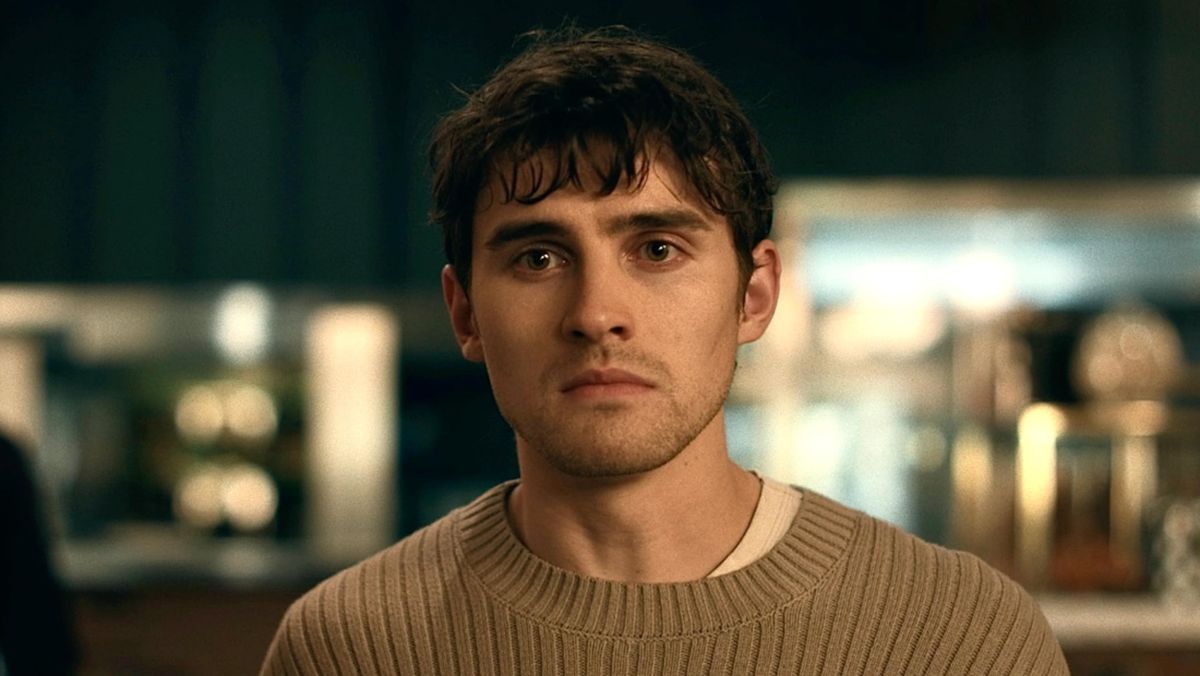
At the heart of Obsession‘s creative success is writer and director Curry Barker. A former YouTube sketch comedian, Barker brought a fresh and unconventional perspective to the horror genre. His background in digital content creation likely contributed to the film’s ability to resonate with a younger, internet-savvy audience. The inspiration for Obsession‘s unsettling narrative is notably rooted in an unexpected source: an episode of The Simpsons titled "Treehouse of Horror II." This revelation offers a glimpse into Barker’s unique creative process, blending pop culture nostalgia with a contemporary horror sensibility. His ability to translate a simple, yet chilling, premise into a feature film with such impactful results, particularly on a shoestring budget, speaks volumes about his storytelling prowess and directorial vision. The film’s cast, including Michael Johnston as Bear, Inde Navarrette as Nikki, Cooper Tomlinson, Megan Lawless, and Andy Richter, delivered performances that anchored the narrative, bringing depth and relatability to the escalating horrors.
Plot Synopsis and Core Conflict
Obsession centers on Bear (Michael Johnston), a seemingly ordinary music store employee whose life takes a dark turn after he acquires a supernatural toy. This mysterious object grants wishes, and Bear, consumed by an unrequited affection, uses it to make his friend Nikki (Inde Navarrette) fall in love with him. However, as is often the case with such supernatural interventions, the fulfillment of his desire comes with horrifying and unforeseen consequences, twisting love into something monstrous and unleashing a terrifying ordeal that blurs the lines between reality and nightmare. The film masterfully builds suspense and psychological tension, relying on atmospheric horror and character-driven dread rather than excessive gore, a hallmark of many successful modern horror films.
Broader Implications for the Film Industry
The runaway success of Obsession carries significant implications for various facets of the film industry. Firstly, it provides a powerful testament to the enduring viability and profitability of low-budget filmmaking, particularly within the horror genre. Studios and independent producers may be encouraged to greenlight more projects with lean budgets, focusing on compelling narratives and efficient production rather than relying solely on star power or CGI spectacle. This could democratize filmmaking, opening doors for new talent like Curry Barker who might otherwise struggle to secure funding for their unique visions.
Secondly, it reinforces the critical role of audience engagement and organic marketing. In an era dominated by massive marketing budgets for blockbusters, Obsession demonstrates that genuine word-of-mouth, especially amplified by social media, can be a more potent force. This might prompt a re-evaluation of marketing strategies, with a greater emphasis on cultivating early buzz and fostering community around films.
Thirdly, the film’s appeal to Gen Z highlights a lucrative, yet often misunderstood, demographic. Their preference for specific types of horror – often original, psychologically driven, and less reliant on conventional jump scares – presents a clear growth area for theatrical exhibition. This success, alongside that of Backrooms, suggests that the cinema experience remains highly attractive to younger audiences when the content genuinely resonates with their tastes and offers something distinct from their at-home viewing options.
The Blumhouse Model: A Proven Formula Amplified
Blumhouse Productions, co-founded by Jason Blum, has long been synonymous with high-profit, low-budget horror. Their business model—investing modestly in projects with strong concepts and giving creative freedom to filmmakers—has yielded numerous successes, from Paranormal Activity to Get Out. Obsession is not just another success story for Blumhouse; it represents an amplification of their proven formula. The profit margin of 537 times the budget significantly surpasses many of their previous hits, setting a new benchmark for what is achievable within this model. This further validates Blumhouse’s strategy and will likely inspire other production companies to emulate their approach, focusing on cost-effective productions with high creative potential. The collaboration with Focus Features, a distributor known for nurturing critically acclaimed films, also showcases a successful partnership model between genre specialists and prestige distributors.
Looking Ahead: The Future of Micro-Budget Blockbusters
The unprecedented triumph of Obsession is poised to influence future production and acquisition strategies across Hollywood. It may lead to an increased investment in scouting emerging talent from platforms like YouTube or independent film festivals, recognizing that compelling storytelling and fresh perspectives can originate from unconventional sources. The industry might also see a renewed focus on genre filmmaking, particularly horror, as a reliable pathway to profitability, especially when coupled with a lean budget. As the cinematic landscape continues to evolve, Obsession stands as a compelling case study, proving that with a strong concept, skilled execution, and the power of audience advocacy, even the smallest films can achieve gargantuan success and redefine what constitutes a blockbuster in the modern era. Its legacy will undoubtedly extend beyond its impressive financial figures, inspiring a new wave of filmmakers and reshaping perceptions of theatrical viability for years to come.