
Tag California State University
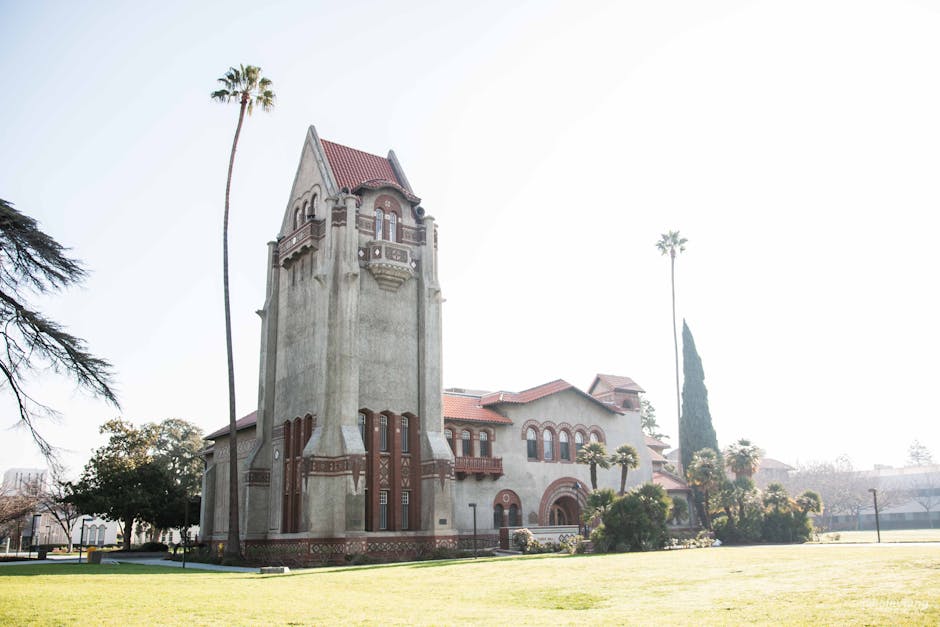
California State University: A Comprehensive Overview of the State’s Premier Public Higher Education System
The California State University (CSU) system stands as a beacon of accessible, high-quality public higher education, serving the diverse needs of the Golden State. Established in 1960, it is the largest four-year public university system in the United States, comprising 23 campuses strategically located across California. Its core mission is to provide a comprehensive, high-quality education that prepares students for success in their careers, communities, and global society. The CSU is renowned for its practical, career-focused education, emphasizing hands-on learning, internships, and research opportunities. This approach ensures graduates are not only academically prepared but also possess the skills and experience sought by employers. With a commitment to affordability and equity, the CSU plays a vital role in social mobility, offering pathways to the middle class for countless Californians. Each of its 23 campuses, while sharing a common mission, possesses a unique identity, academic strengths, and community focus, offering a wide spectrum of programs and educational experiences to cater to a broad range of student interests and career aspirations.
The academic breadth and depth offered by the CSU system are extensive, encompassing a vast array of undergraduate and graduate programs. Across its 23 campuses, students can pursue degrees in disciplines ranging from engineering, business, and nursing to liberal arts, education, and the visual and performing arts. This comprehensive offering ensures that nearly every academic and professional field is represented, allowing students to find programs that align with their passions and career goals. The CSU is particularly strong in applied fields, with a significant emphasis on programs that directly lead to employment. For example, engineering disciplines at campuses like Cal Poly San Luis Obispo are renowned for their project-based learning, preparing graduates for immediate entry into the workforce. Similarly, nursing programs across the system are vital in addressing the state’s healthcare needs, producing highly skilled and sought-after professionals. Business administration degrees, with specializations in areas like finance, marketing, and management, are consistently popular and lead to diverse career opportunities in California’s dynamic economy. Furthermore, the CSU is a leading producer of teachers for California’s K-12 schools, with its education programs consistently lauded for their quality and relevance to contemporary educational challenges. The system also offers a robust selection of graduate programs, including master’s degrees, doctor of nursing practice degrees, and a limited number of doctoral degrees, allowing students to further specialize and advance their expertise. This commitment to comprehensive academic offerings, from foundational bachelor’s degrees to advanced graduate studies, underscores the CSU’s role in meeting California’s diverse educational and workforce demands.
A cornerstone of the CSU’s educational philosophy is its unwavering commitment to experiential learning. This approach transcends traditional classroom instruction, integrating practical application and real-world experience into the curriculum. Internships, co-op programs, service-learning projects, and undergraduate research are not merely optional add-ons but integral components of many CSU programs. Campuses like San Jose State University, situated in the heart of Silicon Valley, leverage their location to provide students with unparalleled internship opportunities in the tech industry. Cal Poly Pomona’s renowned College of Agriculture students engage in hands-on farming and horticultural practices, fostering a deep understanding of agricultural science and management. The CSU’s emphasis on research, even at the undergraduate level, is significant. Students have the opportunity to work alongside faculty on cutting-edge research projects, contributing to new discoveries and gaining valuable analytical and problem-solving skills. This can range from scientific research in laboratories to humanities projects exploring societal issues. Service-learning, where students apply their academic knowledge to address community needs, is another vital element. This not only benefits the community but also provides students with a profound sense of civic engagement and a deeper understanding of the social impact of their studies. This dedication to practical, hands-on education ensures that CSU graduates are not just knowledgeable but also possess the practical skills, adaptability, and problem-solving abilities that employers actively seek, making them highly competitive in the job market and well-prepared for lifelong learning and professional growth.
The accessibility and affordability of a CSU education are fundamental to its mission and its profound impact on California. As a public institution, the CSU is dedicated to providing a high-quality education that is financially attainable for a broad spectrum of students, including those from low-income backgrounds. Tuition fees at the CSU are significantly lower than those at private universities and even the University of California (UC) system, making it a more accessible option for many Californian families. This affordability is further enhanced by a robust system of financial aid, including federal grants, state aid programs, and campus-specific scholarships. The CSU is a critical engine for social mobility, providing pathways to upward economic mobility for generations of students. By offering affordable degree programs that lead to in-demand careers, the CSU empowers individuals to improve their lives and contribute to the economic well-being of their communities. The system’s commitment to diversity and inclusion ensures that students from all walks of life feel welcome and supported, fostering an environment where everyone has the opportunity to succeed. This dedication to equitable access to higher education is a defining characteristic of the CSU and a key factor in its enduring legacy of serving the people of California. The CSU’s commitment to serving the state’s workforce needs is evident in its proactive approach to identifying and developing programs that align with current and future labor market demands.
Each of the 23 California State University campuses offers a distinct educational experience, tailored to its geographic location and its specific academic strengths. For instance, Cal Poly San Luis Obispo is globally recognized for its "learn by doing" philosophy, particularly in its engineering and agriculture programs, fostering a hands-on, project-based approach to education. Humboldt State University, nestled in the Redwood Empire, offers unique programs in natural resources, environmental science, and forestry, capitalizing on its stunning natural surroundings. San Diego State University, a large urban campus, boasts strong programs in business, international studies, and hospitality, benefiting from its proximity to Mexico and its role as a major cultural hub. California State University, Long Beach, situated in Southern California’s largest city, is known for its comprehensive liberal arts and sciences programs, as well as its strengths in design and engineering. California State University, Northridge, located in the San Fernando Valley, is a major center for education, business, and the arts, with a particular focus on serving the diverse population of the region. California State University, Fullerton, in Orange County, offers a broad range of programs with strengths in business, communications, and health sciences, reflecting the dynamic economy of its surrounding area. Sacramento State, strategically located in the state capital, provides excellent programs in public affairs, government, and education, preparing students for careers in public service. Chico State, with its vibrant campus culture in Northern California, is recognized for its strong commitment to sustainability and its programs in environmental studies, business, and arts. These are just a few examples, and each of the 23 campuses brings its own unique flavor, faculty expertise, and community connections to the CSU system, providing students with a diverse range of choices to find the best fit for their academic and personal aspirations.
The economic impact of the California State University system on the state of California is substantial and multifaceted. As a major provider of educated and skilled graduates, the CSU directly contributes to the state’s workforce development, filling critical positions across various industries. Graduates are prepared for careers in high-demand fields such as technology, healthcare, education, engineering, and business, driving innovation and economic growth. The CSU is a significant source of teachers for California’s K-12 schools, ensuring a steady supply of qualified educators who are essential for the state’s future. Furthermore, the CSU campuses themselves are economic engines within their local communities, generating employment through faculty and staff, supporting local businesses through procurement and student spending, and attracting external investment. Research conducted at CSU institutions often leads to the development of new technologies and businesses, fostering entrepreneurship and contributing to California’s reputation as a hub of innovation. The system’s commitment to applied research and technology transfer plays a crucial role in translating academic discoveries into practical applications that benefit the economy. Moreover, the CSU’s role in promoting social mobility and increasing earning potential for its graduates has a ripple effect on the state’s economy, leading to increased tax revenue and reduced reliance on social services. The CSU system’s investment in human capital is an investment in the long-term economic prosperity and competitiveness of California.
The California State University system is continually evolving to meet the changing needs of its students and the state of California. This includes a commitment to innovation in teaching and learning, with an increasing focus on online and hybrid course offerings to enhance flexibility and accessibility for students. The CSU is also actively engaged in developing new programs that address emerging industries and critical societal challenges. For example, there is a growing emphasis on programs related to artificial intelligence, cybersecurity, renewable energy, and public health, reflecting the state’s priorities and the evolving job market. Furthermore, the CSU is dedicated to fostering a diverse and inclusive learning environment, ensuring that all students have the opportunity to succeed regardless of their background. This includes initiatives to support first-generation students, students of color, veterans, and students with disabilities. The system is also committed to research and faculty development, encouraging faculty to engage in cutting-edge research and to bring their expertise into the classroom. The CSU also plays a vital role in the state’s public discourse, with faculty and students actively contributing to discussions on policy, social issues, and cultural trends. The ongoing investment in infrastructure, technology, and student support services further solidifies the CSU’s position as a leading public higher education provider. The system’s adaptability and forward-thinking approach ensure its continued relevance and impact on California for decades to come.
The California State University system’s commitment to research, while perhaps less focused on theoretical breakthroughs than some other university systems, is deeply rooted in applied scholarship and its direct benefit to California. CSU faculty are actively engaged in research that addresses pressing real-world problems, from developing sustainable agricultural practices to improving public health outcomes and creating innovative technologies. For example, faculty at Cal Poly Pomona might conduct research on drought-resistant crops, while researchers at CSU Channel Islands could be exploring solutions for marine debris. San Francisco State University hosts researchers investigating urban planning and social equity, and Stanislaus State faculty might be examining educational disparities in rural communities. This emphasis on applied research means that CSU students often have opportunities to participate in projects that have tangible impacts, gaining valuable experience in data collection, analysis, and problem-solving. Furthermore, the CSU’s research endeavors often lead to patents, new businesses, and the development of best practices that are disseminated throughout the state. The system’s numerous research centers and institutes, often focused on specific areas like environmental science, business innovation, or public policy, serve as hubs for collaboration and knowledge creation. This practical, problem-oriented approach to research ensures that the CSU is not only educating the next generation of leaders but also actively contributing to the advancement and well-being of California.