Google Unveils ‘Googlebook’ Laptop, Deepening AI Integration with Gemini Intelligence and Strategic Industry Partnerships


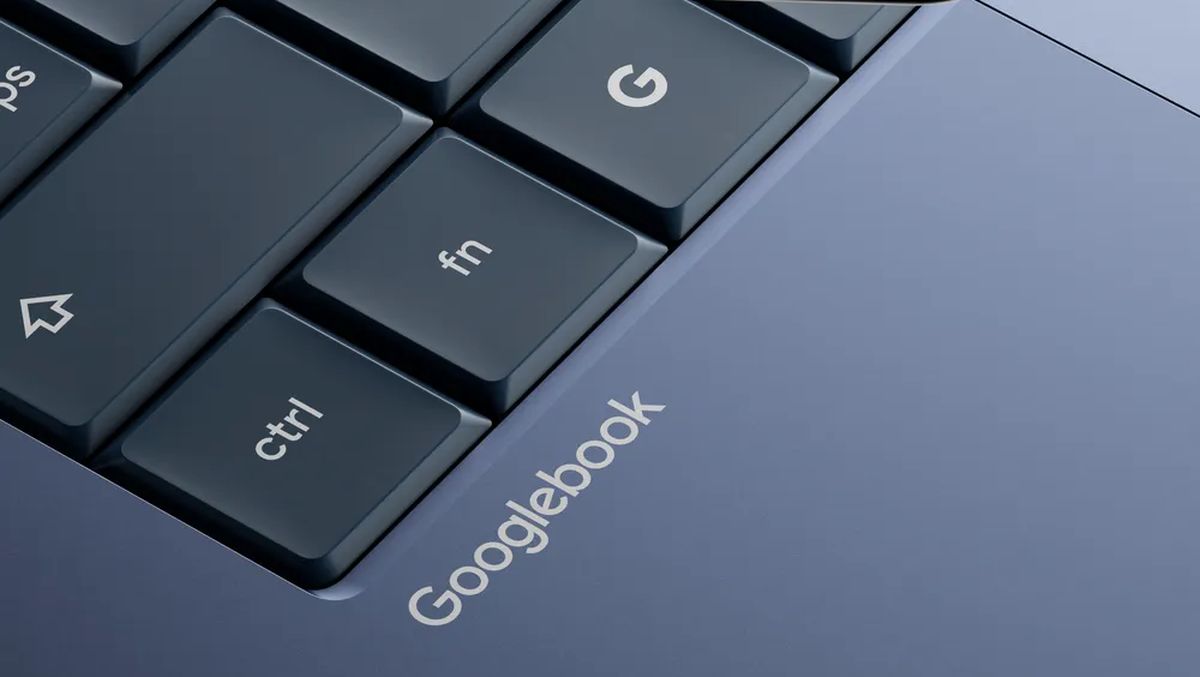
Google has officially announced a new line of laptops named "Googlebook," specifically engineered to integrate deeply with its advanced Gemini Intelligence. This new computing platform is poised to significantly diverge from the company’s existing Chromebook offerings, which are predominantly web-centric, by focusing on a more proactive and personalized AI-driven user experience directly on the device. The announcement marks a pivotal moment in Google’s hardware strategy, signaling a robust commitment to bringing cutting-edge artificial intelligence capabilities to personal computing.
Alex Kuscher, Senior Director for Laptops & Tablets at Google, elucidated the vision behind the new device in a statement released on Tuesday, May 12th. "Googlebook is the first laptop designed specifically for Gemini Intelligence, aiming to deliver personal and proactive assistance whenever and wherever you need it," Kuscher explained. This foundational design philosophy underscores a shift towards devices that not only execute tasks but intelligently anticipate user needs and provide contextual support, making the computing experience more intuitive and efficient. The move is a clear indication of Google’s ambition to carve out a significant niche in the burgeoning AI PC market, leveraging its considerable expertise in artificial intelligence and software development.
The announcement was swiftly followed by a supportive post from Intel on its official X (formerly Twitter) account on Wednesday, May 13th, confirming their pivotal role in the Googlebook project. "We are thrilled to collaborate with @Google on a project we have been developing with them – Googlebook. A premium and advanced device designed for artificial intelligence," Intel declared. The chipmaker further added, "We cannot wait to bring this product to you this fall." This confirmation from Intel highlights the strategic partnership between a leading AI software provider and a dominant hardware component manufacturer, ensuring the Googlebook will be powered by robust processing capabilities optimized for AI workloads. Intel’s involvement, particularly with its latest generation of processors featuring dedicated Neural Processing Units (NPUs), is critical for delivering the on-device AI performance that Googlebook promises.
Key Features: Redefining Interaction with AI
Kuscher offered several tantalizing glimpses into the innovative features that will define the Googlebook experience, all centered around seamless Gemini integration.
The Magic Pointer: An AI-Enhanced Cursor
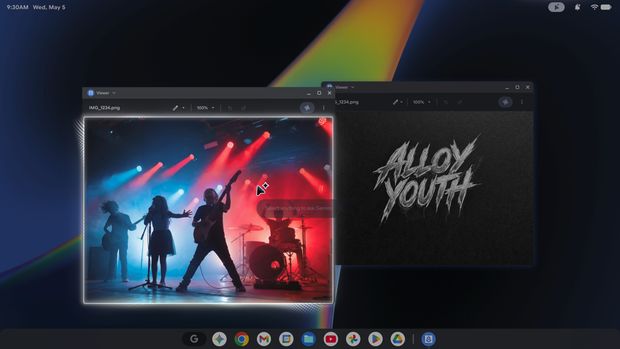
Perhaps the most revolutionary feature unveiled is the "Magic Pointer," a re-imagination of the traditional cursor. Developed in collaboration with Google DeepMind, the Magic Pointer infuses Gemini’s intelligence directly into the user’s primary interaction tool. Kuscher elaborated that this AI-powered cursor will offer swift, contextual suggestions simply by pointing at elements on the screen. For instance, hovering over a date in an email could instantly prompt options to schedule a meeting, while selecting two images, such as a living room and a new sofa, could allow users to visualize them together immediately. "This feature enables you to bring ideas to completion with just a few clicks," Kuscher emphasized, highlighting a significant leap in intuitive user interface design that aims to streamline complex tasks. This intelligent cursor represents a tangible application of AI that moves beyond voice commands or separate applications, embedding AI directly into the fundamental interaction model of the laptop.
Personalized Productivity: The "Create Your Widget" Feature
Another groundbreaking feature is "Create Your Widget," empowering users to generate custom widgets through simple commands. Gemini will leverage its vast knowledge base and access to user’s Google applications, such as Gmail and Calendar, to construct a personalized dashboard. For example, when planning a vacation, a user could command Gemini to create a widget that consolidates flight and hotel information, restaurant bookings, and even a countdown timer, all in one convenient desktop location. This level of personalization transforms the Googlebook into a truly bespoke workspace, adapting dynamically to individual needs and current tasks. This capability speaks to the broader trend of proactive AI assistants, moving from reactive responses to anticipatory support, making information retrieval and task management significantly more efficient.
A Unified Ecosystem: Android’s Influence and Multi-Device Experience
The Googlebook’s architecture is partly built upon Android technology, a strategic choice that promises to deliver a superior multi-device experience. This foundation is designed to ensure seamless productivity not just on the laptop itself, but also as users transition between their Googlebook and their mobile devices.
Seamless Workflow: Laptop-to-Phone Continuity
Kuscher illustrated this synergy with practical scenarios. Imagine a user engrossed in work on their Googlebook suddenly feeling hungry. They could effortlessly open a phone application directly on their laptop, order food, and then return to their work without interruption. Similarly, a daily language lesson reminder from Duolingo could appear, allowing the user to complete it instantly on the laptop without needing to switch to their phone. This level of integration blurs the lines between devices, fostering a continuous and fluid workflow that is increasingly vital in modern hybrid work environments. The ability to run Android apps natively, or with deep integration, could also open up a vast ecosystem of mobile applications to the laptop, further enriching its utility.
Quick Access: Bridging the Device Gap
Further enhancing multi-device capabilities is the "Quick Access" feature. This allows users to directly access files from their phone within the Googlebook’s file explorer. "With Quick Access, you can easily view, search, or insert your phone files into your laptop, without the need for transfer," Kuscher explained. This eliminates the friction often associated with transferring files between devices, simplifying content management and ensuring that important documents or media are always readily available, regardless of which Google device they originated from. This functionality is particularly appealing for users who frequently switch between their phone for quick tasks and their laptop for more intensive work, creating a truly unified digital workspace.
Strategic Collaborations: Industry Giants Unite
To bring the Googlebook to fruition, Google has forged partnerships with several leading laptop manufacturers: Acer, ASUS, Dell, HP, and Lenovo. This collaborative approach is reminiscent of Google’s successful Chromebook strategy, where various OEMs produce devices running Google’s operating system. By collaborating with these established players, Google can ensure a broad market reach, diverse hardware options, and leverage the manufacturing expertise of companies known for quality and innovation in the PC space. These partnerships are crucial for scaling production and offering a range of Googlebook models to cater to different user needs and price points. Each partner brings its unique design philosophy and market segment strength, which will likely result in a varied portfolio of Googlebook devices, from ultra-portable models to more performance-oriented machines. This strategy also helps Google avoid the challenges of being solely a hardware manufacturer, allowing them to focus on the software and AI experience while relying on partners for the physical product.
The AI PC Landscape: Google’s Ambitious Entry
Googlebook’s entry comes at a time when the personal computing industry is undergoing a significant transformation, driven by the rapid advancements in artificial intelligence. The concept of an "AI PC" — a computer specifically designed with dedicated hardware (like NPUs) and software to accelerate AI tasks on-device — is quickly gaining traction.
Context of AI in Computing
For years, AI has primarily resided in the cloud, processing data remotely. However, the push for on-device AI offers several advantages: enhanced privacy (data doesn’t leave the device), lower latency (faster responses), and the ability to function offline. This shift is enabling new classes of applications, from real-time language translation and advanced image editing to personalized user experiences like those promised by Googlebook’s Magic Pointer and custom widgets. Industry analysts project substantial growth in the AI PC market, with some forecasts suggesting that AI-powered devices could account for a significant portion of all PC shipments within the next few years, reflecting a fundamental change in how users interact with their computers.
Competitive Environment: Microsoft, Apple, and Beyond
Google’s foray into the dedicated AI laptop space places it in direct competition with established giants. Microsoft has recently unveiled its "Copilot+ PCs," a new category of Windows laptops deeply integrated with its Copilot AI assistant and powered by ARM-based Snapdragon X Elite processors, promising exceptional AI performance and battery life. Apple, too, has been aggressively integrating AI into its macOS and iOS platforms, leveraging its powerful M-series chips to deliver on-device AI capabilities across its product lineup. Other players, including various PC manufacturers, are also incorporating AI features into their premium laptop lines. Googlebook, with its unique Gemini-centric approach and Android foundation, aims to differentiate itself by offering a truly Google-native AI experience that leverages its comprehensive ecosystem. The success of Googlebook will depend on its ability to offer a compelling and uniquely useful set of AI features that resonate with consumers, distinguishing itself from the increasingly crowded AI PC market.
Google’s Evolving Hardware Strategy
The introduction of Googlebook represents a significant evolution in Google’s hardware strategy, building upon its previous ventures while charting a new course.
From Chromebooks to Googlebook
Google’s most prominent laptop offering to date has been the Chromebook, which runs on Chrome OS and emphasizes cloud-based productivity, simplicity, and affordability. While successful in education and certain consumer segments, Chromebooks have generally not competed directly with high-end Windows or macOS laptops in terms of raw power or complex software capabilities. The Pixelbook line, Google’s attempt at premium Chromebooks, offered a glimpse into more sophisticated hardware but remained constrained by Chrome OS’s web-first paradigm. Googlebook appears to be a distinct product line, potentially running a new operating system or a heavily modified version of Android or Chrome OS, specifically optimized for Gemini Intelligence and local AI processing. This suggests Google is moving beyond a purely cloud-centric computing model for its premium devices, embracing the power of on-device AI.
Leveraging Gemini for Differentiated Experience
The core differentiator of Googlebook is its deep integration with Gemini Intelligence. Gemini, Google’s most advanced and capable AI model, is designed to be multimodal, understanding and operating across text, images, audio, and video. By embedding Gemini at the operating system level, Google aims to create a laptop that is inherently intelligent, personalized, and proactive. This approach promises a more intuitive and helpful user experience, moving beyond traditional application-centric computing towards an AI-first paradigm where the system actively assists the user. This strategic pivot highlights Google’s commitment to AI as the future of computing, positioning Gemini as the central nervous system of its next-generation hardware.
Market Implications and Future Outlook
The launch of Googlebook carries significant implications for the broader laptop market, consumers, and developers.
Potential Impact on Consumers and Developers
For consumers, Googlebook offers the promise of a highly personalized and efficient computing experience, powered by state-of-the-art AI. The Magic Pointer and "Create Your Widget" features, along with seamless multi-device integration, could redefine productivity and user interaction. However, market adoption will depend on competitive pricing, robust performance, and the maturity of the Gemini ecosystem. For developers, the introduction of a new AI-centric platform presents both opportunities and challenges. They will need to adapt their applications to leverage Gemini’s capabilities and potentially develop for a new operating system environment. The success of Googlebook will hinge on fostering a vibrant software ecosystem that can fully exploit its AI potential, much like how Android and Chrome OS have benefited from their respective app stores.
Challenges and Opportunities
Googlebook faces several challenges, including establishing itself in a highly competitive market dominated by Windows and macOS, educating consumers about its unique value proposition, and ensuring that its AI features live up to the hype. Pricing will also be a critical factor, as "premium and advanced" often implies a higher cost. However, the opportunities are substantial. If Google can deliver on its promise of a truly intelligent and seamless computing experience, Googlebook could capture a significant share of the evolving AI PC market. Its deep integration with Google’s services, coupled with Intel’s powerful hardware, positions it as a formidable contender. The ability to bridge the gap between laptop and phone, leveraging the vast Android ecosystem, could also attract a large user base already invested in Google’s mobile platforms.
In conclusion, the Googlebook represents a bold new chapter in Google’s hardware journey, signaling an aggressive push into the AI PC landscape. By designing a laptop specifically for Gemini Intelligence and partnering with industry leaders like Intel and major OEMs, Google is poised to deliver a computing experience that prioritizes personalization, proactive assistance, and seamless multi-device integration. As the industry eagerly anticipates its "fall" debut, the Googlebook stands as a testament to the transformative power of artificial intelligence in shaping the future of personal technology.
Related posts: