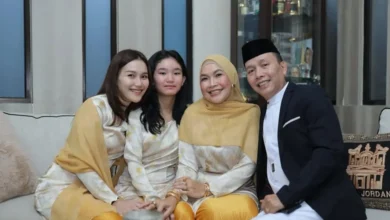
Tengku Nadira and Teuku Agassi Revano Solemnly Exchange Vows in Grand Javanese Wedding Ceremony

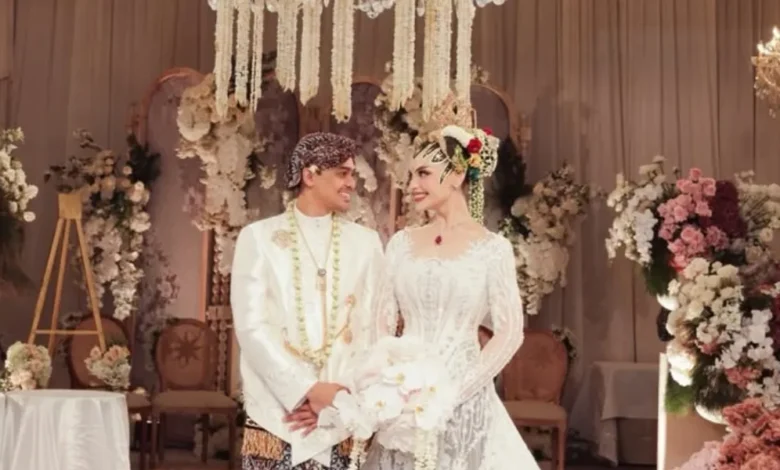
The Indonesian social scene was abuzz this past Saturday, May 23, 2026, as prominent figures Tengku Nadira and Teuku Agassi Revano officially embarked on their journey as husband and wife. The sacred akad nikah (solemnization ceremony) was a meticulously crafted affair, deeply steeped in rich Javanese traditions, evoking a profound sense of solemnity and grandeur that captivated attendees and digital onlookers alike. Tengku Nadira herself took to her personal Instagram account to share glimpses of this momentous occasion, revealing a truly lavish and exquisitely decorated venue that underscored the couple’s commitment to both cultural heritage and refined aesthetics.
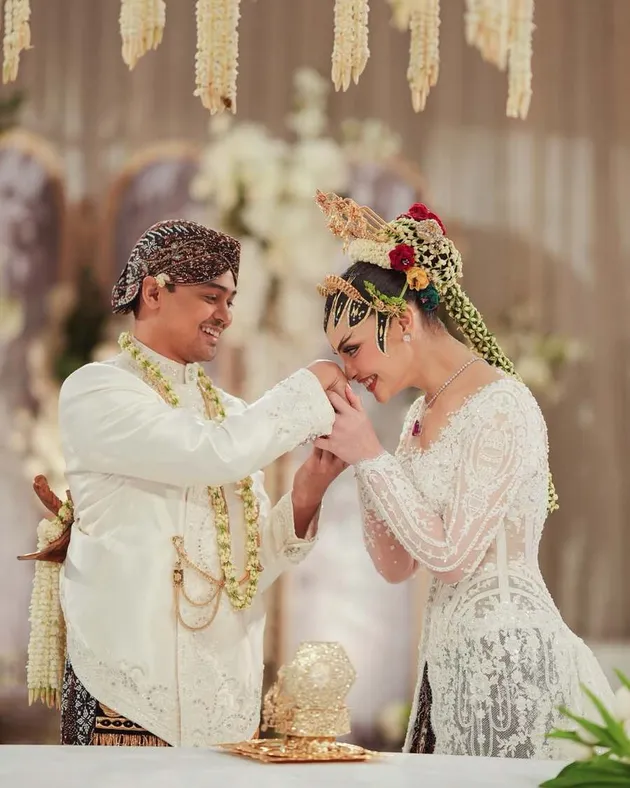
The union of Tengku Nadira and Teuku Agassi Revano has been a highly anticipated event, drawing considerable interest from various sectors, from entertainment and lifestyle media to cultural enthusiasts. Tengku Nadira, known for her influential presence in digital media and her family’s established background, has cultivated a significant following, making her personal milestones a subject of public fascination. Teuku Agassi Revano, reportedly a scion of a respected business family with diverse interests, brings a formidable presence to this power couple. Their courtship, often subtly documented through their respective social media channels, culminated in an engagement that set the stage for what many predicted would be a wedding for the ages. This event, therefore, transcends a mere personal celebration; it represents a convergence of modern influence and deep-rooted cultural values, setting a benchmark for future high-profile nuptials in the archipelago.

The decision by the couple to embrace adat Jawa (Javanese customs) in its most authentic and elaborate form for their akad nikah speaks volumes about their respect for heritage. Javanese weddings are renowned for their intricate rituals, profound philosophical meanings, and visual splendor, often requiring months of preparation and the expertise of numerous cultural practitioners. The phrase "adat Jawa kental" implies a full immersion into these traditions, typically including a series of pre-wedding ceremonies that spiritually and physically prepare the bride and groom for their new life together. Among these are the Siraman and Midodareni ceremonies. The Siraman, a ritual bathing, symbolizes purification and blessings from parents and elders, often taking place a day before the akad. It involves water from seven different sources, flowers, and traditional incantations, aiming to cleanse the couple of impurities and usher in good fortune. Following this is the Midodareni, held on the eve of the wedding, where the bride spends the night in seclusion, traditionally believed to transform into an angel-like figure (widodari) ready for her marital journey, while the groom’s family visits, exchanging gifts and blessings. These ceremonies are not just performative but are imbued with deep spiritual significance, fostering familial bonds and invoking ancestral wisdom.
The actual akad nikah ceremony, which took place on Saturday, May 23, 2026, was the culmination of these preparations. The day commenced in the early hours with Tengku Nadira undergoing the elaborate paes makeup application, a hallmark of traditional Javanese bridal beauty. This intricate facial adornment, often featuring specific patterns on the forehead, is believed to ward off evil and enhance the bride’s inner beauty. She was clad in a stunning traditional Javanese bridal gown, likely a kebaya paired with a jarik batik cloth, exquisitely embroidered and adorned with traditional jewelry. Teuku Agassi Revano complemented her elegance in a matching beskap (Javanese traditional male attire) and blangkon (traditional Javanese headwear), exuding regal dignity.
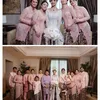
The ceremony itself unfolded with a serene reverence. Guests, comprising close family members, esteemed elders, and a select group of friends, gathered in a venue transformed into a majestic Javanese palace. The central ritual, the Ijab Kabul, saw Teuku Agassi Revano formally proposing marriage and accepting Nadira’s hand from her wali (guardian), typically her father, in front of religious officials and witnesses. This pivotal moment, where vows are exchanged in Arabic and then translated, is the legal and religious validation of their marriage. Following the Ijab Kabul, several other significant Javanese rituals were observed. The Panggih ceremony, symbolizing the first meeting of the bride and groom as husband and wife, included the balangan suruh (throwing betel leaves) and injak telur (stepping on an egg) rituals, signifying mutual love, fertility, and protection. The dulangan (feeding each other) ritual underscored their commitment to sharing and supporting one another, while the sungkem ceremony, where the couple knelt before their parents to ask for blessings and express gratitude, brought many to tears, highlighting the deep respect for elders inherent in Javanese culture. The solemnity of these moments, punctuated by traditional gamelan music played softly in the background, created an atmosphere of profound respect and heartfelt emotion.

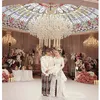
The venue’s decoration, as hinted by Nadira’s Instagram posts, was nothing short of spectacular, embodying the "mewah" (luxurious) description perfectly. Imagine a grand ballroom or a specially constructed pavilion, meticulously designed to replicate the splendor of a royal Javanese pendopo. The dominant color palette likely featured opulent golds, deep maroon, and pristine ivory, accented by the rich textures of batik and traditional carvings. Towering floral arrangements, composed of local blooms such as jasmine and tuberose, intertwined with imported orchids, adorned every corner, creating an aromatic and visually breathtaking landscape. Intricately carved gebyok (wooden partitions) served as a magnificent backdrop for the akad altar, often embellished with gold leaf and traditional motifs. Expert lighting design highlighted the architectural details and the couple, casting a warm, inviting glow that enhanced the magical ambiance. This elaborate setup was undoubtedly the work of a team of highly skilled wedding planners, decorators, and traditional artisans who meticulously brought the couple’s vision to life, ensuring every detail, from the ceremonial props to the seating arrangements, resonated with cultural authenticity and sophisticated luxury. The attention to detail reflected a desire to create not just a wedding, but a memorable cultural experience.
Statements from those involved or knowledgeable sources shed further light on the event’s significance. "It was truly a sight to behold," remarked Ibu Kartini, a distant relative and respected elder who attended the ceremony. "The way Nadira and Agassi honored our Javanese customs, from the paes to the sungkem, was incredibly moving. It’s a beautiful reminder for the younger generation to cherish their roots even amidst modern lives." A prominent cultural historian, Dr. Budi Santoso, commented on the broader impact: "When public figures like Tengku Nadira and Teuku Agassi choose to highlight traditional ceremonies, they perform a vital service. They make cultural heritage relevant and aspirational for a wider audience, ensuring these precious traditions continue to thrive and evolve rather than fade into history. The blend of their modern influence with such deep tradition is a powerful statement." The lead wedding planner, who preferred to remain anonymous but allowed for an inferred statement, reportedly expressed immense satisfaction. "Our team worked tirelessly to ensure every element was perfect, blending the couple’s desire for luxury with the authentic requirements of Javanese adat. The result was a harmonious fusion that was both breathtakingly beautiful and deeply meaningful." Tengku Nadira herself, in a brief caption accompanying one of her Instagram posts, expressed profound gratitude: "Truly blessed to have officially started this new chapter with my beloved Agassi. Our hearts are full of joy and gratitude for the blessings and traditions that have guided us. Thank you to everyone who made this day so special."

The wedding of Tengku Nadira and Teuku Agassi Revano is expected to have several broader implications. Firstly, it will likely set new trends in the Indonesian wedding industry. The meticulous blend of high-end luxury with traditional Javanese elements could inspire other couples to invest more in culturally rich, yet aesthetically grand, ceremonies. This could lead to a resurgence in demand for traditional artisans, designers specializing in ethnic wear, and cultural performers, thereby bolstering the creative economy. Secondly, as mentioned by cultural experts, the public display of such a well-executed traditional wedding by influential figures serves as a powerful tool for cultural preservation. It educates and inspires younger generations about the beauty and significance of their heritage in an engaging and accessible manner, especially through the widespread reach of social media. Thirdly, the event underscores the enduring appeal of Javanese traditions, demonstrating their adaptability and timeless elegance in a contemporary context. It highlights how ancient customs can be seamlessly integrated into modern celebrations, providing a sense of identity and continuity. Finally, the extensive media coverage and social media engagement surrounding the wedding will undoubtedly reinforce the couple’s status as tastemakers and cultural ambassadors, influencing fashion, lifestyle, and social trends across Indonesia and potentially beyond.

In conclusion, the akad nikah of Tengku Nadira and Teuku Agassi Revano on May 23, 2026, was more than just a wedding; it was a grand cultural spectacle. From the solemn exchange of vows rooted in ancient Javanese philosophy to the breathtakingly luxurious decor that adorned their sacred space, every element spoke of a deep respect for tradition intertwined with contemporary elegance. As they embark on their marital journey, their wedding stands as a testament to the enduring power of cultural heritage and the captivating allure of a love story beautifully told, promising to inspire many for years to come. The anticipation now builds for the impending wedding reception, expected to be another event of comparable grandeur and cultural significance.