Ayu Ting Ting and Family Share Heartwarming Eid al-Adha Celebration, Baby Qaysar Steals the Spotlight

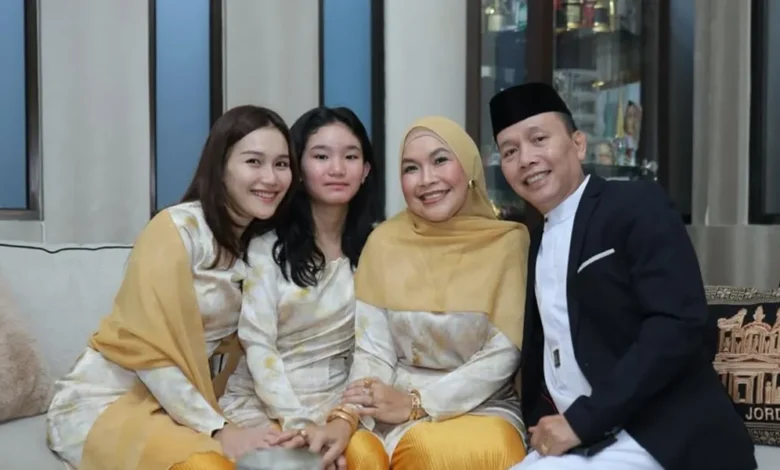
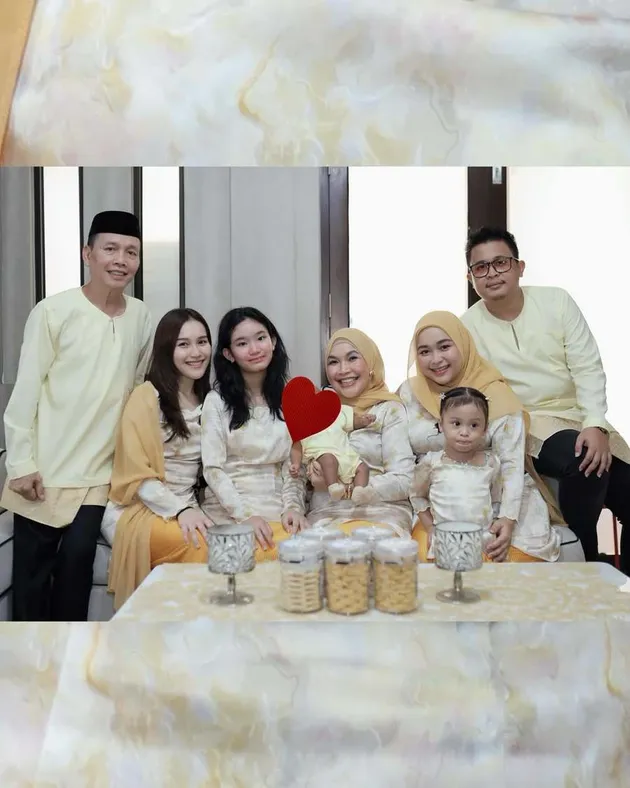
The annual observance of Eid al-Adha, a profoundly significant occasion for Muslims worldwide, once again brought forth a wave of communal joy, reflection, and family togetherness across Indonesia. Among the many families partaking in the festive spirit, that of prominent Indonesian singer and television personality Ayu Ting Ting captured particular public attention. The beloved celebrity, known for her vibrant personality and strong family values, shared intimate glimpses of her family’s celebration, distinguished by their coordinated festive attire. What truly captivated netizens, however, was the delightful inclusion of her youngest child, baby Qaysar, who, in his matching ensemble, became an instant online sensation, symbolizing the pure joy and unity of the occasion. The images, widely circulated on social media platforms, underscored the enduring appeal of family solidarity and traditional celebration in the digital age.
The Enduring Significance of Eid al-Adha in Indonesia

Eid al-Adha, often referred to as the "Festival of Sacrifice," is one of the two most important Islamic holidays. It commemorates Prophet Ibrahim’s (Abraham’s) unwavering faith and willingness to sacrifice his son Ismail (Ishmael) as an act of obedience to God, before God intervened and provided a ram as a substitute. This profound story of devotion, submission, and divine mercy is central to the celebration. In Indonesia, a nation with the world’s largest Muslim population, Eid al-Adha is observed with immense reverence and enthusiasm. The day typically begins with congregational Eid prayers held in mosques, musallas (prayer rooms), or open fields, drawing millions of worshippers. Following prayers, the central ritual of Qurban (sacrifice) takes place, where livestock such as cows, goats, and sheep are ritually slaughtered. The meat is then meticulously distributed, with a significant portion allocated to the less fortunate, embodying the spirit of charity, compassion, and community sharing that defines the holiday.
Beyond the religious rites, Eid al-Adha is a time for deep family bonding. Homes are adorned, special festive meals are prepared, and families gather, often traveling long distances for silaturahmi (visiting relatives) and strengthening familial ties. It’s a period marked by gratitude, forgiveness, and reinforcing communal bonds. For public figures like Ayu Ting Ting, whose lives are often under intense scrutiny, these holidays offer a chance to share personal moments of tradition and joy, further cementing their connection with their vast fanbase. The public’s keen interest in how celebrities observe these holidays reflects a broader cultural appreciation for tradition and community.

Ayu Ting Ting: A Public Figure Embracing Family and Tradition

Ayu Ting Ting has established herself as one of Indonesia’s most recognizable and influential entertainment figures. Rising to fame as a dangdut singer, she has successfully diversified her career to include acting, presenting, and comedy, becoming a staple on Indonesian television. Throughout her journey, Ayu has consistently projected an image of a devoted daughter and mother, a narrative that deeply resonates with the Indonesian public’s strong emphasis on family values. Her personal life, particularly her relationship with her parents, siblings, and her daughter Bilqis Khumairah Razak, has been a constant source of public interest and affection.
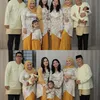
The recent addition of baby Qaysar to her family (born sometime in late 2025 or early 2026, making him a true "baby" at the time of this May 2026 celebration) has only amplified this public fascination. His arrival marked a new chapter for Ayu, further solidifying her role as a matriarch figure and expanding her already close-knit family. For many fans, seeing Ayu embrace motherhood with such visible joy and dedication, especially during significant cultural events, offers a relatable and inspiring perspective. Her family’s consistent portrayal of harmony and togetherness, often showcased through their social media, serves as a testament to their strong bonds, making their holiday celebrations particularly anticipated by her millions of followers.

The Chronology of a Heartwarming Celebration

While the original report provided a snapshot, a plausible chronology of Ayu Ting Ting’s Eid al-Adha celebration in May 2026 would likely unfold as follows:

- Pre-Eid Preparations (Days leading up to May 27, 2026): Like most Indonesian families, Ayu and her family would have engaged in various preparations. This typically includes extensive shopping for new clothes, especially the coordinated outfits that have become a hallmark of their celebrations. Food preparations would also be underway, with traditional Eid delicacies being planned and cooked. Donations for Qurban animals would have been arranged, either directly purchasing livestock or contributing to communal sacrifice committees. The family home would have been meticulously cleaned and decorated to welcome the auspicious day.
- The Dawn of Eid al-Adha (May 27, 2026, Early Morning): The day would have commenced before sunrise with the family waking up early for takbir recitations, praising Allah. They would perform their ablutions and don their chosen festive attire. The coordinated outfits, a mix of traditional and modern modest wear, would have been carefully selected to reflect unity and elegance.
- Eid Prayers (May 27, 2026, Morning): Ayu, along with her parents, siblings, daughter Bilqis, and other family members, would have either attended communal Eid prayers at a local mosque or a designated prayer field, or perhaps performed prayers together at home, a practice common for celebrities seeking privacy or for families with very young children. Baby Qaysar, due to his tender age, would likely have remained at home or accompanied by close relatives to the prayer venue if suitable.
- Post-Prayer Gathering and Feast (May 27, 2026, Late Morning): Following prayers, the family would reconvene at home for a special Eid breakfast. This meal, often featuring traditional Indonesian dishes like ketupat (rice cakes), opor ayam (chicken in coconut milk), and sambal goreng ati (spicy fried liver), is a central part of the celebration. It’s a time for shared blessings and enjoying food prepared with love.
- The Qurban Ritual (May 27, 2026, Mid-day): While not directly depicted in the brief news snippet, it is highly probable that Ayu’s family, in line with Islamic tradition and their social standing, participated in the Qurban ritual. This could involve personally overseeing the sacrifice of an animal at a local facility or entrusting their donation to a mosque or charity organization for distribution to the needy. This act of charity is a cornerstone of Eid al-Adha.
- Family Photoshoot and Social Media Sharing (May 27, 2026, Afternoon): The highlight for many fans, and the basis of the news article, would be the family photoshoot. Dressed in their matching outfits, the family would pose for a series of photographs. These carefully curated images, capturing moments of joy, unity, and affection, are then promptly shared on Ayu Ting Ting’s official Instagram account, allowing her millions of followers to partake in their celebration. The inclusion of baby Qaysar in his adorable matching outfit would undoubtedly be the focal point of these images.
- Visiting and Receiving Guests (May 27, 2026, Afternoon/Evening): The remainder of the day would be dedicated to silaturahmi. The family would likely visit close relatives and friends, exchanging greetings and blessings. Conversely, their home would also be open to guests, creating a vibrant atmosphere of camaraderie and festive cheer. These interactions further reinforce the communal and social aspects of Eid al-Adha.
The Allure of Matching Outfits: A Cultural and Celebrity Trend

The phenomenon of families wearing matching outfits, or baju seragaman, during major holidays like Eid al-Fitr and Eid al-Adha is deeply ingrained in Indonesian culture. It symbolizes unity, solidarity, and a collective celebration of the festive occasion. For celebrities, this trend takes on an added dimension, serving as a powerful visual statement that resonates with their audience.

Ayu Ting Ting’s family, known for their consistent display of unity, often embraces this tradition. The choice of matching attire for this Eid al-Adha celebration was particularly effective in drawing public attention. While the specific details of the fabric, color, or design were not explicitly mentioned, it can be inferred that the outfits were modest, elegant, and likely incorporated traditional Indonesian elements or contemporary modest fashion trends. Popular choices often include muted pastels, classic whites, or vibrant jewel tones, often adorned with intricate embroidery or subtle patterns. The cohesive aesthetic of the entire family, from Ayu’s parents to her children, creates a visually appealing narrative of togetherness that translates exceptionally well into social media content.
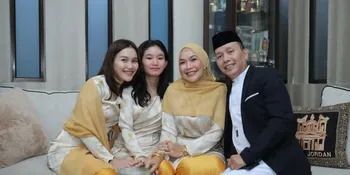
The most endearing aspect of this year’s ensemble was undoubtedly baby Qaysar’s miniature version of the family’s attire. The sight of an infant dressed identically to his celebrity family members evokes a strong emotional response from the public. It signifies his full integration into the family’s traditions and public persona from a very young age, adding an extra layer of "cuteness factor" that significantly boosts engagement on social media. This strategic (or perhaps naturally occurring) detail transforms a simple family photo into a viral moment, enhancing Ayu Ting Ting’s image as a loving mother and her family as an aspirational unit.

Public and Online Reactions: A Wave of Adoration

The immediate aftermath of Ayu Ting Ting sharing her Eid al-Adha photos on Instagram was a predictable surge of positive reactions. Within minutes of posting, her social media feeds would have been inundated with likes, comments, and shares. Netizens, particularly her loyal fanbase, expressed overwhelming adoration for the family’s harmonious display.

Typical comments would include:
- "So beautiful and compact! Eid Mubarak, Ayu and family!"
- "Baby Qaysar is so adorable in his matching outfit! So cute!"
- "Such a lovely family. May Allah bless your togetherness."
- "Family goals! Always inspiring to see your unity."
- "The outfits are stunning! Where did you get them?"
The inclusion of baby Qaysar specifically triggered a wave of affectionate remarks, with many users highlighting his charm and how he perfectly completed the family picture. This collective online sentiment reinforces the power of celebrity influence in shaping public perception and setting trends, not just in fashion but also in embodying cherished family values. The informal "statements" from fans, through their comments, collectively form a powerful endorsement of Ayu Ting Ting’s public image.

Inferred Statements and Expert Perspectives

While no direct quotes from Ayu Ting Ting were provided in the original snippet, her social media post would undoubtedly have been accompanied by a heartfelt caption. It would likely express gratitude for the blessings of Eid al-Adha, emphasizing the importance of family, faith, and togetherness. A typical caption might read: "Eid al-Adha Mubarak from our family to yours! May this blessed day bring peace, joy, and countless blessings. So grateful for these precious moments with my beloved family, especially with our little Qaysar completing our seragaman this year. Taqabbalallahu Minna Wa Minkum." Such a message would resonate deeply with her audience, reinforcing her authenticity and connection to traditional values.

From a broader perspective, a plausible analysis from a cultural or celebrity branding expert might highlight the strategic value of such public displays. For instance, Dr. Indah Sari, a hypothetical Professor of Media Studies specializing in Indonesian pop culture, might comment: "Ayu Ting Ting’s Eid al-Adha post is a masterclass in celebrity branding. By sharing these intimate yet polished family moments, especially with the adorable baby Qaysar in matching attire, she reinforces her image as a family-oriented, traditional, and relatable figure. It creates a sense of aspiration and connection among her audience, who see her celebrating in a way that mirrors their own cultural practices, albeit on a grander scale. These posts are not just personal updates; they are cultural affirmations that strengthen her public bond."

Broader Implications and Cultural Resonance

The public’s enthusiastic response to Ayu Ting Ting’s Eid al-Adha celebration, particularly the focus on her family’s unity and baby Qaysar, reflects several broader cultural and social implications:

- The Power of Family in Indonesian Society: The enduring emphasis on family cohesion and intergenerational bonds remains a cornerstone of Indonesian culture. Celebrity families who openly showcase their unity, especially during holidays, resonate deeply with these societal values and often become role models for many.
- Celebrity as Cultural Influencer: Public figures like Ayu Ting Ting play a significant role in shaping and reflecting cultural trends. Their holiday fashion choices, family traditions, and even their choice of words in social media captions influence millions, often setting new benchmarks for festive celebrations.
- The Blending of Tradition and Modernity: The Eid celebration, while deeply traditional, is presented through modern mediums like Instagram. This exemplifies how Indonesian society seamlessly integrates ancient customs with contemporary digital communication, allowing for wider sharing and participation in cultural moments. The carefully choreographed family photoshoot is a modern touch to a timeless tradition.
- The "Awww Factor" and Emotional Connection: The undeniable cuteness of baby Qaysar in a matching outfit creates an emotional connection with the audience. This "awww factor" is a powerful tool in social media engagement, fostering positive sentiment and reinforcing the celebrity’s wholesome image.
- Inspiration for "Family Goals": For many fans, Ayu Ting Ting’s family represents "family goals" – an ideal of harmony, love, and togetherness. These festive posts contribute to this perception, inspiring others to strive for similar family bonds and celebratory practices.
In conclusion, Ayu Ting Ting’s Eid al-Adha celebration in May 2026, highlighted by her family’s coordinated outfits and the charming presence of baby Qaysar, transcended a mere personal update. It served as a vibrant reaffirmation of enduring Islamic traditions, Indonesian cultural values, and the profound power of family unity. As millions across the archipelago observed the Festival of Sacrifice, Ayu Ting Ting’s shared moments offered a heartwarming, relatable, and inspiring glimpse into a celebrity family embracing their faith and heritage with joy and togetherness, further solidifying her place as a beloved figure who embodies the spirit of her nation.