Muay Thai: The Art of Eight Limbs Set to Captivate SEA Games 2025 with Its Rich History and Distinctive Combat Style

Jakarta, Indonesia – As anticipation builds for the Southeast Asian Games (SEA Games) 2025, the inclusion of Muay Thai as a featured sport promises to bring the electrifying "Art of Eight Limbs" to a wider regional audience. While often superficially compared to Western boxing due to its presence in a ring and the use of gloves, Muay Thai boasts a unique heritage, a distinct set of techniques, and a profound philosophical underpinnings that set it apart. This ancient martial art, originating from Thailand, is poised to showcase its dynamic prowess and rich cultural significance on the prestigious SEA Games stage.
Understanding Muay Thai: Beyond the Boxing Comparison
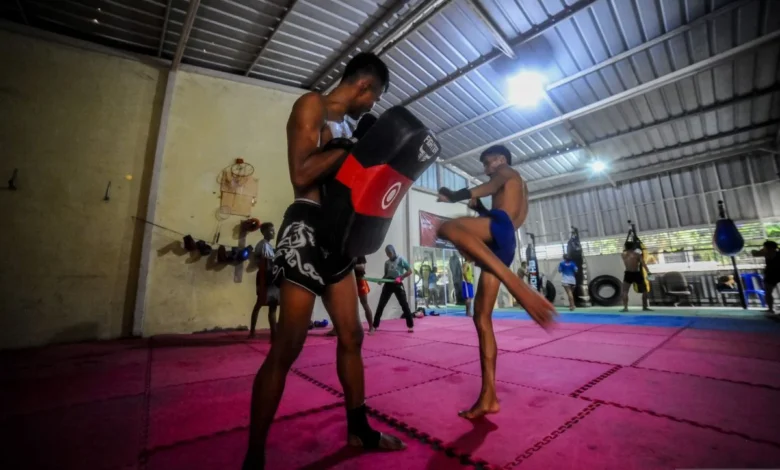
At its core, the name "Muay Thai" itself reveals its essence: "Muay" translates to "boxing" or "art of combat," and "Thai" signifies its origin. Thus, Muay Thai is essentially "Thai boxing." However, this designation hardly scratches the surface of its complexity. The sport is widely recognized as "The Art of Eight Limbs" because it strategically employs eight points of contact for offense and defense: two fists, two elbows, two knees, and two shins/feet. This fundamental difference immediately distinguishes it from conventional boxing, which relies solely on punches.
In Muay Thai, the combatants engage in a standing fight, utilizing a comprehensive arsenal that includes powerful kicks, devastating knee strikes, sharp elbow blows, and the strategic use of the "clinch." The clinch, a close-quarters grappling scenario, is a crucial element where fighters can employ knees and elbows to their opponent’s body and head, creating a unique dynamic of control and attack. Unlike some other martial arts, ground fighting, takedowns, or submissions are not permitted in Muay Thai. The fight remains an upright spectacle of striking.
The philosophy behind Muay Thai is deeply rooted in its historical context. Each movement is said to emulate the weaponry of ancient Siamese warriors. The fists are likened to swords, the elbows to daggers, the knees to maces or axes, and the shins and feet to the powerful thrusts of spears or the crushing force of an axe. This metaphorical connection imbues each strike with a sense of purpose and historical weight, reflecting a tradition of martial efficacy and self-preservation.
A Glimpse into the Storied Past of Muay Thai
The origins of Muay Thai are shrouded in legend and historical accounts, with its roots believed to trace back to the 13th century. It emerged as a vital form of self-defense for Siamese soldiers during times of conflict, particularly when they were disarmed or faced overwhelming odds on the battlefield. The battlefield efficacy of Muay Thai was paramount, and while some of its more brutal techniques, such as targeting joints or the back of the head, have been refined or eliminated from modern sport rules for safety reasons, the core principles of devastating strikes remain.
The art form was not confined to the military; it permeated various strata of Thai society, including the royal court. Historical records indicate that the first king of the Sukhothai Kingdom, King Phokhun Sri In Tharatit, recognized the importance of Muay Thai, sending his son to learn the discipline not only for physical prowess but also for character development. This emphasis on discipline, respect, and mental fortitude has remained a cornerstone of Muay Thai training and philosophy.
A pivotal moment in the sport’s evolution came around the 1930s when modern rules and structures began to be codified. Influenced by international boxing, Muay Thai adopted standardized gloves and a round-based fighting system, making it more accessible and comprehensible to a global audience. This period marked a significant step towards professionalizing the sport and preparing it for international competition.
The establishment of the International Federation of Muaythai Associations (IFMA) in 1993 was a landmark event, providing a unified governing body and paving the way for global championships and broader recognition. IFMA has been instrumental in promoting Muay Thai as a legitimate international sport, advocating for its inclusion in major multi-sport events like the SEA Games.
The legendary tale of Nai Khanom Tom, a 16th-century Siamese warrior captured by the Burmese Konbaung Dynasty, further solidifies Muay Thai’s place in national folklore. According to legend, Nai Khanom Tom, while imprisoned, was challenged to a series of unarmed combat matches against Burmese champions. His alleged victories, achieved through his masterful Muay Thai techniques, not only secured his freedom but also cemented the art’s reputation for unparalleled effectiveness and resilience. This narrative continues to inspire practitioners and audiences alike.
Today, Muay Thai is a celebrated part of Thailand’s cultural identity, with matches drawing large crowds and significant tourist interest. Its accessibility, with training methods adaptable for beginners and seasoned athletes alike, has contributed to its widespread appeal across different age groups.
Distinguishing Muay Thai from Boxing: A Deeper Dive
While the visual similarities of fighters in a ring wearing gloves might lead to easy comparisons with boxing, the differences between Muay Thai and boxing are profound and multifaceted, impacting everything from the techniques employed to the fundamental approach to combat.
1. The Arsenal of Strikes: Eight Limbs vs. Two Fists
The most evident distinction lies in the sheer variety of offensive tools. Muay Thai, as the "Art of Eight Limbs," utilizes punches, elbows, knees, and kicks, along with sweeps and light throws from the clinch. The clinch itself is a significant phase of combat where fighters can grapple for control and deliver targeted knee and elbow strikes until the referee intervenes.
Boxing, in contrast, is exclusively a punching art. The combatants’ hands are their only weapons. When boxers engage in a clinch, the referee typically separates them quickly to maintain the flow of the boxing match, preventing prolonged grappling or the use of other strikes. This fundamental difference in the permitted arsenal dictates vastly different strategies and skill sets.
2. The Nuances of Punching Technique
While Muay Thai incorporates punches, its boxing techniques are not as singularly refined as in Western boxing. This is a deliberate trade-off. Boxers dedicate their entire training regimen to perfecting the mechanics of punching – the rotational power generated from the hips, intricate footwork for evasion and engagement, and the precision of delivering blows. This focus results in a highly developed punching arsenal.
Muay Thai practitioners, however, must be proficient in seamlessly transitioning between striking disciplines. A fighter might throw a punch, then immediately follow with a devastating knee, a powerful kick, or an elbow strike. This ability to switch between different attack vectors requires a broader range of skills and a different type of conditioning, where the focus is on versatility and rapid adaptation rather than the specialized mastery of a single striking method.
3. Stance and Footwork: Stability vs. Agility
The stances adopted by Muay Thai fighters and boxers reflect their respective fighting styles. Boxers typically adopt a more bladed stance, with their weight slightly forward on the balls of their feet. This allows for rapid pivots, sidesteps, and quick evasive maneuvers, crucial for dodging punches and creating angles of attack. Their footwork is characterized by constant movement and fluid transitions.
Muay Thai fighters, on the other hand, tend to stand more squarely, with a wider base. This stance provides greater stability, which is essential for delivering powerful kicks and absorbing the impact of incoming strikes. While they do employ footwork, it is generally more grounded and less dynamic than that of boxers, prioritizing a solid foundation for their varied striking techniques and defensive blocks.
4. Rhythmic Combat: Flowing Combinations vs. Intermittent Bursts
The rhythm of combat also differs significantly. Boxing matches often feature a continuous flow of punches, with fighters employing combinations like jab-cross-hook, interspersed with defensive movements. The pace can be relentless, a constant exchange of blows.
Muay Thai, while dynamic, often exhibits a more punctuated rhythm. Fights are characterized by bursts of activity, where a fighter might launch a series of punches, followed by a kick, a knee strike, or a sweep from the clinch. The pace can vary, with periods of intense striking interspersed with strategic clinching and defensive maneuvering. This varied rhythm reflects the diverse attacking options available.
5. Head Movement: Freedom vs. Restraint
The freedom of head movement is another key differentiator. In boxing, where the primary threats are punches, fighters can utilize extensive head movement – slipping, bobbing, and weaving – to evade incoming strikes.
In Muay Thai, the presence of elbows, knees, and high kicks necessitates a more conservative approach to head movement. Dropping the head too low or exposing the side of the head could create openings for devastating knee strikes or powerful roundhouse kicks. Therefore, Muay Thai fighters must maintain a more upright posture and be acutely aware of their head’s vulnerability to a wider range of attacks.
6. Attire and Tradition: Shoes vs. Bare Feet and Rituals
The equipment used in competition also highlights the distinct traditions of each sport. Boxers wear specialized boxing shoes designed for grip and ankle support. Muay Thai fighters, conversely, compete barefoot. This practice connects them more directly to the ground, allowing for better traction when delivering kicks and sweeps.
Furthermore, traditional Muay Thai often involves pre-fight rituals, such as the "Wai Kru Ram Muay," a dance performed to honor the teacher, ancestors, and the sport itself. Fighters may also wear traditional armbands ("pra jiad") and headbands ("mongkol"), which are imbued with spiritual significance and are believed to offer protection. While these elements are not always present in modern international bouts, they remain an integral part of Muay Thai’s cultural heritage.
The Broader Implications of Muay Thai’s SEA Games Inclusion
The inclusion of Muay Thai in the SEA Games 2025 is a significant development for the sport. It provides a platform for athletes from across Southeast Asia to compete on a prestigious regional stage, fostering greater camaraderie and sportsmanship. For countries where Muay Thai is a prominent martial art, it offers a chance to showcase their national pride and athletic talent.
For fans and new audiences, the SEA Games will serve as an introduction to the thrilling, strategic, and culturally rich world of Muay Thai. The dynamic nature of the fights, combined with the historical and philosophical depth of the sport, has the potential to captivate a broad spectrum of viewers, potentially leading to increased interest and participation in Muay Thai training and competition across the region.
Furthermore, the SEA Games inclusion can stimulate investment and development in Muay Thai infrastructure and athlete support systems within participating nations. This can lead to a higher caliber of athletes emerging from the region, further enhancing the sport’s global standing.
As the world turns its attention to the SEA Games 2025, Muay Thai stands ready to impress. Its unique blend of striking power, tactical depth, and rich cultural heritage promises to be a highlight of the sporting spectacle, offering a compelling demonstration of the "Art of Eight Limbs" in all its glory.