Unlock Your Fitness Potential: Seven Effective Home Exercises to Boost Calorie Burn and Muscle Strength Without Equipment

Jakarta (ANTARA) – In an era where fitness often conjures images of crowded gyms and expensive equipment, a growing movement emphasizes the power of accessible, home-based workouts. Routine exercise, it turns out, does not necessitate a membership or specialized gear. A diverse array of simple movements can be performed within the comfort of one’s home, effectively contributing to calorie expenditure, maintaining physical fitness, and simultaneously enhancing muscular strength. This accessible approach to wellness is particularly beneficial for individuals with demanding schedules or those just beginning their fitness journeys.
The integration of light exercises that blend cardiovascular training with strength-building movements offers a holistic approach to health. These routines are designed to elevate the heart rate, engage major muscle groups, and promote overall bodily well-being. Their practicality makes them an ideal choice for both novices and seasoned fitness enthusiasts who find themselves short on time. The following seven exercises stand out for their efficacy in burning calories and building strength, all achievable without the need for any specialized equipment.
The Foundation of Home Fitness: Understanding the Benefits
The shift towards at-home fitness is not merely a trend but a reflection of evolving lifestyles and a greater understanding of exercise physiology. Research consistently highlights the profound impact of regular physical activity on both physical and mental health. According to the World Health Organization (WHO), at least 150 minutes of moderate-intensity aerobic activity or 75 minutes of vigorous-intensity aerobic activity per week, along with muscle-strengthening activities at least two days a week, is recommended for adults to reap significant health benefits. Home-based exercises offer a flexible and cost-effective way to meet these guidelines.
The benefits extend beyond weight management and muscle toning. Regular exercise is a proven stress reliever, a mood enhancer, and a significant contributor to improved cognitive function. By engaging in consistent physical activity, individuals can bolster their immune systems, reduce the risk of chronic diseases such as heart disease, type 2 diabetes, and certain cancers, and improve sleep quality. The convenience of performing these exercises at home eliminates common barriers like travel time, weather dependency, and social anxieties that some may experience in public fitness settings.
Seven Essential Home Exercises for a Comprehensive Workout
1. Jumping Jacks: The Cardio Catalyst
Jumping jacks are a cornerstone of simple cardio exercises, offering a full-body engagement that can be performed virtually anywhere. The movement involves a simultaneous jump outwards, spreading the legs apart while raising the arms overhead, followed by a return to the starting position. This dynamic exercise rapidly elevates the heart rate, making it highly effective for calorie expenditure in a short period. Beyond its caloric benefits, jumping jacks enhance body coordination and bolster cardiovascular endurance.
- Physiological Impact: The alternating extension and contraction of limbs during jumping jacks stimulate blood circulation, leading to increased oxygen delivery to muscles. This sustained aerobic effort improves the efficiency of the heart and lungs. Studies have shown that a 10-minute session of jumping jacks can burn approximately 80-100 calories, depending on intensity and individual metabolism.
- Evolution of the Exercise: While the standard jumping jack is highly effective, variations can increase the challenge. For instance, the “star jump” involves a higher jump and a more exaggerated arm and leg spread, while “cross-body jacks” involve crossing the arms in front of the body.
2. Marching in Place: Accessible Aerobics
Marching in place is an exceptionally accessible exercise, particularly suited for beginners or individuals with limited living space. It provides a gentle yet effective way to elevate the heart rate and keep the body moving.
- Boosting Intensity: To maximize the benefits, participants can increase the intensity by lifting their knees higher, aiming for hip height, or progressing to high knees. This modification engages the leg muscles more rigorously, amplifying calorie burn. The consistent, rhythmic movement of marching in place contributes to maintaining cardiac health and promoting smoother blood circulation.
- Therapeutic Applications: This exercise is often recommended for individuals recovering from injuries or those managing chronic conditions, as it can be performed at a controlled pace. It helps maintain joint mobility and prevent muscle stiffness.
3. Squats: Building Lower Body Power
Squats are fundamental to strength training, focusing on the lower body, particularly the quadriceps, hamstrings, glutes, and lower back. The exercise involves standing with feet shoulder-width apart, then lowering the body as if to sit in a chair, maintaining a straight back and ensuring the knees do not extend beyond the toes.
- Muscular Development and Functional Strength: Squats are not only effective for building muscle mass but also for enhancing overall body balance and strength. They mimic natural human movements like sitting and standing, contributing to functional fitness that aids in everyday activities. Research published in the Journal of Strength and Conditioning Research indicates that compound exercises like squats can stimulate a greater anabolic hormone response, beneficial for muscle growth.
- Injury Prevention: Proper form is crucial to prevent injury. A common cue is to imagine sitting back into a chair, keeping the chest up and the core engaged. The depth of the squat can be adjusted based on individual flexibility and strength.
4. Lunges: Enhancing Leg Strength and Stability
Lunges are highly effective for developing leg muscle strength and improving body balance. The movement entails stepping forward with one leg, lowering the body until both knees are bent at approximately a 90-degree angle, and then returning to the starting position before alternating legs.
- Targeted Muscle Engagement: This exercise actively works the quadriceps, hamstrings, glutes, and core muscles, making it a valuable component of a daily fitness regimen. Lunges challenge each leg independently, helping to identify and correct muscular imbalances.
- Variations for Progression: Forward lunges, reverse lunges, and lateral lunges all offer slightly different muscle activation patterns. Walking lunges, where one continuously steps forward into a lunge, provide a more dynamic and cardiovascular challenge.
5. Planks: The Core Strengthening Essential
Plank is an isometric exercise that involves holding a rigid position, supported by the forearms and toes, with the body forming a straight line from head to heels. Despite the minimal movement, planks are exceptionally effective in strengthening the core muscles, including the abdominal muscles, back, and obliques.
- Postural Improvement and Stability: Regular planking can significantly improve posture, enhance stability, and reduce the risk of lower back pain when performed with correct technique. The core muscles act as a stabilizing force for the entire body, and their strength is paramount for efficient movement and injury prevention. A study in the Journal of Physical Therapy Science found that regular plank exercises could lead to significant improvements in core muscle endurance.
- Duration and Form: The duration of the plank can be gradually increased as strength improves. Maintaining a tight core, keeping the glutes engaged, and avoiding hip sag or excessive hip elevation are key to maximizing benefits and preventing strain.
6. Push-ups: A Classic Upper Body Builder
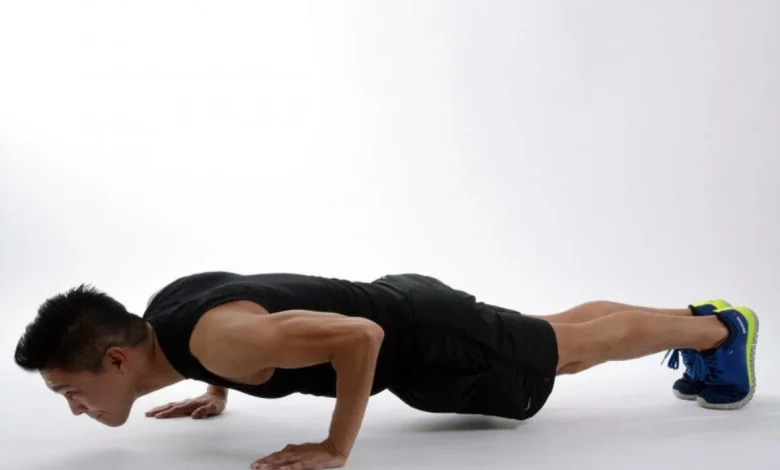
Push-ups are a widely recognized strength exercise that engages multiple muscle groups simultaneously, including the chest, shoulders, triceps, and core.
- Adaptability for All Levels: For beginners who may not be able to perform a standard push-up, modifications such as incline push-ups (using a wall or elevated surface) or knee push-ups are highly effective. As strength increases, individuals can progress to standard push-ups and then to more challenging variations like decline push-ups or plyometric push-ups.
- Compound Movement Benefits: The push-up is a compound exercise, meaning it works multiple joints and muscle groups at once, leading to greater overall strength gains and caloric expenditure compared to isolation exercises.
7. Burpees: The High-Intensity Calorie Torcher
Burpees are a high-intensity exercise that combines a squat, a push-up, and a jump into a single, fluid movement. This demanding exercise engages nearly all major muscle groups in the body, making it one of the most effective exercises for rapid calorie burning.
- Cardiovascular and Muscular Endurance: While challenging, regular burpee practice significantly enhances strength, muscular endurance, cardiovascular fitness, and body coordination. The explosive nature of the jump at the end provides a powerful cardiovascular stimulus.
- Progression and Safety: For those new to burpees, starting with a modified version that omits the push-up or the final jump can be beneficial. Gradually increasing the number of repetitions and the intensity will lead to significant improvements over time.
Integrating Home Workouts into a Healthy Lifestyle
The consistent practice of these simple home exercises can be a powerful strategy for maintaining health without incurring additional costs or requiring specialized equipment. To achieve optimal benefits, it is recommended to engage in these workouts for 20 to 30 minutes daily, or accumulate at least 150 minutes of moderate-intensity physical activity per week. This should be complemented by a balanced, nutritious diet, adequate rest, and sufficient hydration.
The Broader Implications of Accessible Fitness
The growing emphasis on home-based fitness reflects a broader societal shift towards prioritizing well-being and seeking practical solutions for maintaining an active lifestyle. This trend is particularly significant in urban areas where commuting and access to traditional fitness facilities can be challenging. Furthermore, the digital age has facilitated the spread of online fitness resources, providing individuals with guidance and motivation from expert trainers worldwide.
The implications of this accessible fitness movement are far-reaching. It democratizes health and fitness, making it attainable for a wider demographic, including those with limited financial resources, mobility issues, or demanding work schedules. The psychological benefits of feeling empowered to take control of one’s health are also profound. By integrating these simple yet effective exercises into their daily routines, individuals can not only enhance their physical health but also cultivate a stronger sense of self-efficacy and resilience.
The information provided in this article is intended for general knowledge and informational purposes only, and does not constitute medical advice. It is essential to consult with a qualified healthcare professional or certified fitness trainer before beginning any new exercise program, especially if you have any pre-existing health conditions. They can help you design a safe and effective workout plan tailored to your individual needs and fitness level.
Related posts: