Walking as a simple and effective strategy for maintaining long-term physical and mental health

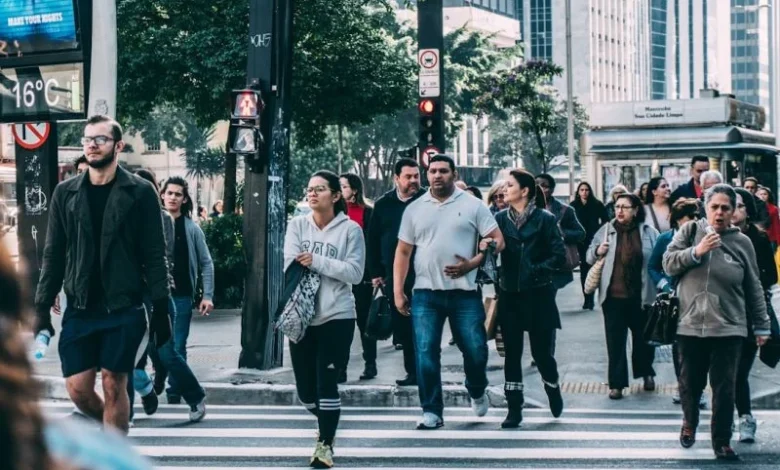
In an era defined by sedentary occupations and the pervasive influence of digital technology, the humble act of walking has emerged as a cornerstone of modern public health advocacy. While high-intensity interval training, expensive gym memberships, and specialized equipment often dominate the fitness narrative, medical professionals and global health authorities are increasingly pivoting toward walking as a sustainable, low-barrier intervention for the prevention of chronic disease. Recent shifts in social media discourse and urban wellness trends reflect a growing public recognition that physical activity does not require formal athletic settings to be transformative.
The resurgence of walking as a primary health strategy is not merely a passing trend but a return to fundamental human physiology. As office-centric work cultures have significantly reduced daily energy expenditure, the physiological consequences—ranging from cardiovascular decline to metabolic dysfunction—have become more pronounced. Data from health organizations suggest that even moderate increases in daily movement can counteract the deleterious effects of prolonged sitting, positioning walking as a vital countermeasure in the fight against non-communicable diseases.
The Physiology of Movement: A Global Health Perspective
The World Health Organization (WHO) has consistently underscored that physical inactivity is a leading risk factor for global mortality. According to the WHO’s Global Action Plan on Physical Activity 2018–2030, systemic inactivity contributes significantly to the prevalence of cardiovascular diseases, type 2 diabetes, and certain cancers. The guidelines explicitly advocate for 150 to 300 minutes of moderate-intensity aerobic activity per week. Walking, when performed at a pace that elevates the heart rate—often referred to as brisk walking—falls squarely within this recommended intensity bracket.
From a physiological standpoint, walking engages the cardiovascular and musculoskeletal systems in a rhythmic, low-impact manner. Unlike high-intensity sports that require significant recovery time, walking can be integrated into daily routines without imposing excessive physical strain. This accessibility makes it an ideal prescription for diverse demographics, including those with pre-existing conditions, elderly populations, and individuals transitioning from a sedentary lifestyle.
Bridging the Gap: From Sedentary Habits to Active Living
The historical shift toward labor-saving technology has fundamentally altered human movement patterns over the last century. In the early 20th century, daily life necessitated physical exertion for transport, domestic maintenance, and labor. As urbanization progressed, the "convenience culture" effectively designed physical activity out of daily routines.
The current movement to reclaim walking is a reaction to this structural stagnation. Public health experts have noted a chronological progression in how society views walking:
- The Utility Phase: Walking as a primary mode of transportation.
- The Leisure Phase: Walking relegated to "exercise" or "recreation."
- The Integration Phase (Current): Reintegrating walking into the fabric of daily productivity, such as "walking meetings" and active commuting.
Recent studies published in journals such as The Lancet have reinforced that the "10,000 steps" benchmark, while a successful marketing tool, is not a clinical requirement for health improvements. Research indicates that the most significant health gains occur when transitioning from a completely sedentary state to even 3,000 to 5,000 steps per day. This incremental approach mitigates the risk of injury and improves long-term adherence, a common failure point for more aggressive fitness regimens.
Cardiovascular and Metabolic Implications
The impact of consistent walking on cardiovascular health is well-documented. During a brisk walk, the heart increases its stroke volume and heart rate, which improves the elasticity of blood vessels and aids in blood pressure management. Clinical evidence shows that regular walking reduces systolic and diastolic blood pressure, thereby lowering the risk of stroke and hypertension.
Furthermore, the metabolic benefits are significant. Walking after meals has been shown to improve glycemic control by increasing glucose uptake in the muscles, which helps stabilize blood sugar levels—a critical factor for individuals managing or preventing type 2 diabetes. By keeping the body in a state of consistent, low-level activity, individuals can avoid the metabolic "shut down" associated with sitting for more than four hours consecutively.
The Psychological Dimension: Mental Health and Cognitive Function
Beyond the physical metrics, walking is increasingly recognized for its role in psychological wellness. The Centers for Disease Control and Prevention (CDC) notes that physical activity acts as a buffer against anxiety and depression. Walking facilitates the release of endorphins and neurotransmitters such as serotonin, which contribute to mood regulation.
The "cognitive buffer" provided by walking is particularly relevant for knowledge workers. Exposure to green spaces or simply removing oneself from a screen-heavy environment allows for "attention restoration," a psychological phenomenon where the brain recovers from the cognitive fatigue of concentrated work. When performed with others, walking also serves as a vehicle for social connection, which is a major determinant of mental health and longevity. The communal aspect of "walking groups" has been linked to higher levels of social cohesion and lower rates of loneliness among older adults.
Addressing Sleep Quality and Circadian Rhythms
Sleep hygiene is often the first casualty of a high-stress, sedentary lifestyle. Research suggests that the restorative properties of walking are not limited to daytime activity. Regular physical movement helps regulate the body’s circadian rhythm. Exposure to natural light during a morning walk, combined with the metabolic regulation provided by physical activity, has been shown to improve both the latency (time taken to fall asleep) and the depth of sleep.
However, experts caution that walking is not a panacea for chronic insomnia or clinical sleep disorders. It functions best as one component of a holistic sleep hygiene strategy that includes limiting blue light exposure, managing caffeine intake, and maintaining a consistent sleep schedule.
Safety and Sustainable Implementation
While walking is universally accessible, it is not without risk. For individuals who have been inactive for an extended period, the "start low, go slow" approach is essential. Rapid increases in duration or intensity can lead to musculoskeletal injuries such as plantar fasciitis, shin splints, or joint inflammation.
Medical professionals advise monitoring for warning signs during physical activity. Any sudden onset of chest pain, unexplained shortness of breath, dizziness, or lightheadedness should be treated as a medical red flag, requiring immediate cessation of activity and professional consultation.
Furthermore, the environment plays a role. Proper footwear that provides adequate arch support and cushioning is recommended to mitigate impact, particularly when walking on hard surfaces like concrete. As urban infrastructure continues to evolve, city planners are increasingly focusing on "walkability"—the design of urban spaces that encourage pedestrian movement through safety, connectivity, and accessibility.
Broader Public Health Implications
The widespread adoption of walking as a lifestyle choice has profound implications for public health budgets. By reducing the incidence of obesity, hypertension, and cardiovascular illness, walking serves as a preventative measure that reduces the reliance on pharmaceuticals and hospital-based interventions.
Public policy initiatives, such as the development of pedestrian-friendly city centers, are now being viewed through a health-economic lens. When governments invest in sidewalks, parks, and safe pedestrian crossings, they are essentially investing in the long-term healthcare savings of their populations.
In summary, the transition toward a more active, walking-centered lifestyle represents a pragmatic response to the challenges of modern living. It does not require a change in identity—from "non-athlete" to "athlete"—but rather a minor shift in daily operational behavior. By prioritizing movement, individuals can access a myriad of physiological and psychological benefits, ensuring that the body remains functional and resilient throughout the aging process. Whether it is a ten-minute walk after lunch or choosing the stairs over the elevator, every incremental step contributes to a more sustainable, healthier future. As the global medical community continues to validate these findings, the message remains clear: the most effective exercise is often the one that is the most sustainable, and for the vast majority of the population, that exercise is simply walking.