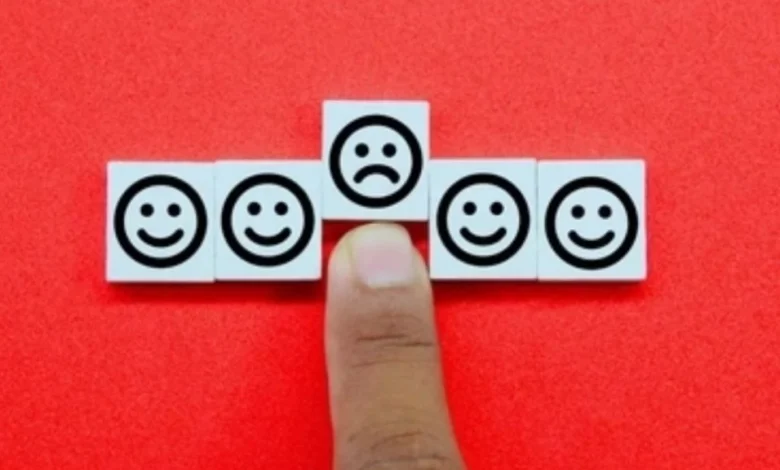
Human beings are inherently social creatures, biologically and psychologically wired to seek companionship, belonging, and emotional support. In the complex tapestry of modern life, the presence of reliable friends is often correlated with higher levels of life satisfaction, improved mental health, and greater resilience during periods of personal hardship. However, not all interpersonal connections are conducive to individual growth. A growing body of psychological research suggests that social circles can sometimes become a source of significant stress, anxiety, and emotional depletion. When a friendship shifts from a mutually beneficial bond to an engagement characterized by negativity, manipulation, or emotional instability, it is often classified as a "toxic" relationship.
Defining the Toxic Dynamic
The term "toxic" in a relational context—while popularized by social media—refers to any relationship that consistently undermines an individual’s sense of self-worth and well-being. According to clinical psychologists, such dynamics are not always obvious. Unlike overt physical aggression, toxic behavior often manifests in subtle, repetitive patterns that erode a person’s confidence over time. Recognizing these patterns is the first step toward safeguarding one’s mental health.
Breach of Trust and Confidentiality
At the bedrock of any sustainable friendship lies the element of trust. Trust allows individuals to be vulnerable, share private aspirations, and disclose fears without the anxiety of judgment or exposure. When a friend violates this sanctity by leaking personal secrets or engaging in gossip, the psychological foundation of the relationship fractures.
Data from behavioral health studies indicate that chronic distrust leads to hyper-vigilance, where the victim of the betrayal becomes unable to open up to others, eventually leading to social withdrawal. Experts, including guidance from platforms like WebMD, emphasize that once the "trust contract" is consistently broken, the relationship may have reached a point of no return. The persistent fear that private information might be weaponized creates a state of chronic stress that is incompatible with a healthy friendship.
The Ambiguity of Hostility and Verbal Aggression
Hostile behavior is often masked under the guise of "teasing" or "banter." This is a common psychological defense mechanism where the aggressor avoids accountability by accusing the victim of being "too sensitive." However, the line between playful banter and verbal abuse is crossed when the intent—or the consistent effect—is to belittle, diminish, or humiliate the other person.
Psychological assessments define this behavior as a form of non-physical violence. When a friend frequently makes derogatory comments about one’s appearance, intellect, or lifestyle, it serves to undermine the victim’s self-esteem. Over time, the recipient of this abuse may internalize these criticisms, leading to a distorted self-image. It is critical to differentiate between a friend who offers constructive feedback out of care and one who uses criticism as a tool for dominance.
The Destructive Nature of Unwarranted Comparison
Social comparison theory, first proposed by psychologist Leon Festinger, posits that individuals determine their own social and personal worth based on how they stack up against others. In a toxic friendship, this mechanism is intentionally weaponized. A toxic individual may frequently point out their friend’s shortcomings while elevating their own status, creating an environment of perpetual insufficiency.
This behavior is rarely about the victim’s actual flaws; it is a manifestation of the aggressor’s own insecurities. By casting their friend in a "lesser" light, the toxic individual reinforces their own sense of superiority. This creates a competitive atmosphere where every conversation feels like a performance, stripping the friendship of its capacity for authentic connection.
Emotional Volatility and Unpredictability
One of the most exhausting traits of a toxic friend is their emotional inconsistency. Drawing from observations documented by Psychology Today, these individuals often create a "roller coaster" effect in their social interactions. One moment, they may be warm, supportive, and engaging; the next, they may become distant, cold, or hostile without a clear provocation.
This unpredictability forces the victim to "walk on eggshells," constantly analyzing the friend’s mood to avoid triggering a negative reaction. The cognitive load required to manage such a relationship is significant, often leading to burnout, anxiety, and a sense of confusion. A healthy friendship, by contrast, relies on a baseline of emotional stability that provides security, not a cycle of uncertainty.
Self-Centeredness and Transactional Relationships
True friendship involves a reciprocal exchange of empathy, time, and attention. In toxic dynamics, the relationship often feels profoundly one-sided. A common hallmark of such behavior is the "fair-weather" friend—someone who is present during moments of success or leisure but vanishes when the other person requires genuine support.
These individuals tend to treat friendships as transactional, prioritizing their own needs, grievances, and narratives. Conversations with such people often feel like monologues, where they seek an audience for their own life events but show little interest in the experiences of their peers. This lack of reciprocity is a clear indicator that the individual values the utility of the relationship rather than the person themselves.
The Competitive Impulse
While healthy competition can be a source of motivation, it has no place in the fundamental structure of a supportive friendship. A toxic friend perceives every achievement of their peer as a threat or a scorecard. When a friend shares positive news—a career advancement, a personal goal met, or a happy milestone—a toxic individual will often minimize the achievement or immediately pivot to their own success to overshadow the moment.
This competitive drive stems from an inability to view a friend’s success as a collective win. Instead of fostering an environment of shared joy, they create a zero-sum game where one person’s gain is viewed as the other person’s loss.
Broader Implications and Mental Health Outcomes
The cumulative effect of maintaining these toxic relationships can have significant implications for physical and mental health. Chronic stress caused by toxic interactions is known to increase cortisol levels, which, over time, can lead to cardiovascular issues, weakened immune responses, and sleep disturbances.
Mental health professionals consistently warn that the normalization of toxic traits in social circles is a rising public health concern. Because these relationships are often formed in school, the workplace, or familial settings, the pressure to maintain them can be immense. However, the cost of staying in such a dynamic—eroded self-worth, increased anxiety, and the loss of genuine connections—far outweighs the difficulty of setting boundaries.
Navigating the Exit: Strategies for Wellbeing
The process of distancing oneself from a toxic friend is not always a sudden "breakup." It often involves a gradual process of setting firm boundaries, reducing contact, and prioritizing one’s own mental equilibrium. Experts suggest several steps to mitigate the impact:
- Identify the pattern: Recognize that the behavior is systemic, not a one-off mistake.
- Set clear boundaries: Communicate what behavior is unacceptable. If the individual refuses to respect these boundaries, their intent is made clear.
- Limit exposure: Reduce the frequency and duration of interactions.
- Prioritize existing healthy support systems: Invest energy in relationships that are reciprocal, trust-based, and affirming.
In conclusion, the decision to evaluate one’s social circle is not an act of malice, but an act of self-preservation. As individuals navigate their personal and professional lives, the quality of their relationships becomes a defining factor in their overall health. Recognizing the signs of toxic behavior—whether it be dishonesty, hostility, or emotional manipulation—is essential for fostering an environment where growth, joy, and genuine support can thrive. By curating a circle of friends who respect, value, and uplift one another, individuals can better navigate the complexities of life with resilience and peace of mind.