Aki mobil soak: Panduan lengkap membedakan antara pengisian ulang dan penggantian komponen yang krusial

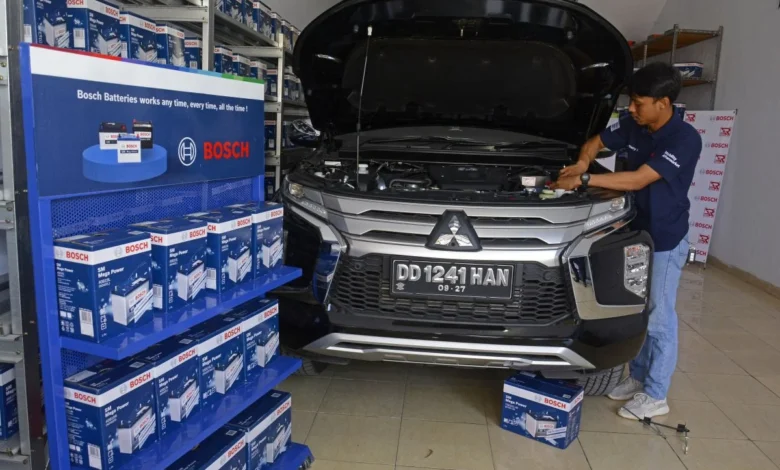
The automotive battery serves as the lifeblood of a modern vehicle, acting as the primary energy reservoir required to crank the engine and sustain an increasingly complex network of electronic control units (ECUs), infotainment systems, and safety features. As vehicle technology evolves, the dependency on a stable power supply has never been higher. When a battery begins to fail, characterized by sluggish engine starts, dimming headlights, or flickering dashboard indicators, vehicle owners are frequently confronted with a dilemma: should they invest in a professional recharge or commit to the cost of a full replacement? This decision is not merely a matter of convenience; it carries significant implications for the vehicle’s long-term electrical health and operational reliability.
The Anatomy of Battery Failure: Discharged vs. Damaged
To make an informed decision, owners must first distinguish between a "discharged" battery and a "damaged" battery. A discharged battery, often referred to in technical terms as a state of low capacity, is a condition where the battery has lost its stored chemical energy but remains structurally and chemically sound. This is frequently a result of external factors: leaving cabin lights on, extended periods of inactivity, or frequent short-distance driving where the alternator does not have sufficient time to replenish the energy consumed during the initial cold start. In these instances, the battery acts as a storage vessel that has simply been emptied; providing a controlled recharge via a professional-grade battery charger is often sufficient to restore the unit to its optimal working state.
Conversely, a damaged battery represents an internal degradation of the lead-acid plates or the electrolyte solution. This often manifests as "sulfation," where lead sulfate crystals harden on the plates, permanently reducing the battery’s surface area available for chemical reactions. Even if a charger brings the voltage up to a nominal level, a damaged battery will exhibit a rapid voltage drop as soon as it is placed under load. In such cases, recharging is merely a temporary bandage that masks a deeper, systemic failure.
The Lifecycle and Environmental Factors
Modern lead-acid batteries, including the widely used Flooded, AGM (Absorbent Glass Mat), and EFB (Enhanced Flooded Battery) types, are designed for a finite number of charge-discharge cycles. According to automotive industry standards established by organizations like the American Automobile Association (AAA), the typical lifespan of a vehicle battery ranges from three to five years. However, this window is highly elastic.
Climatic conditions play a critical role in this timeline. Extreme heat, in particular, is the primary enemy of battery longevity. High under-hood temperatures accelerate the evaporation of the electrolyte and increase the rate of internal corrosion. In tropical climates, such as those found in Southeast Asia, it is not uncommon for batteries to reach their end-of-life threshold closer to the three-year mark. Vehicle owners in these regions should adopt a proactive stance, scheduling load-test inspections at the 30-month mark to mitigate the risk of a roadside breakdown.
Diagnostic Procedures: Beyond Voltage Readings
A common misconception among motorists is that a simple multimeter reading is enough to determine battery health. While a reading of 12.6 to 12.8 volts indicates a fully charged state, this only measures the potential difference when the battery is at rest. It does not account for "Cold Cranking Amps" (CCA)—the critical measurement of a battery’s ability to provide a high burst of energy to start an engine in various temperatures.
Professional service centers utilize conductance testers, which apply a controlled load to the battery to simulate the stress of an engine start. This diagnostic approach identifies whether the battery can sustain the required voltage drop without dipping into the "danger zone," which would otherwise trigger electronic glitches in sensitive vehicle sensors. If a battery fails this load test, no amount of recharging will restore its performance, and replacement becomes a mandatory requirement to protect the starter motor and alternator from the strain of erratic power delivery.
The Chain Reaction: How Neglect Affects Vehicle Systems
The implications of ignoring a dying battery extend far beyond the inconvenience of a car that won’t start. A battery that struggles to hold a charge forces the alternator to work harder, operating at its maximum output capacity for extended periods. This constant demand can lead to premature alternator failure, a significantly more expensive repair than a simple battery swap.
Furthermore, modern vehicles are equipped with sophisticated Battery Management Systems (BMS). These systems monitor the state of health (SoH) and state of charge (SoC) to optimize charging cycles. If a failing battery is not replaced correctly—or if a replacement is installed without recalibrating the BMS—the vehicle’s computer may continue to apply incorrect charging profiles, potentially damaging the new battery or disrupting start-stop functionality.
Best Practices for Battery Longevity
Industry experts suggest a proactive maintenance protocol to extend the life of a vehicle’s electrical storage:
- Regular Usage: Avoid leaving vehicles idle for more than two weeks. If extended storage is necessary, the use of a "trickle charger" or "battery tender" is recommended to prevent deep discharge.
- Terminal Hygiene: Corrosion at the battery terminals increases electrical resistance, which can hinder the flow of current. Regular cleaning with a mixture of baking soda and water, followed by the application of anti-corrosion spray, is a simple yet effective preventative measure.
- Load Management: Always ensure that all high-draw electronics—such as air conditioning, infotainment, and lighting—are switched off before turning off the ignition, and avoid using these devices while the engine is off for extended periods.
- Accessory Awareness: After-market modifications, such as high-output audio systems or heavy-duty lighting, place significant stress on the electrical system. If such upgrades are made, consider upgrading to a high-capacity AGM battery.
Decision Matrix: To Recharge or To Replace?
When evaluating the next step, owners should follow a logical sequence. First, inspect the physical integrity of the battery. Any signs of swelling, leaking, or terminal corrosion are immediate red flags indicating that the battery should be removed and replaced for safety reasons.
If the battery appears physically sound, perform a voltage check with a multimeter. If the resting voltage is below 12.4 volts, the battery is likely discharged. A professional charge is warranted here. However, if the battery fails a load test or if the vehicle continues to show signs of lethargic starting after a full recharge, the internal chemistry has likely failed.
Ultimately, the choice between recharging and replacing should be based on data rather than speculation. A professional technician’s assessment—combining voltage tests, load tests, and an inspection of the alternator output—provides the most reliable roadmap. By understanding these technical nuances, vehicle owners can avoid the unnecessary expense of premature replacement while ensuring they do not rely on a compromised component that could leave them stranded at the most inconvenient moment. As vehicle electrical systems become more complex, the battery remains the foundation of vehicle reliability; treating it with the same level of care as engine oil or tire pressure is essential for every responsible driver.