The Dawn of the Doncic Era in Los Angeles
The Lakers organization has effectively signaled that the "LeBron Era" has concluded, not with a collapse, but with a calculated transition. Luka Doncic, who led the team to 53 wins during the 2025/2026 regular season while capturing his second career scoring title, now stands as the undisputed centerpiece of the franchise. His ability to manipulate defensive sets and control the tempo of a game makes him the natural successor to the mantle of leadership in Los Angeles.
However, the pressure on Doncic is unprecedented. Without James acting as a secondary playmaker and defensive anchor, Doncic will face a higher volume of defensive coverage. Statistical analysis from the previous season suggests that when Doncic is off the floor, the Lakers’ offensive efficiency rating drops significantly, indicating a reliance that must be mitigated by the new roster construction orchestrated by the front office during the off-season.
Tactical Reconfiguration: The Rise of Austin Reaves
If Doncic is the heartbeat of the Lakers, Austin Reaves is positioned to become the team’s vital secondary engine. Coming off a career-best season where he averaged 23.3 points per game, Reaves has evolved from a gritty role player into an offensive weapon capable of creating his own shot.
The synergy between Doncic and Reaves was a statistical bright spot in the 2025/2026 campaign, with the duo posting a combined average of 56.8 points per game. The Lakers recorded a respectable 30-11 record when both players were active, highlighting a foundation that head coach JJ Redick intends to build upon. For Reaves, the challenge lies in maintaining this production while assuming the burden of being a primary defensive focus for opposing scouting reports.
Strategic Roster Overhaul and Defensive Objectives
General Manager Rob Pelinka has overseen a significant overhaul to address the team’s defensive deficiencies, which saw them concede an average of 114.6 points per game last season. The acquisition of Walker Kessler is the most critical move; his rim protection is expected to alleviate pressure on the perimeter defenders.
Further depth was added through the acquisitions of Quentin Grimes, Collin Sexton, Jaden Hardy, and defensive specialist Matisse Thybulle. The departure of veteran contributors such as Deandre Ayton, Rui Hachimura, and Jaxson Hayes indicates a shift toward a faster, more perimeter-oriented game plan. The integration of these new pieces into JJ Redick’s tactical system will be the defining narrative of the first month of the season. The primary objective is to elevate the team from their 19th-ranked defensive standing in the previous season to a top-10 unit.
Season Opener and the Path Forward
The 2026/2027 NBA regular season tips off on Tuesday, October 20, 2026. The Lakers will host the Golden State Warriors at the Crypto.com Arena on Wednesday, October 21, at 7:00 PM PDT (Thursday, 09:00 WIB). This matchup serves as the inaugural test for the post-James iteration of the Lakers, providing an early look at how the team’s new rotation functions against a high-paced, veteran-led opponent.
The schedule holds immense emotional weight as well. On December 25, 2026, the Philadelphia 76ers will visit Los Angeles. The return of LeBron James to the arena where he secured his legacy will likely be the most-watched regular-season game of the year, symbolizing the definitive turning of the page for the franchise.
Analyzing the Competitive Landscape in the West
The Western Conference remains an unforgiving gauntlet. The Oklahoma City Thunder, fresh off a 64-win season, remain the team to beat, boasting an elite defensive structure and sustained continuity. Similarly, the San Antonio Spurs, under the continued development of Victor Wembanyama, have ascended to the upper echelon of the league after their 2026 NBA Finals appearance.
The Minnesota Timberwolves, bolstered by the addition of LaMelo Ball to complement Anthony Edwards, alongside the perennial threat of Nikola Jokic’s Denver Nuggets, ensure that the path to the playoffs will be arduous. For the Lakers, the objective is to secure a top-six seed to avoid the unpredictable volatility of the NBA Play-In Tournament.
Coaching Under the Microscope: The JJ Redick Challenge
Head coach JJ Redick faces the most significant challenge of his career. Managing a roster that has replaced a substantial portion of its core requires not only tactical acumen but also master-level man-management. Redick must cultivate a culture where the team identity is built on collective execution rather than individual brilliance.
"Our success will not be defined by replicating the past, but by how quickly we can establish our new standard," an organizational source noted during the pre-season. This philosophy is evident in the team’s focus on high-efficiency perimeter shots and disciplined defensive rotations. Redick’s ability to manage the minutes of Doncic and Reaves will be crucial, as the Lakers cannot afford to enter the postseason with a fatigued primary duo.
The Statistical Reality and Future Projections
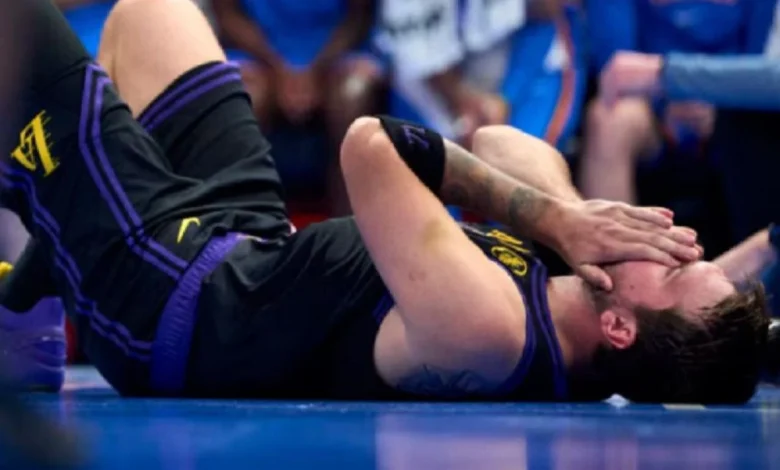
The Lakers concluded the 2025/2026 season with a 53-29 record, but their 0-4 sweep at the hands of the Oklahoma City Thunder in the Western Conference Semifinals exposed the lack of depth and defensive resilience necessary for deep playoff runs. The absence of Doncic during that series due to injury proved fatal, highlighting the team’s vulnerability to injury-induced instability.
The current analytical model suggests that the Lakers’ success hinges on three variables:
- Defensive Efficiency: Improving the points-allowed-per-100-possessions metric is non-negotiable for a championship-contending team.
- Bench Production: The efficiency of the second unit, led by players like Sexton and Hardy, must sustain the offense when Doncic is off the floor.
- Chemistry Development: With only eight players returning from the previous season, the speed at which the new roster synchronizes will determine their seeding in the highly competitive West.
Broader Implications of the Transition
The departure of LeBron James from Los Angeles represents more than a roster change; it signifies a transition in the NBA’s broader power structure. The league is currently witnessing a changing of the guard, as younger stars and new team compositions vie for the dominance previously held by the veterans of the 2010s.
For the Lakers, the financial and marketing impact of losing one of the most recognizable athletes in history is significant. However, the front office is betting that the combination of Doncic’s global appeal and a more balanced, deep team structure will provide a sustainable path toward the franchise’s 18th championship.
Conclusion: A New Chapter
As the curtain rises on the 2026/2027 season, the Los Angeles Lakers are entering a period of necessary reinvention. The "LeBron Era" has concluded, but the infrastructure for future success remains intact. By centering the offense around Luka Doncic, empowering Austin Reaves to elevate his game, and prioritizing defensive versatility through strategic acquisitions, the Lakers are positioning themselves to remain a formidable force.
The road ahead is undoubtedly difficult, with an increasingly talented Western Conference standing in their way. However, the organization appears prepared to trade the reliance on a single superstar for a more cohesive, multi-faceted approach. Whether this gamble pays off remains to be seen, but for the fans in Los Angeles, the 2026/2027 season promises to be a compelling study in resilience and the perpetual pursuit of basketball excellence. The Lakers are no longer playing in the shadow of their past; they are, for better or worse, defining their future.