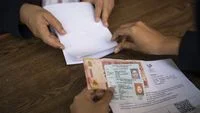
The accessibility of healthcare services remains a cornerstone of Indonesia’s social security framework, as the Social Security Administrative Body for Health, known locally as BPJS Kesehatan, continues to diversify its service channels to accommodate a population of over 270 million people. While the JKN Mobile application has been promoted as the primary digital gateway for participants, a significant portion of the citizenry—particularly the elderly and those residing in areas with limited digital infrastructure—requires alternative methods to verify their insurance status. Recognizing these barriers, BPJS Kesehatan has institutionalized several non-application-based platforms, such as the PANDAWA WhatsApp service and the 165 Care Center, ensuring that the mandate of Universal Health Coverage (UHC) is not hindered by technological constraints.
The Strategic Importance of Active Membership Status
BPJS Kesehatan serves as the implementing body for the National Health Insurance (JKN) program, which was established to provide comprehensive medical protection to all Indonesian citizens and foreign residents who have worked in the country for at least six months. Under Law No. 24 of 2011 concerning Social Security Organizing Bodies, participation in this program is mandatory. However, the mere act of registration does not guarantee immediate access to medical facilities; participants must ensure their membership remains "active." An inactive status, often caused by premium arrears or administrative discrepancies, can lead to the rejection of claims at primary health facilities (Puskesmas) or hospitals, potentially resulting in significant out-of-pocket expenses for the patient.
Given the transition toward the Standardized Inpatient Class (KRIS) system and the ongoing discussions regarding premium adjustments, many participants have found it necessary to check their status more frequently. For those who do not wish to clutter their smartphones with additional software or who possess devices with limited storage, the ability to verify status without an application is a vital administrative convenience.
Method 1: Verification via the PANDAWA WhatsApp Service
One of the most effective and widely used methods for checking status without an application is the Administration Service via WhatsApp, abbreviated as PANDAWA. This service was initially launched during the COVID-19 pandemic to reduce physical crowds at BPJS branch offices and has since evolved into a permanent fixture of the agency’s digital ecosystem. PANDAWA operates through a centralized number, allowing participants to interact with an automated system or a customer service representative from the comfort of their homes.
To utilize this service, participants should follow these specific steps:
- Save the official PANDAWA WhatsApp number: 0811-8165-165.
- Initiate a conversation by sending a greeting or a specific keyword such as "Hi" or "Check Status."
- The system will respond with a list of service options. Select the "Information" menu.
- From the sub-menu, choose the "Check Membership Status" (Cek Status Kepesertaan) option.
- The system will prompt the user to provide their National Identification Number (NIK) or their specific BPJS Kesehatan participant number.
- Users must then input their date of birth in the requested format (typically YYYY-MM-DD).
- Upon validation, the system will display the current status of the participant, along with the status of any family members registered under the same Family Card (KK).
The PANDAWA service is highly regarded for its low data consumption and user-friendly interface, making it the preferred choice for the "silent generation" and "baby boomers" who may be more comfortable with messaging apps than complex dedicated applications.
Method 2: Utilizing the 24-Hour Care Center 165
For individuals who may not have access to a stable internet connection or who prefer verbal communication, BPJS Kesehatan operates a comprehensive telephonic hub known as Care Center 165. This service is accessible via both landlines and mobile phones, providing a 24/7 lifeline for participants nationwide.
The procedure for checking status via the Care Center is as follows:
- Dial 165 from any telephone.
- Select the language preference if prompted.
- Choose the option for membership information or status inquiry.
- Prepare the NIK or BPJS number for verification purposes.
- Follow the automated voice prompts or wait to be connected to a customer service officer who will verify the identity of the caller and provide the necessary membership details.
Beyond status checks, Care Center 165 serves as a critical infrastructure for handling complaints, reporting lost cards, and obtaining information regarding the nearest healthcare providers. The integration of artificial intelligence in the 165 system has significantly reduced wait times, although peak hours may still see higher traffic.
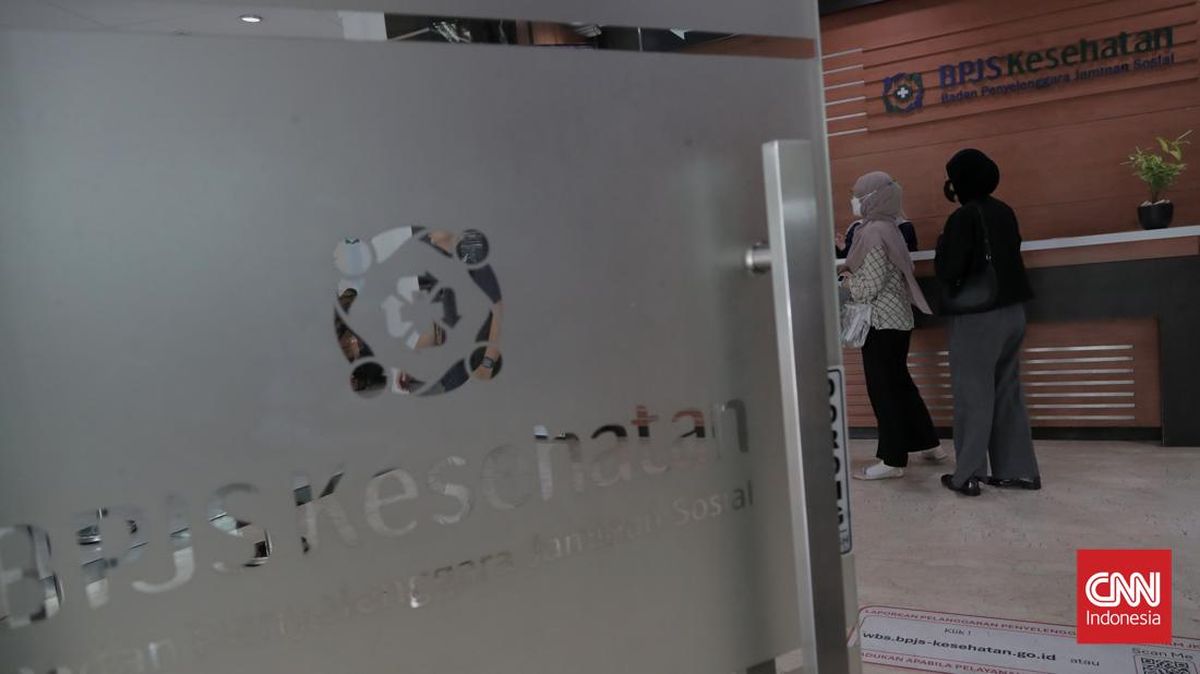
The Evolution of Service Channels: A Brief Chronology
The development of these non-application channels is part of a broader decade-long evolution of the JKN program.
- 2014: BPJS Kesehatan was officially launched, primarily relying on physical branch offices and "BPJS Centers" located within hospitals.
- 2016-2018: The agency began expanding its digital footprint, introducing early versions of the mobile app and basic SMS-based inquiry systems.
- 2020: The onset of the global pandemic accelerated the "New Normal" in public services. PANDAWA was introduced as a regionalized WhatsApp service, initially requiring different numbers for different cities.
- 2022: BPJS Kesehatan centralized PANDAWA into a single national number (0811-8165-165) and rebranded its call center from 1500400 to the simpler 165.
- 2024-2026: The focus shifted toward omnichannel integration, ensuring that data retrieved via WhatsApp, the call center, or the mobile app is synchronized in real-time with the national database.
Supporting Data: Digital Literacy and Healthcare Equity
The necessity of maintaining non-application channels is supported by demographic and technological data from the Indonesian Central Bureau of Statistics (BPS). While smartphone penetration in Indonesia has exceeded 80%, digital literacy remains unevenly distributed across the archipelago. In rural areas of Papua, East Nusa Tenggara, and Kalimantan, internet speeds and data costs often make downloading large applications impractical.
Furthermore, a significant portion of the JKN membership consists of "Penerima Bantuan Iuran" (PBI), or participants whose premiums are subsidized by the government. Many PBI participants utilize entry-level smartphones with limited processing power. By providing WhatsApp and call-based alternatives, BPJS Kesehatan effectively bridges the "digital divide," ensuring that the most vulnerable populations are not excluded from the healthcare system due to a lack of high-end technology.
Official Responses and Institutional Perspectives
Government officials and BPJS Kesehatan executives have frequently emphasized that the "Humanist and Digital" (HUMIS) approach is key to the agency’s success. In various public statements, the Board of Directors has noted that while the JKN Mobile app is the most feature-rich platform, the agency will not force its use on those who find it challenging.
"Our goal is to provide a seamless experience for every participant, regardless of their technological proficiency," a spokesperson for BPJS Kesehatan stated in a recent briefing. "Whether a citizen visits a branch office, calls 165, or sends a WhatsApp message, the quality of data and the speed of the response must be consistent. We are committed to leaving no one behind in our journey toward 100% Universal Health Coverage."
Health observers and consumer advocacy groups have lauded these efforts but continue to urge the government to improve the responsiveness of the automated systems. Some users have reported that during periods of high system maintenance, the WhatsApp bot can experience delays, highlighting the need for continuous server upgrades.
Broader Impact and Implications for the Healthcare System
The ability to check BPJS status easily has profound implications for the efficiency of the national healthcare system. When participants verify their status before arriving at a hospital, it significantly reduces administrative bottlenecks at the registration desk. This "pre-verification" culture prevents "emergency-room friction," where patients in need of urgent care are delayed because their insurance status is found to be inactive at the last minute.
Moreover, these diverse channels play a role in financial sustainability. By making it easy for participants to check their status, BPJS Kesehatan also makes it easier for them to identify if they have outstanding debts. The PANDAWA and 165 services often provide direct links or instructions on how to pay arrears, thereby improving the premium collection ratio which is vital for the program’s solvency.
As Indonesia moves toward the full implementation of the KRIS system—which aims to eliminate the class-based room system in favor of a single standard—the demand for clear, accessible information will only increase. The non-application channels act as a safety net for the information-seeking process, ensuring that the transition to new policies is communicated effectively to all strata of society.
In conclusion, while the digital age encourages the use of dedicated applications, BPJS Kesehatan’s decision to maintain and strengthen WhatsApp and call center services is a pragmatic response to Indonesia’s diverse socio-economic landscape. By offering these "no-app" alternatives, the agency reinforces the principle of social justice, ensuring that the right to health information and services is a reality for every Indonesian citizen, from the tech-savvy youth in Jakarta to the elderly farmers in remote villages. Participants are encouraged to save the PANDAWA number and the 165 Care Center contact as a routine part of their personal health management strategy.