Detailed Dry Season Commencement and Regional Overview
The early commencement of the dry season in March 2026, affecting a limited number of areas, highlights the nuanced climatological patterns within Indonesia. These pioneering regions, as identified by BMKG Head Teuku Faisal Fathani, include isolated parts of Aceh, northern Sumatra, Riau, Central Sulawesi, South Sulawesi, Southeast Sulawesi, West Nusa Tenggara (NTB), East Nusa Tenggara (NTT), Maluku, and West Papua. This initial phase, while confined to a small percentage of ZOMs, provides an early indicator of the broader seasonal shift. Faisal emphasized the agency’s commitment to continuous monitoring of global and regional climate dynamics, pledging regular updates through various official communication channels. This proactive communication strategy is crucial for keeping the public and relevant stakeholders informed and prepared, particularly given the potential for regional disparities in seasonal intensity.
As the calendar progresses into April, the number of ZOMs entering the dry season is forecast to increase substantially. BMKG’s projections indicate that 114 ZOMs, accounting for approximately 16.3 percent of Indonesia’s total seasonal zones, will begin their dry period during April. Key regions encompassed in this wave include the northern coastal areas of West Java, the northern and southern coasts of Central Java, most of the Special Region of Yogyakarta, parts of East Java, Bali, Nusa Tenggara Barat, Nusa Tenggara Timur, and a small portion of South Sulawesi. These areas typically experience a more pronounced shift in weather patterns, making the April forecast a significant milestone for the 2026 dry season. The transition from the wet to the dry season in these areas often brings a gradual reduction in rainfall, leading to clearer skies and rising temperatures, signaling the need for initial adjustments in water usage and agricultural practices.
The momentum continues into May, which is anticipated to witness the most significant ingress of ZOMs into the dry season. A substantial 184 ZOMs, representing 26.3 percent of the total, are predicted to transition in May. This period often marks the height of the dry season’s onset across a large swathe of the archipelago, including many densely populated areas. Following May, June will see another considerable portion of the country, with 163 ZOMs (23.3 percent), entering the dry season. By the end of June, a significant majority of Indonesia will have officially transitioned into its dry period, setting the stage for the peak months. The staggered nature of these transitions underscores the complexities in national-level planning, requiring localized and adaptable strategies for disaster mitigation, resource management, and public awareness campaigns that resonate with specific regional contexts.
Jakarta’s Specific Dry Season Outlook
The capital city, Jakarta, offers a more granular perspective on the dry season’s arrival. According to Ardhasena Sopaheluwakan, Deputy for Climatology at BMKG, Jakarta had not yet entered its dry season as of early April, with the commencement largely expected in May. Specifically, BMKG’s "2026 Dry Season Prediction Book" details that two distinct ZOMs within the Jakarta region will initiate their dry season in May. The BantenDKI 15 ZOM is projected to start its dry season during the first dasarian (a ten-day period) of May, while BantenDKI 16 is predicted to follow in the second dasarian of May. Notably, both ZOMs are anticipated to experience an earlier dry season onset by one dasarian compared to their climatological averages, suggesting a potentially drier than usual start for the capital and its surrounding areas. This earlier onset prompts heightened vigilance from urban planners and residents alike.
The BantenDKI 15 ZOM encompasses significant parts of West Jakarta (Kebon Jeruk, Kembangan, Palmerah), Central Jakarta (Cempaka Putih, Johar Baru, Menteng, Senen, Tanah Abang), East Jakarta (Jatinegara, Makasar, Pulogadung, Matraman), and South Jakarta (Kebayoran). This area represents a blend of residential, commercial, and administrative zones, making the timing of the dry season crucial for urban planning and public services, particularly in managing water demand and mitigating urban heat island effects. Conversely, the BantenDKI 16 ZOM covers other critical areas of South Jakarta (Cilandak, Kebayoran Baru, Mampang Prapatan, Pancoran, Jagakarsa, Pasar Minggu) and East Jakarta (Cipayung, Kramat Jati, Ciracas, Pasar Rebo). The precise timing provided by BMKG, down to the dasarian, allows local authorities to fine-tune their preparatory measures, such as optimizing water distribution schedules, implementing public advisories on water conservation, and preparing for potential increases in temperature-related health issues.
Peak Season and Broader Chronology
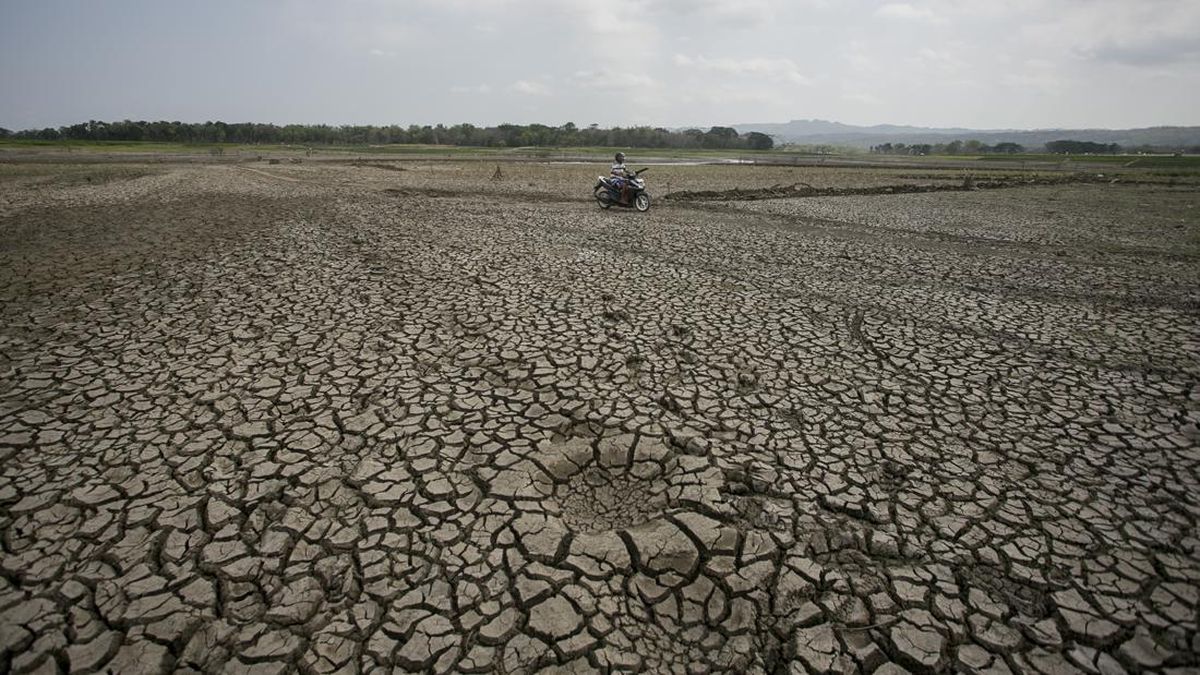
Beyond the initial onset, BMKG’s analysis also forecasts the peak of the dry season across Indonesia. The majority of the archipelago, comprising 429 ZOMs or approximately 61.4 percent of Indonesia’s total area, is expected to experience its driest period in August 2026. This month typically represents the zenith of the dry season’s intensity, characterized by minimal rainfall, prolonged periods of sunshine, and often higher temperatures. Such conditions can exacerbate issues related to water scarcity, agricultural stress, and the risk of forest and land fires, demanding maximum preparedness from all stakeholders.
Other regions will experience their peak earlier or later, illustrating the extensive temporal spread of dry conditions. Around 12.6 percent of ZOMs are projected to hit their peak dry conditions in July, primarily including parts of Sumatra, central and northern Kalimantan, and extending into small portions of Java, Nusa Tenggara, Sulawesi, Maluku, and western Papua. A smaller segment, 14.3 percent of ZOMs, will experience their peak dry season in September. This highlights the prolonged nature of the dry season in some areas and the need for sustained vigilance and resource management efforts throughout the latter half of the year. The variations in peak periods necessitate a flexible and region-specific approach to disaster management, rather than a monolithic national strategy, allowing for targeted interventions and resource allocation based on real-time conditions.
Scientific Basis and Monitoring Methodologies
The BMKG’s detailed forecasts are rooted in a sophisticated understanding of global and regional climate dynamics. Indonesia’s climate is primarily influenced by the Asian and Australian monsoons, which dictate the alternating wet and dry seasons. However, these large-scale patterns are further modulated by various oceanic and atmospheric phenomena. Key among these are the El Niño-Southern Oscillation (ENSO) in the Pacific Ocean and the Indian Ocean Dipole (IOD). These phenomena, characterized by sea surface temperature anomalies, can significantly alter rainfall patterns across the Indonesian archipelago, either strengthening or weakening the monsoon systems and thereby influencing the intensity and duration of the dry season. While the original article does not specify the current phase of ENSO or IOD for 2026, BMKG’s continuous monitoring of these indices is fundamental to its predictions, allowing for adjustments in forecasts as conditions evolve.
BMKG utilizes a comprehensive array of tools and data sources to generate its seasonal forecasts. This includes extensive historical climatological data, which provides a baseline of average conditions, combined with real-time satellite imagery for cloud cover and rainfall estimation, and a dense network of ground-based weather stations across the country. These observations are fed into advanced numerical climate models, which simulate atmospheric and oceanic processes to predict future weather patterns. The "Zona Musim" (ZOM) classification, crucial to these predictions, divides Indonesia into distinct climatic zones based on their historical rainfall patterns and seasonal characteristics. This granular approach allows for more localized and accurate advisories, acknowledging the vast climatic diversity across the archipelago. The agency’s commitment, as stated by Faisal, to "continuously monitor the development of global and regional climate dynamics" underscores the scientific rigor and adaptability behind these crucial seasonal outlooks, ensuring the most current and reliable information is disseminated to the public and decision-makers.
Potential Impacts and Broader Implications
The impending dry season carries a range of significant implications for Indonesia, affecting various socio-economic and environmental sectors. Understanding these potential impacts is crucial for national and local preparedness efforts and for developing resilient strategies.
Agriculture and Food Security: A primary concern is the impact on the agricultural sector, which forms the backbone of many regional economies. Prolonged dry spells, especially those that are more intense or start earlier than average, can severely disrupt planting and harvesting schedules. Farmers reliant on rain-fed irrigation may face crop failures, leading to reduced yields and significant economic losses. This, in turn, can have broader implications for national food security, potentially driving up food prices and necessitating government intervention through food distribution programs or import strategies. The earlier onset in some regions, combined with a projected August peak, means a longer period of vulnerability for certain staple crops like rice, maize, and soybeans.
Water Resources Management: Reduced rainfall during the dry season directly translates to lower water levels in rivers, lakes, and reservoirs. This poses significant challenges for water supply, affecting both domestic consumption and industrial use. Cities, particularly those with high population densities like Jakarta, will need to implement stringent water conservation measures and potentially rationing. Hydropower generation, a critical component of Indonesia’s energy mix, could also be impacted by diminished water flow, potentially leading to energy shortages or increased reliance on fossil fuels. Local governments and water utility companies must proactively manage water distribution, identify alternative sources, and educate the public on responsible water usage to prevent crises.
Forest and Land Fires (Karhutla): One of the most devastating consequences of intense dry seasons in Indonesia is the increased risk of forest and land fires (Karhutla), particularly in peatland areas of Sumatra and Kalimantan. These fires, often exacerbated by illegal land clearing practices and agricultural burning, release vast amounts of smoke and haze, leading to severe air pollution. The haze can travel across borders, causing diplomatic issues with neighboring countries like Malaysia and Singapore. Public health crises, including acute respiratory infections (ARI), are common during haze events, placing immense strain on healthcare systems. The forecast for an August peak implies a heightened risk of such fires during that month, requiring early detection, prevention, and aggressive suppression efforts by agencies like the National Disaster Management Agency (BNPB) and local fire brigades.
Public Health: Beyond haze-related respiratory illnesses, the dry season can also lead to other public health concerns. Prolonged exposure to high temperatures can cause heat stress and dehydration, particularly among vulnerable populations such as the elderly, young children, and outdoor workers. Water scarcity can also affect sanitation and hygiene, potentially increasing the risk of water-borne diseases if communities resort to unsafe or contaminated water sources. Health ministries and local health departments need to prepare for an increase in related illnesses and disseminate public health advisories on staying hydrated, avoiding prolonged sun exposure, and maintaining hygiene.
Economic Implications: The cumulative effect of these impacts can ripple through the national economy. Agricultural losses, disruptions to water and energy supply, and the substantial costs associated with fire suppression and public health emergencies can be immense. While some sectors, like tourism in areas with consistent water supply and sunny weather, might remain unaffected or even benefit, the overall economic outlook can be dampened by severe dry season impacts. The government’s ability to mitigate these risks through effective policy, robust infrastructure, and timely resource allocation will be critical to sustaining economic stability.
Preparedness and Official Advisories
In light of BMKG’s comprehensive forecast, various government agencies and the public are urged to undertake preparatory measures. The call from BMKG Head Teuku Faisal Fathani for the public to "continue to follow official information conveyed by BMKG through various available communication channels" is a crucial directive. This emphasizes the importance of relying on verified sources to avoid misinformation and panic, which can hinder effective response efforts.
The Ministry of Agriculture, in coordination with local agricultural departments, will likely implement strategies such as adjusting planting schedules, promoting drought-resistant crop varieties, and optimizing irrigation systems to conserve water. Water management authorities will focus on reservoir monitoring, developing water rationing plans where necessary, and intensifying public awareness campaigns for water conservation. The National Disaster Management Agency (BNPB), along with local disaster management offices (BPBDs), will intensify efforts for fire prevention and suppression, particularly in identified high-risk areas. This includes deploying early warning systems, increasing ground patrols, and engaging communities in fire prevention education to deter illegal burning. Inter-agency coordination is paramount to address the multifaceted challenges presented by the dry season effectively.
For the general public, adhering to water conservation practices in households and communities, being vigilant about fire hazards, and staying informed about local conditions are paramount. Avoiding activities that could trigger fires, such as burning waste or clearing land with fire, is essential. Residents in areas prone to water scarcity should consider rainwater harvesting or other supplementary water sources and store water safely. By taking proactive steps and cooperating with official guidelines, communities can significantly reduce their vulnerability to the adverse effects of the dry season.
The 2026 dry season forecast by BMKG provides a critical roadmap for Indonesia to navigate the complexities of its annual climate cycle. By detailing the staggered onset, regional variations, and anticipated peak, the agency empowers both government bodies and citizens to prepare effectively, mitigate risks, and safeguard livelihoods and natural resources across the diverse Indonesian archipelago. The lessons learned from previous dry seasons, coupled with BMKG’s continuous scientific monitoring and proactive communication, will be vital in ensuring a resilient national response to the challenges ahead.
Related posts: