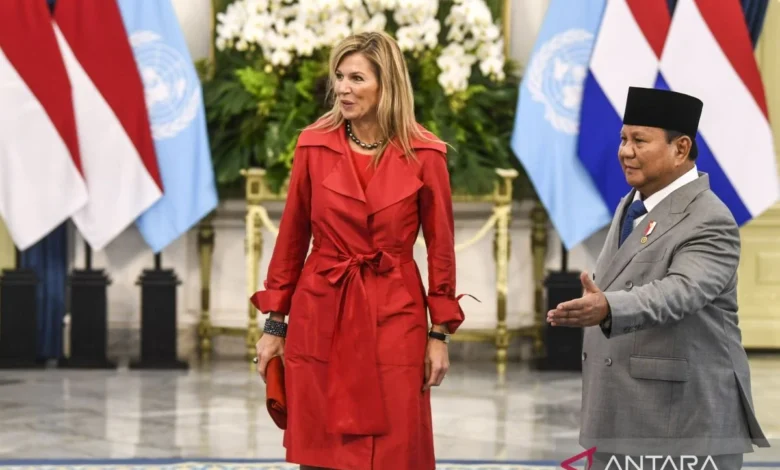
Jakarta (ANTARA) – Queen Máxima of the Netherlands recently concluded a pivotal and extensive working visit to Indonesia, spanning from Monday, November 24, to Thursday, November 27, 2025. Her presence in the Southeast Asian nation was not in her capacity as the reigning monarch of the Netherlands but rather in her crucial international role as the United Nations Secretary-General’s Special Advocate (UNSGSA) for Inclusive Finance for Development. This distinction underscored the focused agenda of her mission, which centered on advancing financial health and inclusive financial systems to foster sustainable development and enhance the economic well-being of communities throughout Indonesia.
The comprehensive itinerary for her latest visit, her fifth to Indonesia, was meticulously designed to delve into various facets of financial inclusion, engaging with a diverse array of stakeholders from government officials and policymakers to local communities, entrepreneurs, and financial service providers. Her mission, which particularly emphasized the promotion of financial resilience and prosperity, saw her traverse multiple regions, including the industrial heartland of Sragen and the cultural hub of Solo in Central Java, the bustling capital city of Jakarta, and the burgeoning suburban district of Bekasi in West Java. This geographical spread allowed for a nuanced understanding of both urban and rural challenges and successes in financial inclusion.
The Enduring Mandate of the UNSGSA and Indonesia’s Strategic Importance
Queen Máxima’s role as UNSGSA, a position she has held since 2009, involves advocating globally for financial systems that are accessible, affordable, and appropriate for all, particularly for underserved populations such as women, smallholder farmers, and micro, small, and medium-sized enterprises (MSMEs). Her advocacy is rooted in the conviction that financial inclusion is a powerful enabler for achieving many of the Sustainable Development Goals (SDGs), including poverty eradication, gender equality, and decent work and economic growth. Indonesia, with its vast archipelago, diverse population exceeding 280 million, and rapidly developing economy, represents a critical case study and a significant partner in the global pursuit of universal financial inclusion. The country has made considerable strides in recent years, leveraging digital technologies and innovative policy frameworks to expand access to financial services. However, challenges persist, particularly in reaching remote areas and ensuring the quality and utility of financial products for all segments of society.
This latest visit marked Queen Máxima’s fifth engagement with Indonesia in her capacity as UNSGSA, highlighting a sustained commitment to the country’s financial development journey. Her previous visits as Special Advocate took place in 2012, 2016, and 2018, each building upon prior discussions and observing the progress made. Beyond her UNSGSA duties, she also accompanied King Willem-Alexander during a state visit to Indonesia in 2020, demonstrating the enduring bilateral ties between the Netherlands and Indonesia. Born on May 17, 1971, Queen Máxima Zorreguieta Cerruti married King Willem-Alexander in 2002 in Amsterdam, the Netherlands, bringing her extensive background in international finance and emerging markets to her royal and advocacy roles.
Detailed Chronology of the 2025 Visit: A Deep Dive into Financial Inclusion Initiatives
The three-day working visit unfolded with a series of strategically planned engagements, each designed to highlight different aspects of financial inclusion and health across Indonesia.
Tuesday, November 25: Focus on Local Economies and Women’s Empowerment
The Queen commenced her visit in Central Java, a region renowned for its vibrant local economies and traditional crafts. Her first stop was a garment factory in Sragen Regency. This visit provided a firsthand look at the working conditions and financial realities of industrial laborers, many of whom are vital contributors to the local economy. Discussions likely revolved around the importance of formal financial channels for wage disbursement, access to savings, credit for personal development, and insurance products that enhance worker resilience against economic shocks. The factory setting offered a practical context for understanding how financial health directly impacts productivity and employee welfare in the manufacturing sector.
Following her engagement in Sragen, Queen Máxima proceeded to Kampung Batik Laweyan in Solo City, a historic center for traditional Indonesian batik production. Here, the focus shifted to the challenges and opportunities faced by micro and small entrepreneurs, particularly those in the creative industries. She engaged with local batik artisans and business owners, delving into their experiences with financial services. Key discussion points included access to capital for business expansion, digital payment solutions for sales and supply chain management, and financial literacy programs tailored to the needs of traditional craftspeople. The visit to Laweyan underscored the critical role of financial inclusion in preserving cultural heritage while fostering economic growth at the grassroots level.
The day culminated with her attendance at a Women’s World Banking event held at Pura Mangkunegaran, Solo. This significant gathering brought together young individuals, university students, and women entrepreneurs. The agenda centered on interactive dialogues where participants shared their personal experiences in utilizing financial products and services. Women’s World Banking, a global non-profit dedicated to women’s economic empowerment through financial inclusion, often focuses on designing financial solutions that address the specific needs of women, who are frequently underserved by traditional financial institutions. Queen Máxima’s presence amplified the importance of gender-inclusive financial strategies, recognizing that empowering women financially has a ripple effect on families and communities, contributing significantly to national development. Conversations likely touched upon microfinance, digital wallets, and tailored credit products that facilitate women’s entrepreneurship and financial independence.
Wednesday, November 26: Engaging Global Partners and Innovative Housing Solutions
Day two of the visit began in Jakarta, where Queen Máxima participated in a roundtable discussion with development organizations at the local United Nations office. This meeting served as a crucial platform for strategic dialogue, bringing together various UN agencies and international non-governmental organizations operating in Indonesia. The discussions focused on coordinating efforts to promote financial inclusion, sharing best practices, identifying systemic barriers, and exploring collaborative strategies to accelerate progress towards the SDGs. Such multi-stakeholder engagements are vital for ensuring a coherent and impactful approach to development challenges.
Later in the morning, she visited the International Finance Corporation (IFC), a member of the World Bank Group. The IFC plays a significant role in fostering private sector development in emerging markets by providing investment, advisory services, and asset management. Her discussions with IFC representatives likely centered on innovative lending models and investment strategies that contribute to economic growth and enhance financial health, particularly for MSMEs and climate-smart projects. The conversation would have explored how the IFC’s financial instruments and expertise can further support Indonesia’s financial inclusion agenda, especially in areas requiring significant capital injection for sustainable development.
The afternoon saw Queen Máxima travel to Gran Harmoni Cibitung, a subsidized housing complex in Bekasi Regency, West Java. This visit highlighted an innovative approach to providing low-emission housing for low and middle-income communities. She personally visited a resident’s home and interacted with representatives of first-time homebuyers, gaining insights into their journey towards homeownership and the financial mechanisms supporting it. A particularly noteworthy aspect of this visit was her observation of a waste bank (bank sampah), which offered an alternative method for residents to pay their housing installments by converting sorted waste into monetary value. This ingenious model not only promotes environmental sustainability but also provides a flexible and accessible payment solution for low-income households, showcasing the power of integrated financial and environmental solutions. She also observed the process of signing sale and purchase agreements for dozens of prospective homeowners, underscoring the tangible impact of these programs on individuals’ lives.
The day concluded back in Jakarta with a visit to Deloitte Indonesia, where Queen Máxima engaged with employers. The discussions focused on how corporations can contribute to the financial health of their employees and clients. Topics likely included employee financial literacy programs, access to affordable financial products through employers, and the role of corporate social responsibility in fostering broader financial well-being. This engagement highlighted the private sector’s crucial role in creating a financially resilient workforce and client base, extending the reach of financial inclusion beyond traditional banking channels.
Thursday, November 27: Policy Dialogue and High-Level Consultation
On the final day of her visit, Queen Máxima participated in a key agenda focused on financial literacy alongside Indonesia’s primary financial authorities: Otoritas Jasa Keuangan (OJK – Financial Services Authority), Bank Indonesia (BI – Central Bank), and the Ministry of Finance (Kemenkeu RI). This high-level forum was critical for discussing national strategies to enhance financial literacy and consumer protection, which are foundational pillars of effective financial inclusion. The dialogue likely covered policy frameworks, digital literacy initiatives, and regulatory innovations aimed at safeguarding consumers while expanding access to financial education. The collaborative efforts of these institutions are central to creating a robust and trustworthy financial ecosystem.
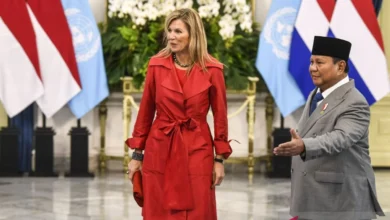
The culmination of Queen Máxima’s visit was a significant meeting with President of the Republic of Indonesia, Prabowo Subianto, at the Istana Merdeka (Merdeka Palace) in Jakarta. During this high-profile encounter, she formally conveyed her findings, observations, and impressions gathered throughout her extensive tour. The meeting, which included a private one-on-one discussion and a luncheon, provided an opportunity for the Queen to share insights on the progress and remaining challenges in Indonesia’s financial inclusion landscape from an international perspective. President Prabowo, in turn, would have reaffirmed Indonesia’s commitment to advancing financial inclusion as a key component of its national development agenda, appreciating the Queen’s sustained advocacy and the Netherlands’ partnership. Such high-level dialogues are instrumental in reinforcing international cooperation and fostering policy alignment to achieve shared development goals.
Supporting Data and Indonesia’s Financial Inclusion Journey
Indonesia has made remarkable progress in financial inclusion over the past decade. According to the Financial Services Authority (OJK), the financial inclusion index in Indonesia reached 85.10 percent in 2022, a significant increase from 76.19 percent in 2019 and a mere 67.8 percent in 2016. This growth has been largely driven by the rapid adoption of digital financial services, particularly mobile banking and e-wallets, which have expanded access to unbanked populations in both urban and rural areas. However, the financial literacy index, though improving, still lags behind inclusion at 49.68 percent in 2022. This disparity highlights the critical need for continued efforts in financial education to ensure that increased access translates into meaningful financial health and responsible usage of financial products.
MSMEs, which constitute over 99% of businesses and contribute more than 60% to Indonesia’s GDP, remain a priority sector for financial inclusion initiatives. Many still face difficulties accessing formal credit and insurance, limiting their growth potential. Women, despite their growing participation in the workforce and entrepreneurship, also continue to face specific barriers to financial access and control, making programs like those highlighted at the Women’s World Banking event crucial. The innovative waste bank model in Bekasi, for instance, addresses both financial access and environmental sustainability, reflecting a holistic approach that resonates with the UNSGSA’s mandate.
Official Responses and Broader Implications
While specific real-time statements from Indonesian officials during this future event are speculative, it is highly probable that government representatives would express profound appreciation for Queen Máxima’s visit and her ongoing advocacy. Officials from OJK, Bank Indonesia, and the Ministry of Finance would likely reiterate their commitment to achieving universal financial inclusion and enhancing financial literacy, perhaps highlighting new policy initiatives or regulatory frameworks. They might emphasize the role of digital transformation, fintech innovations, and public-private partnerships in reaching underserved segments.
President Prabowo Subianto would likely underscore Indonesia’s strategic vision for economic development, where financial inclusion serves as a foundational element for poverty reduction, equitable growth, and building a resilient economy. His discussions with Queen Máxima would reinforce Indonesia’s position as a key player in global efforts to achieve the SDGs and its openness to international collaboration and knowledge exchange.
From the perspective of the UNSGSA, Queen Máxima’s remarks would likely commend Indonesia’s advancements in financial inclusion, particularly its innovative approaches and commitment to leveraging technology. She would also likely emphasize the remaining challenges, such as the need to deepen financial literacy, ensure robust consumer protection, and develop tailored products that meet the diverse needs of different population segments. Her advocacy consistently calls for a focus on the quality of financial inclusion, not just the quantity, stressing the importance of financial health – ensuring people can manage their daily finances, cope with emergencies, and invest in their future.
The broader implications of such a high-profile visit are multifaceted. Firstly, it elevates the global profile of financial inclusion as a critical development agenda, drawing international attention and potential investment to Indonesia’s efforts. Secondly, the interactions facilitate direct knowledge exchange, allowing Indonesian policymakers and practitioners to learn from global best practices and for the UNSGSA to gain insights into local innovations. Thirdly, it can catalyze domestic policy reforms and reinforce political will to prioritize financial inclusion initiatives, particularly in areas highlighted during the visit, such as housing finance for low-income groups, support for MSMEs, and women’s economic empowerment. Finally, the visit strengthens bilateral ties between Indonesia and the Netherlands, transcending traditional diplomatic relations to encompass shared development goals and mutual learning in the pursuit of a more equitable and prosperous world. The continued engagement of Queen Máxima in her UNSGSA capacity serves as a powerful testament to the transformative potential of inclusive finance in achieving sustainable development goals on a global scale.