
Crispy Oven Baked Bacon
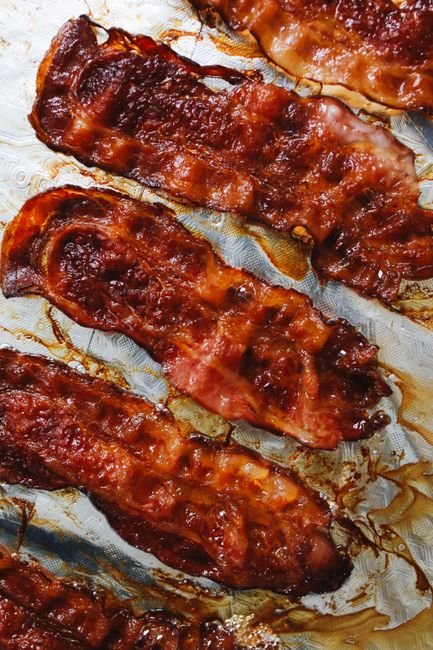
The Ultimate Guide to Crispy Oven Baked Bacon: Achieving Perfection Every Time
Achieving truly crispy oven-baked bacon is a culinary holy grail for many, a pursuit of that perfect balance between rendered fat and a satisfying shatter. Unlike pan-frying, which often leads to uneven cooking, splattering grease, and the risk of burning, oven baking offers a remarkably consistent and less messy approach. This method elevates bacon from a breakfast staple to a gourmet experience, ideal for topping salads, sandwiches, or simply enjoying on its own. The key lies in understanding the science behind fat rendering and heat application, allowing you to transform humble strips into edible works of art.
The foundation of exceptionally crispy oven-baked bacon is the quality of the bacon itself. While any bacon can be baked, certain types lend themselves better to achieving that coveted crispness. Look for thicker-cut bacon, often labeled as "slab bacon" or "steakhouse cut." The increased fat content in thicker cuts allows for more thorough rendering, leaving behind a more substantial, brittle crispness once the fat has been cooked away. Avoid pre-cooked or thinly sliced bacon, as these tend to become overly dry and brittle rather than satisfyingly crisp. Opt for uncured, sugar-free, or minimally processed bacon if you prioritize a purer flavor profile and are mindful of added ingredients. The marbling, the white streaks of fat interspersed with the red muscle, is your visual indicator of potential crispness. More marbling generally translates to more fat to render, leading to a superior crispy texture.
Preparation is paramount for oven-baked bacon. While it might seem intuitive to simply lay bacon strips on a baking sheet, there are crucial steps that elevate the outcome. Begin by lining a rimmed baking sheet with parchment paper or aluminum foil. This not only facilitates easy cleanup but also helps to contain any rendered grease. For an even crispier result, consider investing in a wire baking rack that fits inside your rimmed baking sheet. Placing the bacon on the rack allows air to circulate around all sides of the strips, promoting uniform cooking and rendering. The grease will drip down through the rack, preventing the bacon from sitting in its own rendered fat, which can lead to sogginess. Ensure the bacon strips are not overlapping; this is a common mistake that leads to steaming rather than crisping. If you are baking a large quantity, use multiple baking sheets or multiple racks.
The temperature and time are critical variables in the oven-baking process. A common and effective temperature range for achieving crispy bacon is between 375°F (190°C) and 400°F (200°C). Lower temperatures might result in bacon that is too chewy, while excessively high temperatures risk burning before the fat has adequately rendered. A good starting point is 400°F (200°C). The cooking time will vary depending on the thickness of your bacon, the specific oven, and your desired level of crispness. Generally, thicker cuts will take longer than thinner cuts. Expect a cooking time of 15 to 25 minutes for medium-thick bacon. It is crucial to monitor the bacon closely, especially during the latter stages of cooking. The transition from perfectly crisp to burnt can happen very quickly. Visually, you are looking for the bacon to be a deep, golden-brown color with visibly reduced fat.
A crucial technique for maximizing crispness involves the initial treatment of the bacon. Some enthusiasts swear by a brief pre-bake period at a slightly lower temperature before increasing it to achieve crispness. Others advocate for starting with a cold oven and letting the bacon heat up gradually with the oven. However, for most home cooks seeking reliable crispness, preheating the oven to the chosen temperature (400°F / 200°C) and then placing the prepared bacon inside is the most straightforward and effective method. The initial blast of heat helps to begin the rendering process efficiently. As the bacon cooks, you will notice the fat rendering out. The key is to allow this rendering to occur thoroughly.
Emerging from the oven, the bacon will appear cooked, but its true crispness will develop as it cools. Immediately after removing the baking sheet from the oven, transfer the bacon strips to a plate lined with paper towels. This step is vital for absorbing any residual grease that could compromise the final crisp texture. As the bacon cools, the rendered fat will solidify, and the meat fibers will contract, resulting in that characteristic shatter. Resist the urge to eat it straight from the oven; patience is rewarded with superior crispness. The cooling process can take anywhere from 5 to 10 minutes. You will hear a subtle crackling sound as it cools, a testament to its developing crispness.
Seasoning is an often overlooked aspect of oven-baked bacon. While bacon is inherently flavorful, a few strategic additions can amplify its deliciousness and contribute to its crispness. A light dusting of black pepper before baking can add a delightful counterpoint to the salty, fatty flavor. For those who enjoy a touch of heat, a sprinkle of cayenne pepper or red pepper flakes can elevate the bacon to a new level. Brown sugar or maple syrup, applied sparingly, can create a candied effect, adding sweetness and a caramelized crust, though this also increases the risk of burning, so vigilance is key. Consider a rub of smoked paprika for an extra smoky depth. Always apply seasonings evenly to ensure consistent flavor and texture.
Understanding the role of fat rendering is fundamental to achieving crispy bacon. Bacon is essentially a combination of lean meat and fat. When exposed to heat, the fat begins to melt and liquefy, rendering out of the meat. This process not only reduces the overall fat content but also allows the meat fibers to become more brittle and less chewy. The oven’s consistent, dry heat is ideal for this process, as it allows the fat to escape without the moisture that can lead to steaming and sogginess. The wire rack plays a crucial role here, allowing the rendered fat to drip away from the bacon, preventing it from reabsorbing the grease. This continuous removal of fat is what ultimately leads to that satisfying crisp.
Troubleshooting common issues is essential for mastering oven-baked bacon. The most frequent problem is uneven cooking. This is often caused by overcrowding the baking sheet, preventing adequate heat circulation. Ensure each bacon strip has ample space. Another issue is bacon that is too chewy. This usually indicates insufficient cooking time or a temperature that was too low, preventing adequate fat rendering. Conversely, burnt bacon is a sign of overcooking or a temperature that was too high. Always err on the side of caution and check your bacon frequently, especially if it’s your first time using a new oven or a different cut of bacon. If one end of your bacon is cooking faster than the other, you can try rotating the pan halfway through the cooking process.
Beyond the standard preparation, advanced techniques can further refine your crispy bacon. Some chefs advocate for a brief blanching of the bacon in hot water before baking. This supposedly helps to release some of the salt and fat, leading to a cleaner flavor and potentially crisper texture, though this method is debated and can sometimes lead to a less intense bacon flavor. Another technique involves scoring the bacon strips lightly with a sharp knife before baking. This can help to encourage more even rendering. For those who enjoy a smoky flavor without using smoked bacon, a sprinkle of liquid smoke can be added to the bacon before baking, but use this sparingly as it can be overpowering.
The versatility of perfectly crispy oven-baked bacon cannot be overstated. It serves as an indispensable ingredient in countless dishes. Crumble it over salads for a salty, textural contrast. Layer it onto sandwiches and burgers for an added dimension of flavor and crunch. It’s a classic accompaniment to eggs, pancakes, and waffles. For a truly decadent treat, use it as a topping for baked potatoes or mac and cheese. Its ability to add a savory, crispy element makes it a sought-after ingredient in appetizers, such as bacon-wrapped dates or jalapeño poppers. The possibilities are truly endless, making the effort to achieve perfect crispness a worthwhile endeavor.
Cleaning up after baking bacon in the oven is significantly easier than pan-frying. The parchment paper or aluminum foil lining of the baking sheet will catch most of the rendered grease. Once cooled, you can simply fold up the lining and discard it, or pour the cooled grease into a heat-safe container for later use or disposal. The wire rack can be washed in hot, soapy water. If any stubborn bits of grease remain on the baking sheet, a quick soak or the use of a degreasing dish soap should suffice. Proper cleanup ensures your kitchen remains free of greasy residue and lingering odors.
For those seeking to optimize their oven-baked bacon for specific dietary needs, consider the sourcing of your bacon. Opt for uncured bacon for a product free from nitrates and nitrites, which are often a concern for health-conscious consumers. Sugar-free bacon options are also readily available, catering to those managing carbohydrate intake. The oven-baking method itself is inherently healthier than pan-frying as it allows for a significant amount of fat to drain away, reducing the overall fat content of the final product.
The science behind achieving crispy oven-baked bacon lies in the controlled rendering of fat. As the temperature of the oven increases, the fat within the bacon strips melts and liquefies. This rendered fat then slowly evaporates or drips away from the meat. The dry heat of the oven, particularly when combined with air circulation from a wire rack, promotes this evaporation. The leanness of the meat, once freed from its fatty casing, becomes more susceptible to drying out and becoming brittle. The goal is to achieve a point where the majority of the fat has been rendered, leaving behind a lean, dehydrated, and therefore crispy meat structure. Overcooking pushes this dehydration too far, leading to burnt and bitter flavors.
Experimentation with different bacon brands and thickness will reveal your personal preference for the perfect crispy oven-baked bacon. What one person considers perfectly crisp, another might find slightly too brittle or not crisp enough. Don’t be afraid to adjust the cooking time and temperature based on your observations and taste. Keeping a culinary journal can be helpful, noting the brand of bacon, the temperature, the time, and the resulting texture. This systematic approach will lead you to your ultimate crispy bacon nirvana. The satisfaction derived from consistently producing perfectly crispy oven-baked bacon is immense, transforming a simple ingredient into a culinary triumph that elevates any meal.
