
Char Siu Bao Steamed Bbq Pork Buns 2
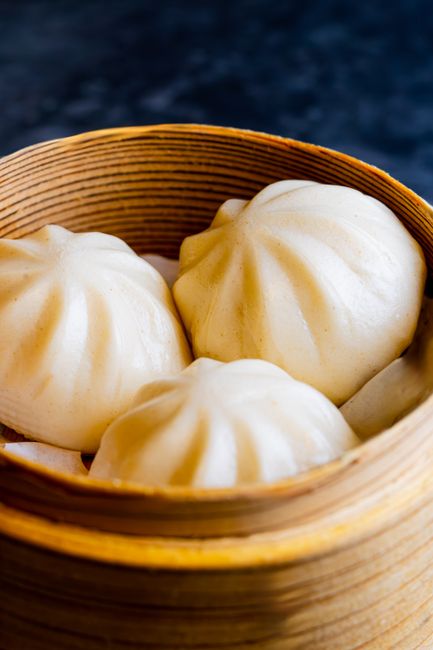
Char Siu Bao (Steamed BBQ Pork Buns): A Deep Dive into the Beloved Chinese Delicacy
Char siu bao, the iconic steamed Chinese BBQ pork bun, represents a culinary cornerstone in dim sum culture and a beloved street food across East Asia. Its irresistible combination of a pillowy-soft, slightly sweet steamed bun encasing a savory, sticky-sweet char siu pork filling creates a sensory experience that is both comforting and uniquely satisfying. This article will explore the multifaceted appeal of char siu bao, delving into its history, the intricate components that define it, its culinary significance, and practical considerations for preparation and enjoyment. From the precise art of crafting the dough to the rich umami of the char siu filling, understanding char siu bao offers a window into the soul of Cantonese cuisine.
The char siu pork, the heart of the bao, is paramount to its success. Traditionally, pork shoulder or belly is marinated in a distinctive blend of ingredients that impart its signature flavor and color. Key components of the char siu marinade include: honey or maltose for sweetness and caramelization, soy sauce for its salty depth, hoisin sauce for its complex sweet and savory profile, Shaoxing wine for aroma and tenderization, and five-spice powder for its warm, aromatic complexity. Garlic and ginger are often included to provide pungent freshness and further enhance the savory notes. The pork is then roasted at high heat, allowing the sugars in the marinade to caramelize, creating a slightly charred exterior and a glossy, lacquered finish that is characteristic of authentic char siu. The meat’s texture is also crucial, aiming for tender, juicy pieces that are not overly fatty but retain enough richness to complement the bun. The cooking process requires careful monitoring to prevent drying out, ensuring each bite is succulent.
The dough for char siu bao is equally important, demanding a delicate balance to achieve its signature fluffy and slightly chewy texture. A standard steamed bun dough is typically made with all-purpose flour, yeast for leavening, sugar for a subtle sweetness and to feed the yeast, and water or milk. The use of baking powder in conjunction with yeast is common in many char siu bao recipes, contributing to a lighter, airier crumb and a quicker rise. Lard or vegetable oil is often incorporated to enhance tenderness and a smooth mouthfeel. The kneading process is critical, developing the gluten structure that allows the bun to expand beautifully during steaming and maintain its shape without becoming dense. The dough undergoes at least one proofing period, allowing the yeast to ferment and produce carbon dioxide, resulting in the characteristic airy texture. Some recipes also incorporate a small amount of alkaline water or lye solution into the dough, a technique borrowed from traditional Chinese bread making, which contributes to a whiter color and a distinct bouncy texture.
The assembly of char siu bao involves carefully wrapping the prepared char siu filling within the leavened dough. The goal is to create a neat, rounded bun that fully encases the filling, preventing it from leaking during steaming. The dough is typically divided into portions, flattened into discs, and then a generous spoonful of the char siu mixture is placed in the center. The edges of the dough are then gathered and pleated upwards, creating a sealed package. The pleating technique can vary, with some favoring simple gathers while others employ more intricate decorative pleats. This careful folding not only ensures the filling is secure but also contributes to the visual appeal of the finished bao. The assembled buns are then allowed a final brief proofing period before being steamed.
Steaming is the defining cooking method for char siu bao and is essential for achieving its characteristic texture. The buns are placed in a steamer basket, typically over rapidly boiling water. The steam penetrates the dough, causing it to puff up and cook through, resulting in a soft, yielding exterior. Proper steaming is crucial to avoid soggy bottoms or undercooked centers. The steaming time will vary depending on the size of the buns and the efficiency of the steamer, but it is generally in the range of 10-15 minutes. The steam also helps to keep the filling moist and flavorful. High heat and continuous steam are vital for optimal results.
The flavor profile of char siu bao is a complex interplay of sweet, savory, and aromatic notes. The char siu filling, with its caramelized sugars and savory soy sauce base, provides a rich umami punch. The slight sweetness of the dough acts as a perfect counterpoint, preventing the filling from being overwhelmingly salty. The subtle aroma of five-spice powder and Shaoxing wine adds layers of complexity. The textural contrast between the pillowy bun and the tender, slightly chewy pork further enhances the eating experience. This harmonious balance of flavors and textures is what makes char siu bao so universally appealing.
The cultural significance of char siu bao cannot be overstated. It is an integral part of the Cantonese dim sum experience, traditionally served with tea and enjoyed as part of a shared meal. Dim sum, meaning "to touch the heart," is a style of Chinese cuisine prepared as small, bite-sized portions served in small dishes or bamboo steamers. Char siu bao is a staple on most dim sum menus, representing comfort, tradition, and communal dining. Beyond dim sum, char siu bao is also a popular street food in Hong Kong and other parts of Asia, often found in bakeries and food stalls, making it an accessible and beloved treat for people of all ages.
Variations of char siu bao exist, although the steamed version with the traditional char siu filling is the most recognized. Some bakeries may offer baked char siu bao, which have a slightly crispier, golden-brown exterior similar to a pastry. These are distinct in texture and flavor but retain the beloved char siu filling. Other regional variations might involve slight alterations to the marinade or dough recipe, catering to local palates. However, the fundamental essence of the fluffy bun and savory pork filling remains consistent.
For those looking to recreate char siu bao at home, several resources are available, from detailed online recipes to cookbook guides. Key considerations for home cooks include sourcing high-quality ingredients, particularly the pork cut and the essential marinade components. Patience is also a virtue, as proofing the dough correctly is vital for achieving the desired texture. Mastering the pleating technique can take practice, but even a simpler fold will result in a delicious outcome. Understanding the steaming process and ensuring adequate heat and steam are crucial for success. Many recipes recommend preparing the char siu filling in advance, allowing the flavors to meld and deepen.
The nutritional profile of char siu bao is influenced by its components. The pork filling provides protein and fat, while the dough contributes carbohydrates. The sugar in the marinade and dough adds to the caloric content. As with many dim sum items, char siu bao is best enjoyed in moderation as part of a balanced diet. The savory nature of the filling can also contribute to sodium intake, so it’s worth being mindful of this.
The market for char siu bao is robust, reflecting its enduring popularity. It is a readily available item in Chinese restaurants and bakeries worldwide, from bustling metropolitan centers to smaller towns. Its appeal transcends cultural boundaries, making it a familiar and comforting food for many. The demand for authentic and high-quality char siu bao continues to drive innovation and dedication from chefs and home cooks alike.
In conclusion, char siu bao is far more than just a steamed bun; it is a culinary masterpiece that embodies the heart of Cantonese cuisine. Its appeal lies in the perfect harmony of its components: the tender, flavorful char siu pork, the cloud-like steamed bun, and the delicate balance of sweet and savory flavors. From its rich history to its continued presence on tables around the globe, char siu bao remains a timeless and cherished delicacy, offering a delicious and comforting experience with every bite. Its SEO-friendly nature stems from its widely recognized name, its association with popular search terms like "dim sum," "Chinese food," and "pork buns," and its appeal to a broad audience interested in Asian cuisine.
