
Category Asian Cuisine Culinary Traditions
Asian Cuisine Culinary Traditions: A Comprehensive SEO-Friendly Exploration
Asian cuisine represents a vast and intricately interwoven tapestry of culinary traditions, forged over millennia through diverse geographical landscapes, historical migrations, religious practices, and economic exchanges. This category encompasses an astonishing array of flavors, ingredients, cooking techniques, and philosophical underpinnings that distinguish regional specialties and create a global gastronomic phenomenon. Understanding the core tenets of Asian culinary traditions requires a deep dive into the distinct yet interconnected food cultures of East Asia (China, Japan, Korea), Southeast Asia (Thailand, Vietnam, Malaysia, Indonesia, Philippines), and South Asia (India, Pakistan, Bangladesh, Sri Lanka, Nepal). Each region, and indeed each country within these regions, boasts a unique identity shaped by its agricultural bounty, climate, historical interactions with neighboring cultures, and evolving societal norms. The unifying thread across this immense diversity is a profound respect for ingredients, a meticulous approach to preparation, and a deep cultural significance embedded within the act of eating.
East Asian culinary traditions, broadly defined, share a common reliance on staple grains like rice and wheat, alongside the ubiquitous use of soy products. Chinese cuisine, arguably the most influential in the region, is characterized by its regional diversity, with distinct styles like Cantonese (focus on freshness, steaming, and light seasoning), Sichuan (spicy and bold flavors from chili peppers and Sichuan peppercorns), Shandong (savory and rich, emphasizing seafood and soups), and Jiangsu (delicate, fresh, and often sweet flavors). Key cooking methods include stir-frying, steaming, braising, and deep-frying. The concept of "wok hei," the smoky aroma and complex flavor imparted by a seasoned wok over high heat, is central to many Chinese dishes. Fermentation plays a vital role, evident in soy sauce, vinegar, bean paste, and preserved vegetables, all contributing to the depth and complexity of flavors. The philosophical underpinnings of Chinese food often relate to balance, particularly the five flavors: sweet, sour, salty, bitter, and umami, and their connection to the five elements and bodily organs.
Japanese cuisine, while sharing some foundational elements with Chinese cooking, has developed a distinct aesthetic and philosophical approach. Emphasis is placed on seasonality, freshness, and the inherent flavor of ingredients, often minimally manipulated. "Umami," the savory fifth taste, is a cornerstone, achieved through ingredients like dashi (kombu and katsuobushi broth), soy sauce, and shiitake mushrooms. Presentation is paramount, with a focus on visual harmony and balance, reflecting principles of wabi-sabi, the appreciation of imperfection and transience. Key dishes include sushi and sashimi, showcasing the quality of raw seafood; tempura, a light and crispy batter-fried preparation; ramen, a complex noodle soup; and various grilled, simmered, and pickled dishes. The meticulous preparation of rice, often served plain as a perfect accompaniment, is fundamental.
Korean cuisine is renowned for its bold, pungent, and often fermented flavors, with kimchi, a fermented cabbage dish, standing as its national emblem. The use of gochujang (red chili paste) and gochugaru (red chili flakes) is prevalent, contributing to the characteristic spiciness of many dishes. Fermentation is a cornerstone, extending beyond kimchi to include doenjang (soybean paste) and ganjang (soy sauce), all essential for building complex flavor profiles. Korean meals are typically served with a multitude of banchan, small side dishes that complement the main courses, providing a diverse and interactive dining experience. Bulgogi (marinated grilled beef) and bibimbap (mixed rice with vegetables and meat) are internationally recognized. The concept of "eumyangohaeng," the balance of yin and yang and the five elements, also influences Korean culinary philosophy.
Southeast Asian culinary traditions are characterized by their vibrant use of fresh herbs, spices, and aromatics, often influenced by trade routes and historical interactions with India, China, and the Middle East. Thai cuisine is celebrated for its harmonious blend of sweet, sour, salty, and spicy flavors, achieved through ingredients like lemongrass, galangal, kaffir lime leaves, chili peppers, fish sauce, and palm sugar. The balance of these elements in dishes like Tom Yum soup, Pad Thai, and Green Curry is crucial. Coconut milk is a frequent ingredient, adding richness and creaminess. Vietnamese cuisine, while also employing fresh herbs like cilantro and mint, tends to be lighter and more subtle in its flavor profiles, with a strong emphasis on fresh ingredients and a delicate balance. Pho, a fragrant noodle soup, and Banh Mi, a Vietnamese sandwich, are globally recognized. The use of fish sauce is fundamental, providing a savory depth.
Malaysian and Indonesian cuisines share a common heritage, particularly in their use of spices like turmeric, cumin, coriander, and chili. The iconic dish of Nasi Lemak (coconut rice with various accompaniments) in Malaysia and Rendang (a slow-cooked spiced meat dish) in Indonesia exemplify the rich, complex, and often intensely flavored nature of these cuisines. Satay, skewered and grilled meats served with a peanut sauce, is popular across the region. The influence of Indian and Middle Eastern spices is evident in the use of curries and the prevalence of rice as a staple. The Philippines offers a unique culinary landscape, influenced by indigenous traditions as well as Spanish and Chinese colonial histories. Adobo, a dish of meat stewed in soy sauce, vinegar, garlic, and peppercorns, is a national favorite. Sinigang, a sour soup, and Lechon, roasted suckling pig, are also iconic. The use of vinegar as a tenderizing and flavoring agent is characteristic.
South Asian culinary traditions, particularly Indian cuisine, are renowned for their intricate use of spices, creating complex and layered flavor profiles. The concept of "masala," a spice blend, is central to almost every dish, with variations ranging from simple to highly complex. Turmeric, cumin, coriander, cardamom, cloves, and cinnamon are foundational, with the addition of chili peppers providing heat. Regional variations are vast: North Indian cuisine often features dairy products like yogurt and ghee, with a focus on tandoori cooking and rich gravies. South Indian cuisine leans heavily on rice, lentils, and coconut, with an emphasis on vegetarian dishes and the use of tamarind for sourness. Bengali cuisine is known for its subtle sweetness and the use of mustard oil. Pakistani cuisine shares many similarities with North Indian cuisine, with a greater emphasis on meat dishes and a robust spice profile.
Common threads weave through all Asian culinary traditions, irrespective of regional distinctions. The emphasis on balance, not just in flavor but also in texture and color, is a recurring theme. The judicious use of aromatics like garlic, ginger, and onions forms the base for countless dishes. Fermentation, a technique that enhances digestibility and flavor, is a vital preservation method across many cultures. The philosophy of "food as medicine" or the belief that food can contribute to well-being and health is deeply ingrained in many Asian societies, often influencing ingredient choices and preparation methods. For instance, in Traditional Chinese Medicine and Ayurveda, specific ingredients are believed to possess particular energetic properties that can promote or restore balance within the body.
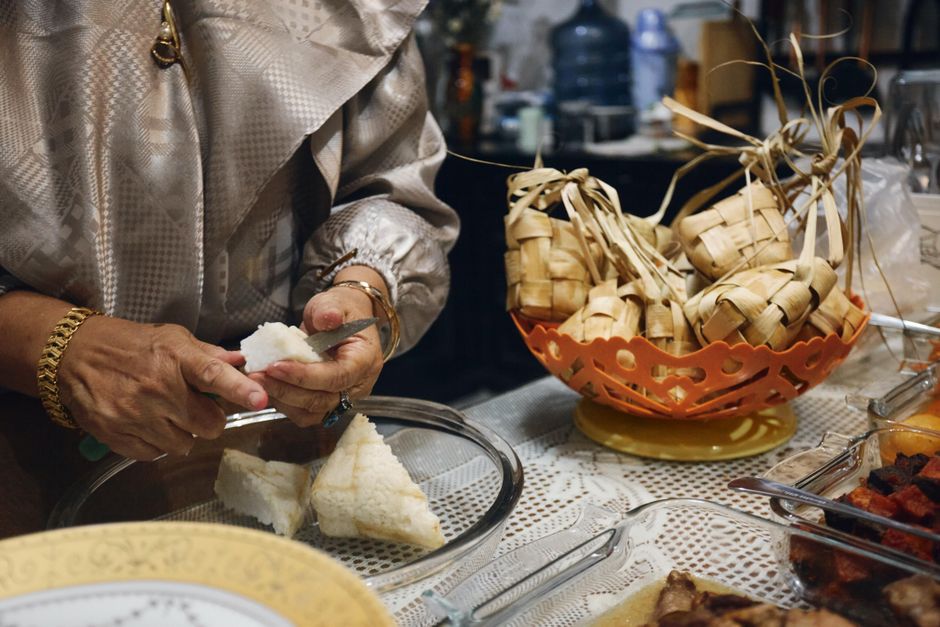
The economic and social significance of food in Asian cultures cannot be overstated. Meals are often central to family gatherings, celebrations, and social interactions. The communal aspect of eating, with dishes shared from a central table, fosters a sense of togetherness. The meticulous craftsmanship involved in preparing many Asian dishes, from the intricate folding of dumplings to the precise slicing of sashimi, reflects a deep respect for both the ingredients and the act of cooking itself. The global popularity of Asian cuisines has led to a continuous evolution and adaptation, with chefs and home cooks alike drawing inspiration from these rich and enduring culinary traditions. The ongoing exploration of Asian culinary traditions reveals a profound understanding of flavor, a deep connection to ingredients, and an unwavering commitment to the cultural and social importance of food. This rich heritage continues to inspire, delight, and nourish people worldwide, cementing its status as a cornerstone of global gastronomy.
