
Sweet Potato Pie I
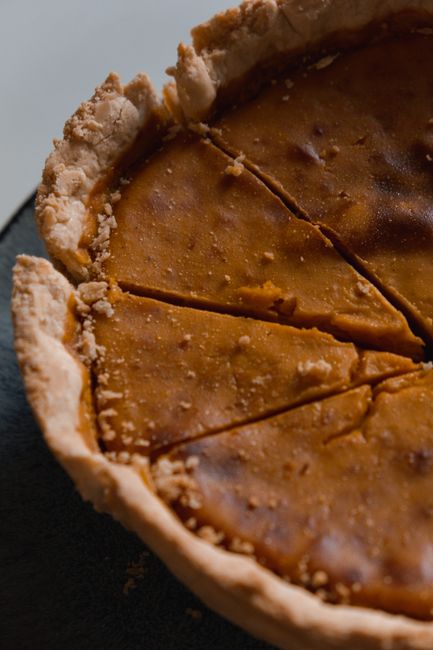
The Ultimate Guide to Sweet Potato Pie: History, Variations, and Perfect Baking
Sweet potato pie, a cornerstone of Southern cuisine and a beloved holiday dessert across America, boasts a rich history and a surprisingly diverse range of preparation methods. Its creamy, spiced filling cradled in a flaky crust offers a comforting sweetness that has cemented its status as a culinary icon. The humble sweet potato, a starchy tuber originating in the Americas, underwent a culinary transformation, moving from its savory applications to becoming the star of this iconic pie. Early colonial settlers in America encountered the sweet potato and, influenced by existing pie-making traditions, began to experiment with it. The readily available sugar and spices, coupled with the potato’s natural sweetness and smooth texture when cooked, paved the way for the creation of what we recognize today as sweet potato pie. Its popularity surged particularly in the American South, where sweet potatoes grew abundantly and the dessert became a staple, often appearing on tables during harvest festivals and, most notably, Thanksgiving. The evolution from a simple, baked mashed sweet potato to a more refined, spiced custard baked in a pastry shell is a testament to culinary ingenuity and the enduring appeal of this comforting dessert.
The classic sweet potato pie recipe, while seemingly straightforward, offers numerous avenues for personalization, influencing both flavor and texture. At its core, the pie relies on cooked and mashed sweet potatoes as the primary ingredient for the filling. The method of cooking the sweet potatoes significantly impacts the final pie. Baking them whole, often wrapped in foil, concentrates their sugars and imparts a deeper, more caramel-like flavor. Boiling or steaming, while faster, can result in a slightly more watery filling, requiring careful draining and potentially a thicker custard base. The texture of the mashed sweet potatoes is also paramount. A smooth, lump-free puree is essential for a velvety pie filling. This can be achieved by mashing with a fork, using a potato ricer for an exceptionally fine texture, or even briefly processing in a food processor. Beyond the sweet potato itself, the other key components of the filling are the binders, sweeteners, and spices. Eggs serve as a crucial binder, creating the custard-like consistency. Common sweeteners include granulated sugar, brown sugar, or a combination of both, with brown sugar contributing a molasses-like depth. Evaporated milk or heavy cream adds richness and creaminess, though some recipes opt for regular milk or even dairy-free alternatives. The spice profile is arguably what elevates sweet potato pie from a simple sweet dish to a complex and aromatic dessert. Cinnamon is the undisputed king, providing warmth and a classic pie spice flavor. Nutmeg, ginger, and cloves are common additions, working in harmony with cinnamon to create that signature autumnal aroma. Allspice can also be used for an extra layer of complexity. The precise ratio of these spices is a matter of personal preference, with some favoring a more pronounced spice presence and others a subtler hint.
Beyond the fundamental elements, regional variations and contemporary twists abound, showcasing the versatility of sweet potato pie. In the American South, you’ll often encounter "old-fashioned" recipes that prioritize simplicity and the natural sweetness of the potato, perhaps with less sugar and a focus on warm spices. Some Southern iterations might incorporate a touch of bourbon or rum for an added layer of flavor. In contrast, some modern recipes lean towards richer, more decadent fillings, employing ingredients like cream cheese for added tang and creaminess, or a double crust for enhanced textural contrast. Vegan and gluten-free adaptations have also gained significant traction, making this beloved dessert accessible to a wider audience. Vegan versions typically replace eggs with flax eggs or commercial egg replacers and utilize plant-based milks and creams, such as almond, soy, or coconut milk. For gluten-free sweet potato pie, the crust is the primary focus, with recipes utilizing gluten-free flour blends, almond flour, or even a nut-based crust. Another interesting variation involves the addition of marshmallows. A toasted marshmallow topping, reminiscent of marshmallow-sweet potato casserole, is a popular addition for many, adding a sweet, gooey, and slightly browned dimension to the pie. The careful balance of these ingredients and the chosen preparation methods ultimately dictates the final character of the sweet potato pie, offering a delightful array of options for every palate.
The crust, often overlooked in discussions of sweet potato pie, plays a vital role in the overall success of the dessert. A flaky, buttery crust provides a perfect counterpoint to the soft, creamy filling. Traditional pie crust recipes often rely on all-butter or a combination of butter and shortening for optimal flakiness and flavor. The key to a tender and flaky crust lies in keeping the fat cold and minimizing gluten development. This involves using cold butter and shortening, and incorporating them into the flour mixture until it resembles coarse crumbs. Overworking the dough can lead to a tough crust. Resting the dough in the refrigerator before rolling it out also helps relax the gluten and makes it easier to handle. For a single-crust pie, the bottom crust is typically blind-baked or par-baked before the filling is added. This process, which involves lining the pie shell with parchment paper and pie weights or dried beans, prevents the crust from becoming soggy from the wet filling. For a double-crust pie, the top crust can be a solid sheet, a lattice, or cut out into decorative shapes, adding visual appeal and textural variation. Beyond traditional pastry, alternative crusts offer exciting new dimensions. Graham cracker crusts, often found in cheesecakes, can lend a sweet, crumbly base that complements the sweet potato filling beautifully. Pre-made cookie crusts, such as gingersnap or shortbread, also provide convenient and flavorful alternatives. For a healthier or more allergy-friendly option, nut-based crusts, utilizing ground almonds, pecans, or walnuts, offer a delightful crunch and nutty flavor. The choice of crust significantly influences the overall flavor profile and textural experience of the sweet potato pie, allowing for further customization to suit individual preferences.
Achieving the perfect sweet potato pie involves a combination of understanding the ingredients, employing proper techniques, and a touch of culinary intuition. The quality of the sweet potatoes themselves is a critical starting point. Look for firm, smooth-skinned sweet potatoes without soft spots or blemishes. Different varieties of sweet potatoes can also yield slightly different results; some are naturally sweeter and drier than others. When mashing, ensure thoroughness to avoid any starchy lumps. Over-mashing, especially in a food processor, can sometimes lead to a gummy texture, so a brief pulse is often sufficient. The custard base should be well-whipped to incorporate air, which contributes to a lighter texture. However, avoid over-whipping, as this can cause the filling to puff up too much during baking and then crack. The temperature of the oven is also a crucial factor. A moderate oven temperature, typically around 350°F (175°C), is ideal for allowing the custard to set without overcooking the crust or causing the filling to overflow. Monitoring the pie during baking is essential. The center should be set but still have a slight jiggle. As it cools, it will continue to firm up. A common pitfall is overbaking, which can result in a dry, cracked filling. Conversely, underbaking will leave the center too runny. The pie is generally best served at room temperature or slightly chilled, allowing the flavors to meld and the texture to fully set. For optimal results, it’s often recommended to allow the pie to cool completely for several hours or even overnight before slicing. This allows the custard to stabilize and the flavors to deepen. Garnishes can further enhance the visual appeal and flavor profile. A dollop of whipped cream, a sprinkle of cinnamon, or candied pecans are classic choices that complement the sweetness and spice of the pie. The journey to a perfect sweet potato pie is a rewarding one, marked by attention to detail and a willingness to refine techniques.
The historical trajectory of sweet potato pie reveals its deep roots in American culinary heritage, evolving from simple necessity to a celebrated dessert. Its origins can be traced back to the indigenous peoples of the Americas, who cultivated and utilized the sweet potato for sustenance. European colonists, upon encountering this versatile tuber, integrated it into their own culinary traditions, which often involved baking fruits and vegetables into pies. Early recipes were likely far simpler than modern iterations, relying on the natural sweetness of the potato and a minimal amount of sugar and spices. The development of more refined baking techniques and the increased availability of ingredients like sugar and dairy in the colonies contributed to the evolution of the pie into a more complex and flavorful dessert. The American South, with its ideal climate for growing sweet potatoes, became a particularly fertile ground for the development and popularization of sweet potato pie. It became a staple at family gatherings, community events, and particularly during the holiday season, becoming inextricably linked with Thanksgiving celebrations. The accessibility and affordability of sweet potatoes made this dessert a beloved treat across various socioeconomic strata. Over time, regional variations emerged, reflecting local preferences for spice levels, sweetness, and crust ingredients. The mid-20th century saw further refinement of recipes, with the inclusion of evaporated milk and richer spices becoming more commonplace. The advent of processed ingredients also made pie-making more accessible to a wider audience. In recent decades, sweet potato pie has experienced a resurgence in popularity, fueled by a renewed appreciation for traditional Southern cuisine and a growing interest in comfort food. This has led to the development of numerous modern interpretations, including vegan, gluten-free, and creatively flavored variations, demonstrating the enduring appeal and adaptability of this classic dessert. The pie’s journey from a humble staple to a culinary icon is a testament to its deliciousness and its deep connection to American foodways.
The nutritional profile of sweet potato pie, while undeniably a treat, can be influenced by ingredient choices and portion sizes. Sweet potatoes themselves are a nutritional powerhouse, rich in beta-carotene, a precursor to Vitamin A, which is vital for vision, immune function, and cell growth. They also provide dietary fiber, essential for digestive health, and are a good source of various vitamins and minerals, including Vitamin C, potassium, and manganese. However, when transformed into a pie, the addition of sugar, butter, and eggs significantly alters its nutritional density. A traditional sweet potato pie is generally high in calories, carbohydrates (primarily from the sweet potato and sugar), and fat (from butter/shortening in the crust and richness in the filling). The sugar content can be substantial, contributing to the pie’s sweetness but also to its caloric intake. Portion control is therefore crucial for those mindful of their sugar and calorie consumption. Healthier adaptations often focus on reducing added sugars by relying more on the natural sweetness of the sweet potato, using alternative sweeteners like maple syrup or stevia in moderation, and opting for whole wheat or nut-based crusts to increase fiber and healthy fats. Using lower-fat dairy or plant-based milk alternatives can also help reduce the overall fat content. While sweet potato pie is not typically considered a health food, understanding its nutritional components allows for informed choices, whether in selecting a recipe, moderating consumption, or experimenting with healthier ingredient substitutions. The inherent nutritional benefits of the sweet potato are the foundation, but the celebratory nature of pie often involves indulgent additions that contribute to its calorie and sugar counts.
Sweet potato pie is not merely a dessert; it is a cultural artifact, imbued with history, tradition, and communal significance. Its presence on holiday tables, particularly during Thanksgiving, signifies a connection to heritage and shared experiences. For many, the aroma of baking sweet potato pie evokes cherished memories of family gatherings and celebrations. This dessert’s journey from indigenous staple to a symbol of American culinary identity is remarkable. Its adaptability has allowed it to transcend generations and culinary trends, remaining a beloved classic. The ritual of preparing and sharing sweet potato pie fosters a sense of continuity and belonging. Whether it’s a family recipe passed down through generations or a newly discovered variation, each slice offers a taste of history and a connection to shared culinary traditions. The sweet potato pie’s enduring popularity speaks to its universal appeal, offering comfort, sweetness, and a tangible link to the past. Its ability to adapt to modern dietary needs while retaining its core essence ensures its continued relevance in the culinary landscape. The sweet potato pie, in its many forms, continues to be a cherished emblem of comfort and celebration.
