Adonara Clash Leaves Three Dead, Seven Injured, 20 Homes Burned as Security Forces Bolster Presence in East Flores

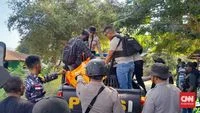
The remote Adonara Island in East Flores, East Nusa Tenggara (NTT), has been plunged into sorrow and unrest following a bloody communal clash that erupted on Saturday morning, July 18, leaving three individuals dead, seven wounded, and a devastating trail of destruction with at least 20 homes razed to the ground. As the dust begins to settle on the immediate violence, the full extent of the tragedy continues to unfold, with two of the seven injured victims still undergoing intensive medical treatment in regional hospitals, while a significant deployment of security forces aims to restore stability and prevent further escalation. The incident, which pitted two youth groups from Narasaosina Village and Waiburak Village in East Adonara District against each other, has prompted a robust response from law enforcement, with police initiating a thorough investigation to determine the underlying causes of the violent confrontation.
Immediate Aftermath and Casualties
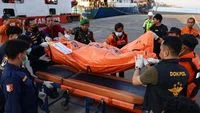
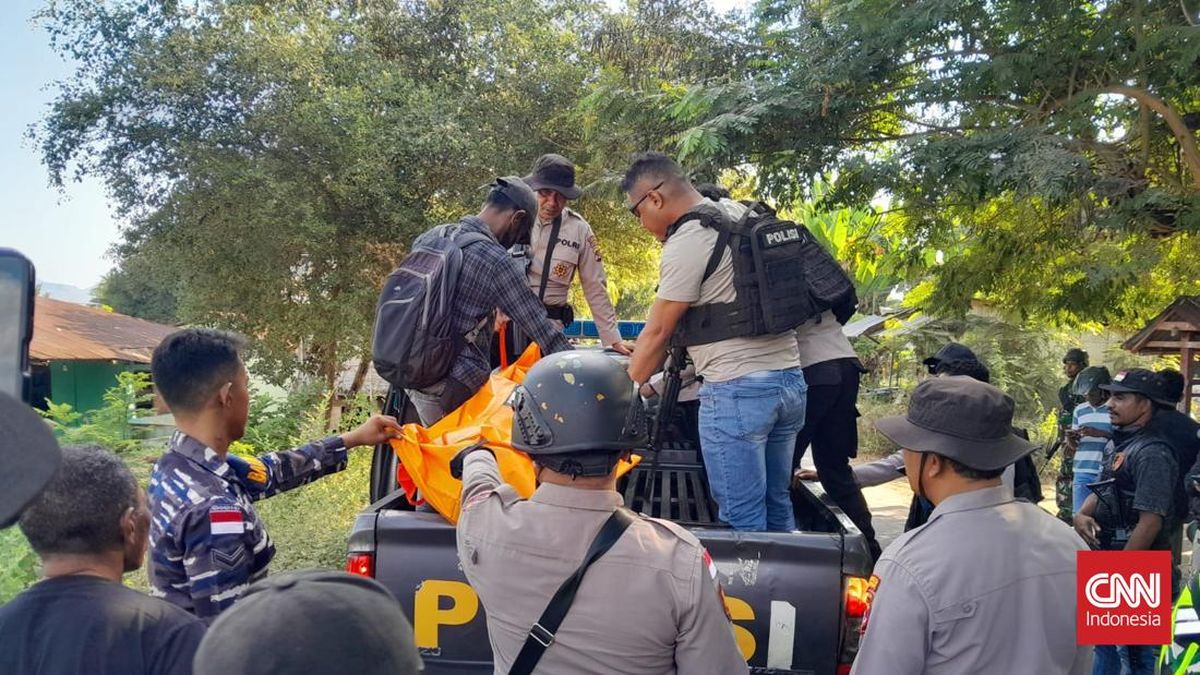
The clash, which began around 06:30 AM local time on Saturday, quickly escalated into a deadly confrontation, claiming the lives of three villagers. The deceased have been identified as Nayamudin Iskandar (21) from Waiburak Village, Petrus Kopong Epit from Narasaosina Village, and Hope (60), whose village affiliation was not immediately specified. Nayamudin Iskandar and Petrus Kopong Epit were laid to rest by their respective families on the very day of the incident, Saturday, July 18, reflecting the urgency and grief gripping the communities. The third victim, Hope, was interred the following morning, Sunday, July 19.
Beyond the fatalities, seven individuals sustained various degrees of injuries during the melee. Four of these victims initially required referral to more comprehensive medical facilities. Two were transported to RSUD Larantuka, the main general hospital in the capital of Flores Timur Regency, while another two were evacuated to Lewoleba, Lembata, for treatment at RSUD Lewoleba, indicating the severity of their conditions and the need for specialized care beyond what might have been available on Adonara itself.
As of Sunday afternoon, two of the seven injured remained hospitalized. Purnama (19) is receiving care at RSUD Lewoleba in Lembata, while Anwar Sabon is being treated at RSUD Larantuka. According to Kompol Ketut Mastina, the Deputy Chief of Flores Timur Police, the conditions of both Purnama and Anwar Sabon have stabilized, offering a glimmer of hope amidst the tragedy. The other two patients who had been referred to Larantuka and Lewoleba were subsequently discharged after their conditions improved, as were three other injured individuals who received initial treatment at the Adonara Pratama Hospital. The swift discharge of some patients underscores the varying degrees of injuries sustained, from minor to more critical.
Chronology of a Violent Outbreak
The fateful Saturday morning began with what appears to have been a sudden and violent outbreak of conflict between the two youth factions. While the specific spark remains under police investigation, the early morning timing of the clash suggests a pre-existing tension or a rapid escalation of a dispute.
- Saturday, July 18, 06:30 AM WITA: The conflict erupts between youth groups from Narasaosina and Waiburak villages in East Adonara District.
- Morning, July 18: The clash results in fatalities and numerous injuries. Houses are reportedly set ablaze by angry mobs.
- Mid-morning, July 18: Local authorities, including the police and military, are alerted and dispatched to the scene. Emergency medical teams begin evacuating the injured.
- Afternoon, July 18: Nayamudin Iskandar (21) and Petrus Kopong Epit are buried by their families. Four of the most seriously injured are referred to RSUD Larantuka and RSUD Lewoleba, Lembata. Three others receive treatment at Adonara Pratama Hospital and are discharged.
- Evening, July 18: Police and military personnel begin establishing a security perimeter and attempting to de-escalate tensions.
- Sunday, July 19, Morning: Hope (60), the third fatality, is buried.
- Sunday, July 19, Afternoon: Additional Brimob personnel arrive on Adonara Island to reinforce local security forces. Wakapolres Flores Timur Kompol Ketut Mastina confirms two injured remain hospitalized, with their conditions stable. Kapolres Flores Timur AKBP Adhitya Octorio Putra declares the situation conducive, though investigations into the cause of the conflict are ongoing.
The rapid escalation from a dispute to a deadly confrontation highlights the fragility of peace in some communities and the potential for deep-seated grievances to boil over with devastating consequences. The burning of 20 homes further compounds the suffering, indicating a targeted and destructive element to the violence, likely intended to inflict maximum damage and displacement.
Reinforcing Security and Restoring Order
In response to the severity of the conflict and the need to prevent any further outbreaks, security forces have significantly bolstered their presence on Adonara Island. AKBP Adhitya Octorio Putra, the Chief of Flores Timur Police, confirmed the deployment of additional personnel to ensure the safety and security of the affected areas.
Initially, 34 personnel from Kompi 4 Batalyon B Brimob Maumere were dispatched to the conflict zone. This initial reinforcement aimed to stabilize the immediate situation and provide a stronger security presence on the ground. Recognizing the potential for lingering tensions and the need for a more robust and sustained security operation, a larger contingent was subsequently deployed.
On Sunday, July 19, a formidable force of 100 Brimob personnel from the NTT Regional Police (Polda NTT) was dispatched to Adonara. This contingent comprised both "Pelopor" (Pioneer) Brimob units, known for their rapid response and crowd control capabilities, and bomb disposal experts from the Gegana unit. While the immediate necessity for bomb disposal was not explicitly stated in relation to the conflict, the inclusion of Gegana personnel suggests a comprehensive approach to security, addressing any potential threats or unexploded ordnance, or simply signifying the highest level of readiness and specialized skills available to the police.
"The total number of Brimob members added for personnel reinforcement is over one hundred people, and all of them have arrived in Adonara to carry out security duties alongside members of the Flores Timur Police, East Adonara Sector Police, and TNI (Indonesian National Armed Forces) from Kodim 1624 and the local Koramil," stated AKBP Adhitya Octorio Putra. This combined force underscores the multi-agency approach adopted by Indonesian authorities to manage significant security incidents, integrating police and military assets to ensure comprehensive coverage and effective deterrence.
As of Sunday afternoon, the police chief claimed that the security situation in the area affected by the bloody clash was "conducive." This assessment, while reassuring, often implies that active violence has ceased, but underlying tensions may still simmer, necessitating a continued heavy security presence.
Background to Communal Conflicts in Indonesia
Communal conflicts, unfortunately, are not an entirely unfamiliar phenomenon in various parts of Indonesia, particularly in regions with diverse ethnic, religious, or land-use dynamics. While the specific cause of the Adonara clash is still under investigation, broader patterns of communal violence in the archipelago often stem from a complex interplay of factors:
- Land and Resource Disputes: Competition over land, water, and other natural resources is a frequent trigger, especially in agricultural or resource-rich areas where traditional land rights may clash with modern administrative boundaries or economic interests.
- Ethnic and Religious Tensions: While Indonesia prides itself on its diversity (Bhinneka Tunggal Ika), historical grievances, cultural differences, or external provocations can sometimes ignite tensions between different ethnic or religious groups.
- Political Rivalries: Local political contests, elections, or power struggles among community leaders can sometimes be manipulated to incite violence between factions.
- Economic Disparities: Perceived inequalities in wealth distribution or access to opportunities can breed resentment that, when combined with other factors, can erupt into conflict.
- Weak Governance and Law Enforcement: A lack of trust in local authorities, slow resolution of disputes, or perceived favoritism can lead communities to take matters into their own hands.
- Cultural and Traditional Factors: In some regions, traditional practices or norms of resolving disputes, while often effective, can sometimes escalate if not properly mediated, or if traditional mechanisms have eroded.
- Youth Gangs and Social Issues: Disaffected youth, lack of employment opportunities, and the influence of local gang culture can sometimes contribute to violence, particularly in inter-village or inter-group clashes.
- Rumors and Misinformation: In the age of rapid information flow, rumors and unverified information can quickly spread and inflame tensions, leading to pre-emptive or retaliatory actions.
Adonara Island, part of the Flores Timur Regency, is characterized by its unique cultural landscape and the strong adherence of its communities to traditional customs. The island has a history of vibrant inter-community relations, but like many other regions, it is not immune to internal strife. Understanding these broader contexts is crucial for authorities seeking not only to quell immediate violence but also to address the deeper roots of conflict and foster sustainable peace.
The Broader Impact: Humanitarian and Socio-Economic Fallout
Beyond the immediate casualties, the Adonara clash has far-reaching implications for the affected communities. The burning of 20 homes represents a catastrophic loss for the families involved, rendering them homeless and destitute. This act of destruction not only deprives them of shelter but also often destroys their livelihoods, personal belongings, and treasured memories.
- Displacement and Humanitarian Needs: The destruction of homes will inevitably lead to internal displacement. Families, including women, children, and the elderly, will require immediate humanitarian assistance, including temporary shelter, food, clean water, medical supplies, and psychological support. The local government and disaster management agencies (BPBD) will be tasked with coordinating these relief efforts.
- Psychological Trauma: Witnessing such violence, the loss of loved ones, and the destruction of homes leaves deep psychological scars. Community members, particularly children, may experience long-term trauma, anxiety, and fear, necessitating mental health and psychosocial support services.
- Disruption of Daily Life: The conflict severely disrupts the normal functioning of the villages. Schools may close, markets may be affected, and economic activities halted, impacting the entire community’s well-being and development.
- Erosion of Trust and Social Cohesion: Communal clashes severely erode trust between previously coexisting communities. Rebuilding social cohesion and trust between Narasaosina and Waiburak will be a long and arduous process, requiring concerted efforts from community leaders, religious figures, and local government.
- Economic Losses: The direct destruction of property, coupled with the interruption of economic activities, will result in significant economic losses for the individuals and the region as a whole. Reconstruction efforts will require substantial resources and time.
Official Statements and Calls for Peace
While the immediate focus of police officials like Kompol Ketut Mastina and AKBP Adhitya Octorio Putra has been on managing the security situation and providing updates on casualties, the broader implications demand a multi-faceted response. The ongoing police investigation into the exact cause of the bentrokan berdarah is paramount. Identifying and apprehending those responsible for instigating the violence, committing arson, and causing deaths and injuries is crucial for upholding the rule of law and ensuring justice for the victims.
Beyond law enforcement, such incidents typically prompt calls for peace and reconciliation from various stakeholders. Local government officials, including the Regent of Flores Timur, are expected to play a crucial role in mediating between the conflicting parties, initiating dialogue, and fostering a path towards peaceful coexistence. Religious leaders, who often hold significant moral authority within their communities, are also vital in advocating for restraint, forgiveness, and unity. Traditional leaders, respected for their knowledge of local customs and conflict resolution mechanisms, can contribute significantly to restoring harmony through customary law and mediation.
While specific statements from the local government or community leaders regarding long-term reconciliation were not detailed in the immediate reports, the standard protocol for such incidents in Indonesia involves a comprehensive approach that includes:
- Fact-finding and legal prosecution.
- Humanitarian aid and rehabilitation for victims.
- Inter-community dialogue and peacebuilding initiatives.
- Addressing underlying socio-economic grievances that may have contributed to the conflict.
The Path Forward: Investigation and Reconciliation
The immediate challenge for authorities is to maintain the "conducive" security situation and prevent any retaliatory actions. The presence of over a hundred Brimob personnel is a clear signal of the government’s commitment to restoring order and protecting its citizens. However, long-term peace cannot be achieved through security force deployment alone.
The police investigation must be thorough, transparent, and impartial. Uncovering the true triggers of the conflict – whether it was a long-simmering land dispute, a personal quarrel that escalated, or external manipulation – is essential for developing effective prevention strategies. Those found culpable for the violence, arson, and deaths must be held accountable under the law.
Simultaneously, efforts towards reconciliation must begin. This involves facilitating dialogue between the leaders and members of Narasaosina and Waiburak villages. Traditional mediation methods, often deeply rooted in local culture, can be highly effective when supported by formal governmental and religious institutions. Rebuilding trust will require patience, empathy, and a sustained commitment from all parties involved. Programs aimed at trauma healing, particularly for children, will also be vital in helping the communities recover.
The Adonara clash serves as a stark reminder of the challenges in maintaining social harmony in diverse societies. While the immediate crisis management focuses on security and humanitarian aid, the enduring task lies in understanding the complex dynamics that led to this tragedy and working collaboratively to build a foundation for lasting peace and mutual respect between the communities of Adonara. The eyes of Flores Timur, and indeed NTT, will remain on Adonara as it navigates the difficult path from conflict to healing and reconstruction.