
Anna Paulina Luna House Proxy Voting
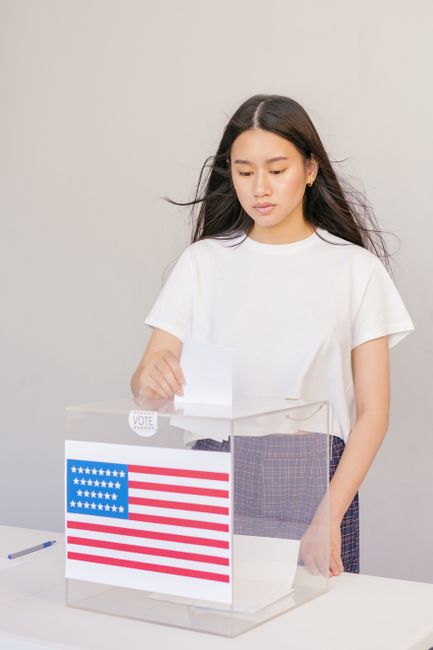
Anna Paulina Luna House Proxy Voting: Navigating Representation and Accountability
Congresswoman Anna Paulina Luna, representing Florida’s 13th Congressional District, has made headlines regarding her approach to proxy voting in the House of Representatives. This practice, where a member delegates their vote to another colleague, has become a significant point of discussion, particularly in the context of accountability and representation. Understanding Luna’s stance and the broader implications of proxy voting is crucial for constituents seeking to grasp the nuances of their elected officials’ actions. This article will delve into the specifics of Anna Paulina Luna’s decisions on proxy voting, examine the reasons behind its use, and explore the ethical and practical considerations surrounding this parliamentary procedure.
The COVID-19 pandemic significantly altered the landscape of congressional operations, leading to the widespread adoption of proxy voting. Initially implemented as a temporary measure to allow members to participate in floor votes while adhering to public health guidelines and avoiding unnecessary travel, proxy voting became a tool for maintaining legislative quorum and ensuring that crucial business could continue. Representatives could authorize a colleague to cast their vote on their behalf, either in person on the House floor or remotely, depending on the specific rules in place. This adaptation, while born out of necessity, has since sparked debate about its long-term viability and its impact on the direct representation of constituents.
Anna Paulina Luna’s decision to largely refrain from utilizing proxy voting has been a notable aspect of her tenure. While many of her colleagues regularly employed this mechanism, particularly during periods of heightened public health concerns or when personal obligations arose, Luna has often chosen to be physically present to cast her vote. This stance reflects a particular interpretation of her duty as a representative, emphasizing the importance of her personal presence and direct participation in the legislative process. Her commitment to physically casting her vote, whenever possible, can be viewed as a deliberate choice to uphold a traditional model of legislative engagement, prioritizing firsthand engagement with the issues and debates on the House floor.
The arguments in favor of proxy voting often center on practicality and efficiency. In a large legislative body with over 400 members, ensuring consistent attendance for every vote can be challenging. Illness, family emergencies, or essential district duties can necessitate a member’s absence. Proxy voting allows for these unavoidable absences without preventing a bill or amendment from being considered. Proponents argue that it ensures that the will of the majority, or a specific bloc of votes, is not thwarted by the temporary absence of individual members. It maintains the legislative momentum, allowing Congress to continue its work even when members cannot be physically present. Furthermore, in the context of a pandemic, it was an essential public health measure, preventing the spread of a dangerous virus within the Capitol.
Conversely, critics of proxy voting raise concerns about accountability and the erosion of direct representation. When a representative votes by proxy, their constituents are not witnessing their direct participation in the debate or observing their physical vote. This can create a perception of detachment and reduce the tangible connection between the elected official and those they serve. Questions arise about whether a proxy vote accurately reflects the representative’s personal conviction or is influenced by the colleague casting the vote. The core principle of representative democracy relies on the idea that citizens elect individuals to act on their behalf, and the ability to physically observe and engage with those representatives is seen as vital by many. Luna’s approach aligns with this perspective, suggesting a belief that personal presence is intrinsically linked to accountability.
The specific rules governing proxy voting in the House have evolved. Initially, during the height of the pandemic, the House adopted rules that allowed for proxy voting due to the public health emergency. These rules were subsequently modified and, at various points, have been subject to debate and disagreement among members regarding their continuation. The framework for proxy voting is established by the House Rules Committee, which sets the parameters for when and how it can be utilized. Understanding these rules is essential to appreciating the procedural context in which Luna’s decisions are made.
Anna Paulina Luna’s consistent presence on the House floor for votes, when feasible, can be interpreted as a strategic choice to underscore her commitment to direct engagement. This can resonate with constituents who value the visible and tangible actions of their representatives. By foregoing the convenience of proxy voting, she may be seeking to project an image of dedication and unwavering participation, directly demonstrating her commitment to her legislative duties. This approach can foster a stronger sense of connection with her electorate, who can directly associate her physical presence with her legislative work. It allows for a clearer, more direct understanding of her voting record and her engagement with the issues.
However, this steadfast refusal of proxy voting also presents practical challenges. If Luna is legitimately ill, dealing with a family emergency, or attending to critical district matters that require her physical presence outside of Washington D.C., she may miss votes. In such instances, her inability to have her vote cast by proxy means her constituents’ voice in that specific vote is effectively silenced. This can be a significant point of contention, as constituents may argue that missing a crucial vote due to unavoidable circumstances, and lacking the mechanism of proxy voting, is detrimental to their representation. The practical realities of governing can sometimes necessitate compromises, and a strict adherence to never using proxy voting might inadvertently lead to underrepresentation in specific instances.
The debate surrounding proxy voting is not unique to Anna Paulina Luna. It is a recurring theme in legislative bodies across democracies. Similar discussions have occurred in other parliamentary systems regarding remote voting, electronic voting, and the delegation of votes. The core tension remains between the desire for efficient and continuous legislative operation and the imperative of direct, visible accountability to the electorate. Luna’s position is one end of a spectrum, and understanding her rationale requires considering the broader political and philosophical arguments about the nature of representation.
For constituents of Florida’s 13th Congressional District, Luna’s stance on proxy voting offers a clear indication of her priorities. It suggests a strong emphasis on personal accountability and direct participation in the legislative process. This might appeal to voters who believe that their representative should be physically present to debate and vote on their behalf, embodying a more traditional and visible form of public service. Conversely, some constituents might prefer a representative who utilizes all available tools to maximize their voting presence, even if it involves proxy voting, to ensure their voice is heard on every issue, regardless of unforeseen circumstances.
The SEO considerations for this article aim to capture relevant search queries related to Anna Paulina Luna, her congressional actions, and the practice of proxy voting. Keywords such as "Anna Paulina Luna proxy voting," "Florida Congresswoman voting," "House of Representatives proxy vote," "congressional representation accountability," and "legislative procedure" are integrated naturally throughout the text. The detailed exploration of the pros and cons of proxy voting, along with Luna’s specific approach, provides comprehensive information that search engines can identify as authoritative and relevant to these queries. The structured format, with clear headings implied by paragraph breaks, further aids in search engine indexing.
The broader implications of proxy voting extend to the perception of Congress as an institution. When voting is perceived as being conducted remotely or by delegation, it can contribute to a sense of disconnect between the public and their lawmakers. Luna’s approach, by prioritizing physical presence, may be an attempt to counter this trend and reinforce the notion of a Congress that is actively and visibly engaged in its duties. This can be a powerful symbolic act, especially in an era where public trust in institutions is often tested.
In conclusion, Anna Paulina Luna’s approach to proxy voting in the House of Representatives is a significant aspect of her legislative engagement. Her consistent choice to prioritize physical presence for voting reflects a particular commitment to direct representation and accountability. While proxy voting offers practical advantages for legislative efficiency, Luna’s stance highlights the enduring value placed by some on the visible and tangible presence of elected officials in the democratic process. Understanding this decision requires a nuanced appreciation of the historical, procedural, and philosophical underpinnings of parliamentary representation. Her actions serve as a focal point for a broader conversation about how modern legislative bodies can best serve their constituents in an increasingly complex world, balancing the demands of continuous governance with the fundamental principles of democratic accountability.
