
Banana Chocolate Chip Cake A Beloved Family Recipe Evolves
The Beloved Banana Chocolate Chip Cake: A Family Recipe’s Evolution
The scent of warm, ripe bananas mingling with rich, melting chocolate is more than just a dessert; it’s a olfactory portal to cherished family gatherings, a testament to traditions passed down through generations. At its heart lies a recipe for banana chocolate chip cake, a seemingly simple confection that has undergone a subtle yet significant evolution within my family. What began as a humble, rustic loaf, perfect for afternoon tea and often enjoyed slightly bruised and overripe, has transformed into a more refined, decadent celebration cake, reflecting changing tastes, ingredient accessibility, and a touch of culinary exploration. This evolution isn’t just about a few tweaks; it’s a narrative of adaptation, a delicious example of how beloved recipes can remain rooted in sentiment while embracing the present.
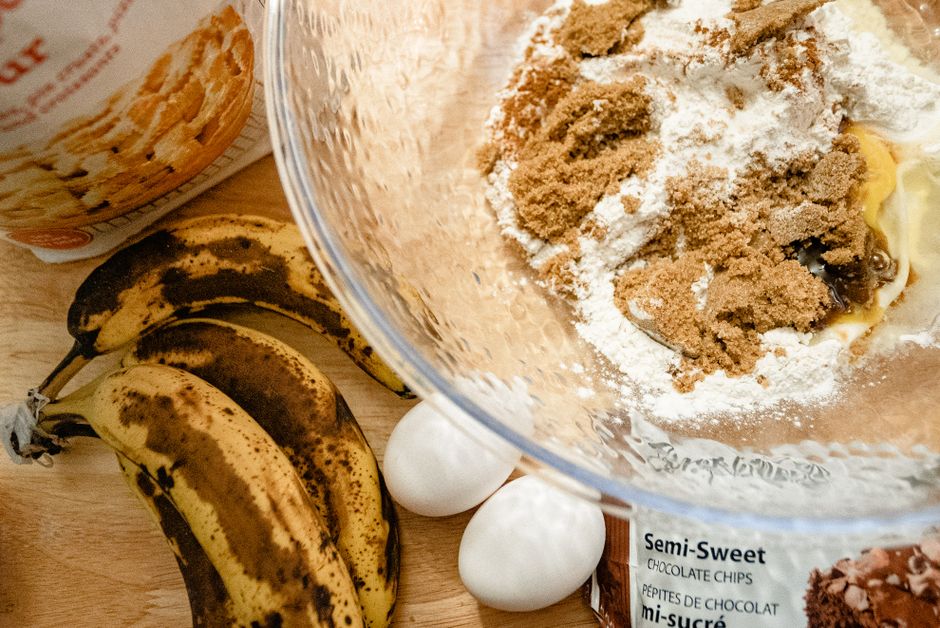
The original iteration of this banana chocolate chip cake was born out of necessity and frugality. My grandmother, a woman who could conjure magic from pantry staples, would often find herself with a cluster of bananas on the verge of becoming compost. Instead of discarding them, she’d mash them into a simple batter, a practice common in many households where food waste was anathema. Her recipe was straightforward: overripe bananas, flour, sugar, eggs, butter, a pinch of baking soda, and a generous handful of chocolate chips. There were no fancy spices, no exotic extracts, just pure, unadulterated comfort. The texture was dense, almost fudgy, and the bananas lent an inherent sweetness, often eliminating the need for excessive added sugar. Chocolate chips, typically semi-sweet or even milk chocolate, were stirred in with wild abandon, ensuring a delightful surprise in every bite. This cake was baked in a loaf pan, its edges slightly caramelized and its center moist and satisfying. It was never about presentation; it was about nourishment and the joy of sharing something homemade. The aroma that filled her kitchen was a constant, comforting presence, a signal that good things were to come.
As I grew older and began to experiment in the kitchen myself, I inherited my grandmother’s well-worn recipe card. The writing, in her elegant cursive, was faded in places, a tangible link to the past. My initial attempts mirrored hers as closely as possible, a tribute to her culinary prowess. However, as I delved deeper into the world of baking, I started to notice subtle nuances. I began to question the absence of certain ingredients that seemed commonplace in other banana bread and cake recipes. The first significant change came with the addition of cinnamon. A small amount, just a teaspoon, introduced a warm, spicy counterpoint to the sweetness of the bananas and the richness of the chocolate. It was a revelation, adding a layer of complexity that I hadn’t realized was missing. The cinnamon didn’t overpower the other flavors; instead, it complemented them, enhancing the overall depth of the cake. This became a permanent fixture in my adaptation.
Next, I experimented with the type of chocolate. My grandmother’s recipe relied on readily available chocolate chips. I, however, had access to a wider array of baking chocolates. I started incorporating dark chocolate chunks, a move that offered a more intense cocoa flavor and a more luxurious melt. The bittersweet notes of dark chocolate provided a sophisticated contrast to the sweetness of the bananas, creating a more balanced flavor profile. I also discovered the magic of using both semi-sweet and dark chocolate, creating a dynamic interplay of sweetness and bitterness that appealed to a wider range of palates. This duality in chocolate choice became a hallmark of my evolved recipe.
The texture of the cake also became a point of consideration. While I appreciated the density of my grandmother’s original, I found myself drawn to a lighter, more tender crumb. This led to an adjustment in the leavening agents. I increased the baking soda slightly and introduced a touch of baking powder. This combination provided a more reliable and consistent rise, resulting in a cake that was still moist but possessed a softer, more airy interior. The denser, fudgier texture of the original was excellent for its intended purpose – a humble, comforting treat. However, for a cake destined for more celebratory occasions, a lighter crumb felt more appropriate. I also began to experiment with different fats. While butter remained the primary fat, I started adding a small amount of vegetable oil. This addition contributed to a noticeably more tender and moist cake, extending its shelf life and ensuring a delightful texture even after a couple of days. The oil coats the flour particles more effectively than butter, inhibiting gluten development and leading to a softer crumb.
The banana itself also became a subject of culinary scrutiny. While overripe bananas are indeed ideal for their sweetness and mashability, I found that slightly less ripe bananas, when mashed thoroughly, provided a more distinct banana flavor without making the cake overly sweet or gummy. This subtle shift in banana ripeness allowed the other flavors, particularly the chocolate and cinnamon, to shine through more prominently. I also discovered the benefit of browning the bananas slightly in the oven before mashing them. This caramelization process intensifies their sweetness and adds a subtle toasted flavor that elevates the overall complexity of the cake. This is a step that truly bridges the gap between a simple quick bread and a more sophisticated dessert.
Over time, my recipe card, once a pristine document of my grandmother’s legacy, became a palimpsest of my own culinary journey. Notes were scribbled in the margins, ingredient quantities adjusted, and new techniques added. The loaf pan was often retired in favor of a round cake pan, transforming the humble banana chocolate chip cake into something more visually appealing for birthdays and special events. A simple dusting of powdered sugar, a drizzle of chocolate ganache, or a scattering of toasted nuts began to grace its surface, elevating it from a simple bake to a true centerpiece. The evolution wasn’t about discarding the past, but about building upon it, honoring the spirit of the original while embracing new possibilities.
The most significant evolution, however, has been in the context of its consumption. While my grandmother’s cake was an everyday indulgence, my adapted version has become reserved for moments that call for something special. It’s the cake I bake for my children’s birthdays, the treat I bring to family reunions, the offering when a friend needs a comforting hug in edible form. The shared experience of its enjoyment has also evolved. Gone are the days of casual slices enjoyed with a cup of tea. Now, it’s often served with a dollop of freshly whipped cream, a scoop of vanilla bean ice cream, or alongside a glass of chilled milk. The act of sharing this cake has become a ritual, a reminder of where it came from and how far it has come.
Furthermore, the accessibility of ingredients has played a crucial role. While my grandmother relied on what was readily available at her local grocer, I have access to a world of artisanal chocolates, specialty flours, and exotic spices. This has allowed for further experimentation, though I often find myself returning to the core elements that define this particular cake. For instance, I’ve dabbled with adding a hint of espresso powder to the batter to enhance the chocolate flavor, or a splash of rum for added depth. While these additions are delicious, they often feel like embellishments rather than fundamental shifts, underscoring the enduring strength of the original recipe’s foundation.
The evolution of this banana chocolate chip cake is a microcosm of how culinary traditions adapt to contemporary life. It’s a testament to the power of food to connect us to our past while simultaneously embracing the future. The original recipe provided comfort and sustenance; the evolved version offers a sense of occasion and elevated indulgence. Yet, at its core, it remains the same beloved cake, a vessel for memories, a symbol of family, and a delicious reminder that even the simplest of recipes can possess a remarkable capacity for transformation. It’s a recipe that continues to be written, one delicious bake at a time, a legacy that grows richer and more flavorful with each passing year. The act of baking this cake is now more than just following instructions; it’s about continuing a conversation with my grandmother, one bite at a time, adding my own voice to a story that began with mashed bananas and a whole lot of love. The ingredients may be refined, the technique more precise, and the presentation more polished, but the soul of the cake, that comforting essence of home and family, remains unequivocally intact, a testament to its enduring appeal and its ability to adapt and thrive across generations.
