
Barcelona’s Cycling Revolution: Navigating the City and Beyond on Two Wheels

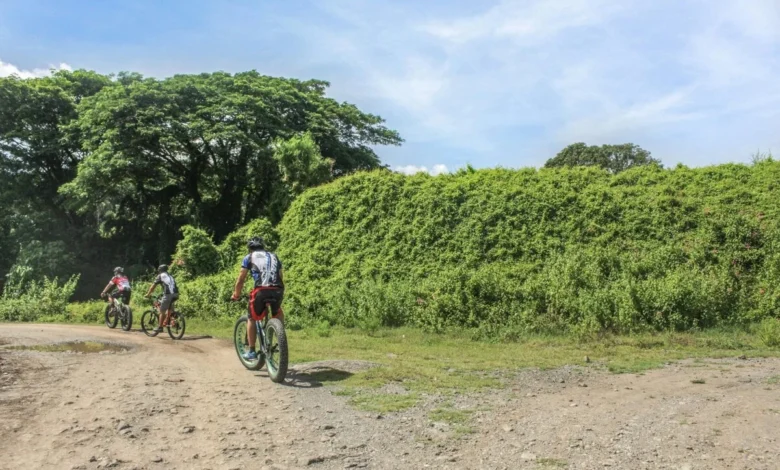
Barcelona, a city celebrated for its architectural marvels, sun-drenched beaches, and vibrant cultural scene, is increasingly gaining recognition as a premier destination for cyclists. Embracing a slower pace, exploring Barcelona on a bicycle offers an unparalleled perspective, allowing riders to truly absorb the intricate details of Modernista facades, discern the subtle gradient leading to Montjuïc before its summit is even visible, and spontaneously discover hidden gems like a beachfront chiringuito in Castelldefels. This shift towards a more bike-centric urban experience is not merely a trend but a testament to Barcelona’s evolving commitment to sustainable urban mobility and active tourism. The city’s diverse landscape, from flat coastal paths to challenging mountain trails and picturesque vineyard routes, caters to every level of cyclist, transforming the journey into an integral part of the discovery.
The Evolution of Barcelona’s Cycling Infrastructure
Barcelona’s journey to becoming a cycling haven is rooted in a strategic urban planning vision that dates back to Ildefons Cerdà’s grid plan of the Eixample district in the mid-19th century. While Cerdà’s original design prioritized wide avenues and efficient movement, the integration of dedicated cycling infrastructure is a more recent development, accelerating significantly in the 21st century. The early 2000s saw a gradual increase in cycle lanes, but it was the introduction of the public bike-sharing system, Bicing, in 2007, that truly catalyzed a cultural shift. Bicing, with its distinctive red and white bicycles, quickly became an integral part of daily life for residents, normalizing cycling as a viable mode of transport and demonstrating the city’s commitment to eco-friendly commuting.

Following this initial success, the city council embarked on an ambitious plan to drastically expand its cycling network. Between 2015 and 2019, Barcelona added over 100 kilometers of new bike lanes, bringing the total to more than 200 kilometers. This expansion was not just about quantity but also about creating a safer, more connected network, often involving segregated lanes that prioritize cyclist safety away from vehicular traffic. The aim was to ensure that every resident lived within 300 meters of a cycle lane, a target largely met in central districts. This infrastructural investment underscores Barcelona’s broader sustainability agenda, aiming to reduce reliance on private cars, improve air quality, and foster a healthier urban environment. Current data indicates that cycling now accounts for approximately 2.5% of all trips within the metropolitan area, a figure the city is continually striving to increase, reflecting a consistent, long-term commitment to enhancing urban mobility and promoting active lifestyles. The continuous investment in this green infrastructure positions Barcelona as a leader in urban sustainability.
Supporting Data and Broader Implications
The growth of cycling in Barcelona extends beyond local commuting, significantly impacting its tourism sector and environmental footprint. Statistics from the city council reveal a steady increase in cycle tourism, with a notable percentage of visitors opting for bicycles as their primary mode of exploration. This demographic often seeks authentic, immersive experiences, contributing positively to local businesses, from specialized bike rental shops and tour operators to cafes and restaurants along popular routes. The economic contribution of cycle tourism is substantial, supporting a network of small and medium-sized enterprises across the city and beyond, particularly in regions like Penedès, where wine tourism combined with cycling creates a unique niche. This economic activity not only generates revenue but also fosters local employment and preserves regional traditions.
Environmentally, the promotion of cycling is a cornerstone of Barcelona’s climate action plan. Each bicycle journey replaces a potential car trip, contributing to a reduction in carbon emissions and urban noise pollution. The city’s commitment to expanding green spaces and interconnected cycling paths aligns with global efforts to create more livable, sustainable cities. By reducing traffic congestion, cycling also helps mitigate the urban heat island effect, contributing to a more comfortable environment for residents and visitors alike. Health-wise, the accessibility of cycling routes encourages physical activity among both residents and tourists, addressing public health concerns related to sedentary lifestyles and improving overall community well-being. The sight of cyclists navigating the city’s arteries, whether for leisure or commute, has become an emblem of Barcelona’s progressive urban identity, blending its rich heritage with a forward-looking vision for ecological and social well-being. This symbiotic relationship between urban development and active transport defines Barcelona’s modern appeal.

Official Responses and Strategic Vision
Barcelona City Council has consistently championed cycling as a strategic pillar of its urban mobility and sustainability policies. Officials frequently highlight the dual benefits of cycling: enhancing public health and reducing environmental impact. In a recent statement, a spokesperson for the Department of Urban Mobility emphasized, "Our goal is to make Barcelona a city where cycling is the most convenient, safest, and most enjoyable way to move around. We are investing in infrastructure, integrating cycling with public transport, and promoting bike culture to achieve a truly sustainable urban ecosystem." This commitment is further demonstrated by ongoing projects to create more car-free zones and pedestrianize key areas, making the urban core even more accessible and pleasant for cyclists. Future plans include further expanding the network to reach peripheral neighborhoods and improving connectivity with surrounding municipalities, fostering a regional cycling network.
Tourism bodies, recognizing the growing appeal of active travel, have also integrated cycling into their promotional campaigns. Barcelona Turisme actively features cycling routes in its guides and digital platforms, positioning the city as a destination for active and eco-conscious travelers. The collaboration between urban planners and tourism promoters aims to create a seamless experience for visitors, ensuring easy access to bike rentals, well-marked routes, and information on local attractions accessible by bicycle. This integrated approach ensures that cycling is not just a mode of transport but a core component of the Barcelona experience, inviting visitors to engage with the city on a deeper, more personal level.
Discovering Barcelona by Bike: Curated Routes for Every Rider

Barcelona’s diverse geography allows for a wide array of cycling experiences, from leisurely spins along the coast to challenging climbs in the mountains and serene rides through vineyards. Each route offers a unique perspective on the city and its surrounding landscapes.
Coastal Barcelona Bike Routes: Embracing the Mediterranean Breeze
Barcelona Promenade
- Distance: 4.7 km
- Difficulty: Easy
- Description: This dedicated, impeccably maintained cycle lane offers a quintessential Barcelona experience, tracing the city’s vibrant seafront. Connecting Nova Icària beach with Mar Bella, it’s a flat, smooth ride perfect for easing into your Barcelona adventure. The route is framed by golden sands on one side and a delightful array of beach bars and restaurants serving fresh Mediterranean fare on the other. It’s an ideal choice for a refreshing morning spin, witnessing the city awaken, or for an enchanting evening ride as the setting sun casts a golden glow over the water, creating truly Instagrammable moments. The path is wide enough to accommodate both cyclists and pedestrians comfortably, making it a social hub as well as a scenic route.
Litoral and Besòs Park
- Distance: 9 km one way (18 km return)
- Difficulty: Easy
- Description: Venture slightly north of the urban bustle to discover this serene paved route that follows the Besòs River. Starting near the Forum, it winds through the tranquil Litoral Park, connecting to Montcada i Reixac and eventually reaching the river mouth at Sant Adrià del Besòs. With a separate pedestrian path running alongside, it’s a safe and comfortable option for families or mixed groups. The gentle gradients and well-maintained surface make for a relaxing ride, offering a different perspective of Barcelona’s natural surroundings away from the city centre. The 18 km return trip provides a satisfying workout without being overly strenuous, perfect for an afternoon excursion into a greener urban fringe.
Castelldefels

- Distance: 8 km
- Difficulty: Easy
- Description: For those seeking a half-day escape from the city, the Castelldefels seafront promenade, located approximately 24 kilometers south of Barcelona, is an excellent choice. This flat, safe cycle lane stretches the full length of the picturesque beaches of Castelldefels and Gavà Mar. The route is punctuated by numerous chiringuitos (beach bars) and cafes, perfect for a refreshing stop to enjoy a drink or a bite with stunning sea views. It’s an opportunity to experience the wider Catalan coast, characterized by expansive sandy beaches and a more relaxed atmosphere, offering a tranquil contrast to Barcelona’s bustling urban core. The clean, calm waters are also inviting for a quick swim.
Mountain Barcelona Bike Routes: Panoramic Views and Nature Escapes
Collserola Natural Park
- Difficulty: Easy to Moderate (with varied sections)
- Description: The magnificent Collserola Natural Park, one of the largest metropolitan parks in the world, offers an extensive network of over 283 kilometers of cycle paths, catering to a wide spectrum of abilities and preferences. This expansive green lung of Barcelona provides a vital ecological corridor and recreational space.
- Carretera de les Aigües: This iconic, mostly flat gravel track offers breathtaking panoramic views of Barcelona, stretching for about 10 kilometers. It’s an easy and incredibly popular route, perfect for a leisurely ride or a brisk run, suitable for mountain bikes or hybrid bikes. It’s a fantastic spot for sunset views over the city.
- Tibidabo Ascent: For those seeking a challenge, the climb to Tibidabo offers a rewarding ascent with spectacular views from the summit, home to the Sagrat Cor Temple and Tibidabo Amusement Park. This route requires good fitness and is best tackled on a road or mountain bike, providing a significant elevation gain.
- Molins de Rei River Route: A flatter, more accessible option within Collserola, following the river, ideal for families and less experienced riders looking for a natural escape and gentle gradients.
- **


