
Bibimbap Korean Rice With Mixed Vegetables
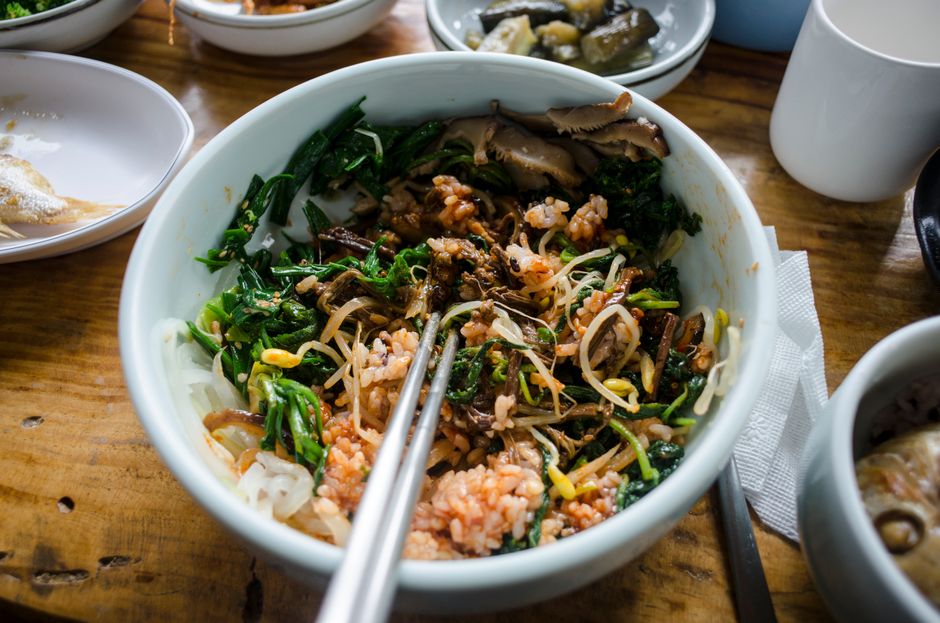
The Ultimate Guide to Bibimbap: A Delectable Korean Rice Bowl with Mixed Vegetables
Bibimbap, a cornerstone of Korean cuisine, translates literally to "mixed rice." It is far more than just a dish; it’s an art form, a balanced meal, and a sensory delight. This vibrant, customizable Korean rice bowl featuring a medley of perfectly cooked rice, an array of fresh and seasoned vegetables, and often a protein, crowned with a savory sauce and a raw or fried egg, represents the epitome of Korean culinary philosophy – emphasizing harmony, balance, and the celebration of fresh ingredients. Understanding bibimbap is to understand a significant facet of Korean culture, its agricultural bounty, and its deeply ingrained traditions. The visual appeal of bibimbap is as crucial as its taste. The careful arrangement of colorful ingredients – the vibrant green of spinach, the earthy brown of mushrooms, the fiery orange of carrots, the pristine white of bean sprouts – creates a miniature edible landscape. This meticulous presentation is not merely aesthetic; it reflects the Korean appreciation for visual harmony and the idea that a beautiful dish is inherently more enjoyable. At its core, bibimbap is a dish of simplicity and profound depth, accessible to all palates while offering endless possibilities for personalization.
The foundational element of any bibimbap is the rice. Typically, medium-grain white rice is preferred for its ability to hold its shape and absorb the flavors of the accompanying ingredients and sauce without becoming mushy. The rice is cooked to a perfect al dente texture, providing a satisfying chew that contrasts with the softer vegetables. Some variations might incorporate a small percentage of brown rice or other grains, adding a nutty flavor and increased nutritional value. The quality of the rice is paramount; it must be fresh, fragrant, and cooked without being over or underdone. The preparation of the rice is a critical first step, setting the stage for the symphony of flavors and textures that will follow. The warmth of the freshly cooked rice also plays a vital role in slightly wilting some of the raw vegetables, allowing their flavors to meld more harmoniously. It’s this careful attention to detail in the most basic component that elevates bibimbap beyond a simple rice dish.
The soul of bibimbap lies in its diverse assembly of vegetables. These are not simply thrown in; each vegetable is meticulously prepared, seasoned, and cooked individually, a process known as namul. This namul-making is a testament to Korean culinary technique, where each ingredient is coaxed to its optimal flavor and texture. Common vegetables include:
- Spinach (Sigeumchi Namul): Blanched and then seasoned with garlic, sesame oil, and soy sauce, providing a mild, slightly sweet, and earthy base.
- Bean Sprouts (Kongnamul): Steamed until tender yet retaining a slight crunch, typically seasoned with garlic and sesame oil. Their subtle sweetness and refreshing bite are essential.
- Carrots (Danggeun Namul): Julienne and lightly stir-fried or blanched, offering a vibrant orange hue and a touch of sweetness.
- Zucchini (Hobak Namul): Often lightly sautéed or blanched and seasoned, its mild flavor and tender texture complement the other ingredients.
- Shiitake Mushrooms (Pyogo Beoseot): Sliced and stir-fried or braised with soy sauce and garlic, their deep umami flavor and chewy texture add significant depth.
- Fernbrake (Gosari Namul): A uniquely Korean ingredient, gosari is typically rehydrated, boiled, and then seasoned with garlic and soy sauce, offering a distinctive earthy and slightly chewy texture.
- Radish (Mu Namul): Julienne and often stir-fried or pickled, providing a crisp, slightly peppery counterpoint.
- Cucumber (Oi Namul): Thinly sliced and sometimes lightly salted to draw out excess moisture, offering a cool, crisp, and refreshing element.
- Bell Peppers (Pipari): Thinly sliced and lightly stir-fried, adding a touch of sweetness and vibrant color.
The preparation of namul is an art in itself, emphasizing the natural flavors of each vegetable. Overcooking is avoided at all costs, ensuring that each ingredient retains its distinct character and contributes to the overall textural complexity of the dish. The seasoning for each namul is typically light, allowing the inherent taste of the vegetable to shine through, enhanced by hints of garlic, sesame oil, and often a touch of soy sauce or ganjang (Korean soy sauce). This individual preparation is what differentiates bibimbap from a simple mixed salad.
The protein component in bibimbap offers another layer of customization. While vegetarian bibimbap is very common and delicious, traditional versions often include a protein. The most popular choices are:
- Beef (Bulgogi or Marinated Ground Beef): Thinly sliced beef, often marinated in a sweet and savory bulgogi sauce (soy sauce, garlic, ginger, sugar, sesame oil), then stir-fried to perfection. Ground beef, seasoned similarly, is also a frequent addition. The rich, savory notes of beef are a classic accompaniment.
- Chicken: Marinated and stir-fried chicken pieces, offering a lighter protein option.
- Tofu: Pan-fried or seasoned firm tofu, providing a plant-based protein that absorbs flavors beautifully.
- Seafood: In coastal regions, variations might include seasoned shrimp, squid, or other small seafood.
The protein is usually cooked separately and then artfully arranged on top of the vegetables and rice. Its role is to provide a substantial element and to complement the lighter flavors of the vegetables and sauce. The choice of protein significantly influences the overall character of the bibimbap.
The crowning glory of bibimbap is often the egg. Two common preparations exist:
- Raw Egg Yolk: A raw egg yolk is placed in the center of the bowl, which, as the dish is mixed, gently cooks into the hot rice and vegetables, creating a rich, creamy binder. This is a popular choice for many, offering an unparalleled unctuousness.
- Fried Egg (Sunny-Side Up): A fried egg with a runny yolk is placed on top, providing a visually appealing and delicious addition that also contributes to the dish’s richness when broken and mixed.
The egg’s presence adds a luxurious texture and a subtle but significant boost of flavor, binding all the elements together in a harmonious emulsion. The slightly viscous yolk creates a natural sauce, enhancing the overall mouthfeel.
The final, indispensable element is the sauce, which ties all the ingredients together. The quintessential bibimbap sauce is gochujang (Korean chili paste). This fermented paste, made from chili peppers, glutinous rice, fermented soybeans, and salt, offers a complex balance of sweet, savory, and spicy flavors. It’s typically thinned with a touch of sesame oil, soy sauce, and sometimes vinegar or honey to achieve the desired consistency and flavor profile. The amount of gochujang used is entirely to personal preference, allowing individuals to control the heat level. Other variations might include a milder sesame-based sauce for those who prefer less spice. The gochujang sauce is the catalyst for the mixing process, transforming individual components into a cohesive and intensely flavorful experience.
The act of mixing bibimbap is as important as its preparation. Once all the components are artfully arranged, the diner is meant to vigorously mix everything together with their spoon and chopsticks. This process is not about creating a mess, but about thoroughly combining the flavors, textures, and temperatures of all the ingredients. The warmth of the rice gently cooks the raw egg yolk (if used) and slightly wilts the vegetables, allowing them to meld with the savory gochujang sauce and the richness of the egg. This communal act of mixing is central to the bibimbap experience, emphasizing its democratic and inclusive nature. It’s a moment of anticipation before the first satisfying bite.
Bibimbap is a highly adaptable dish, making it incredibly popular worldwide. Its inherent flexibility caters to a wide range of dietary needs and preferences.
- Vegetarian and Vegan Bibimbap: By omitting the meat and egg, and ensuring the sauce is vegan-friendly (some gochujang can contain non-vegan ingredients), bibimbap becomes a robust and satisfying vegan meal. Tofu, extra vegetables, and a flavorful vegan sauce are excellent substitutes.
- Gluten-Free Bibimbap: Opting for gluten-free soy sauce and ensuring the gochujang is gluten-free allows individuals with celiac disease or gluten intolerance to enjoy this dish.
- Regional Variations: While the core concept remains, different regions of Korea have their own unique interpretations. Dolsot Bibimbap, served in a sizzling hot stone pot, is a particularly popular variation. The stone pot ensures the rice at the bottom develops a wonderfully crispy crust, adding another delightful texture. Tongyeong Bibimbap, from the southern coastal city of Tongyeong, often features seafood and a broth.
The SEO benefits of articles focusing on "bibimbap," "Korean rice bowl," "mixed vegetables," "gochujang," and "Korean cuisine" are significant. Keywords like "healthy Korean food," "vegetarian bibimbap recipe," and "how to make bibimbap" also attract a broad audience searching for culinary inspiration and practical guidance. The inherent visual appeal of bibimbap also lends itself well to image-based searches and social media sharing, further boosting its online visibility. The versatility of the dish also means it can be tagged with numerous relevant terms, from "easy Korean recipes" to "lunch ideas" and "dinner inspiration."
The cultural significance of bibimbap extends beyond its deliciousness. It embodies the Korean concept of o-haeng (the five elements) and their associated colors, which are believed to promote balance and health:
- White: Rice, white radish
- Black/Dark Brown: Mushrooms, seaweed
- Green: Spinach, zucchini, cucumber
- Red/Orange: Carrots, bell peppers, gochujang
- Yellow: Egg yolk
This association with traditional Korean philosophy further enhances its appeal and perceived health benefits. It’s a dish that nourishes the body and the spirit, reflecting a holistic approach to food.
In conclusion, bibimbap is a dynamic and deeply satisfying Korean rice bowl that celebrates the bounty of fresh ingredients through meticulous preparation and vibrant presentation. From the perfectly cooked rice and artfully prepared namul to the protein of choice, the rich egg, and the indispensable gochujang sauce, every element plays a crucial role in creating a harmonious and flavorful experience. Its inherent adaptability makes it a universally loved dish, catering to diverse dietary needs and preferences, solidifying its status as a beloved staple in Korean cuisine and a celebrated global culinary icon. The SEO potential for this dish is immense, driven by its popularity, visual appeal, and the growing interest in healthy and diverse international food options.
