
Biden Harris Roe Abortion
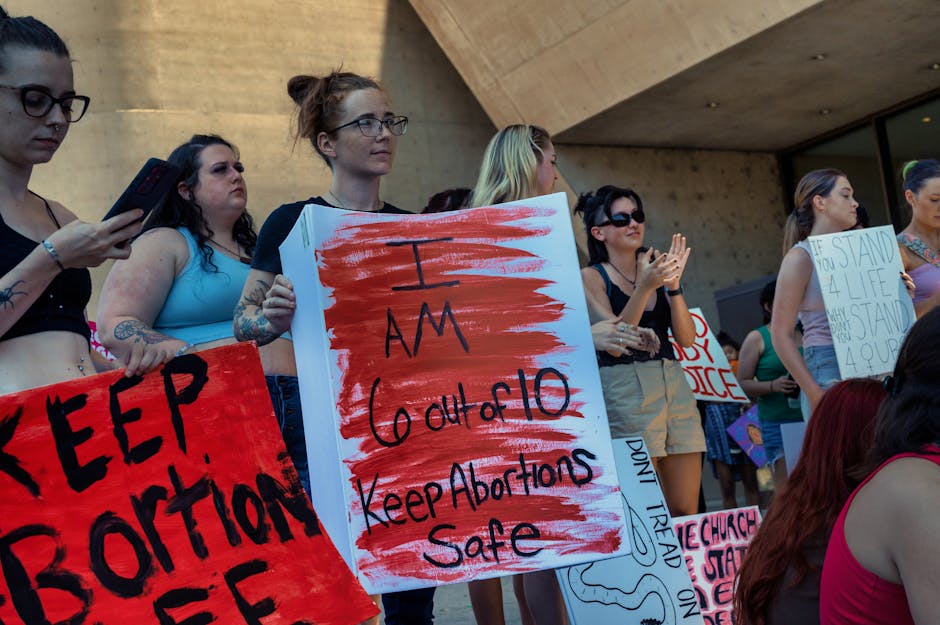
Biden Harris Roe Abortion: Navigating the Legal and Political Landscape
The Supreme Court’s decision in Roe v. Wade (1973) established a woman’s constitutional right to an abortion, a landmark ruling that reshaped reproductive rights in the United States for nearly fifty years. This decision was built upon the Fourteenth Amendment’s guarantee of privacy, asserting that a woman’s decision regarding her pregnancy falls within this protected sphere. For decades, Roe v. Wade served as the legal bedrock, ensuring a baseline level of access to abortion services nationwide. However, the landscape surrounding abortion rights has been in constant flux, marked by ongoing legal challenges, shifting political tides, and the persistent efforts of those seeking to restrict or expand access. The Biden-Harris administration has positioned itself as a staunch defender of abortion rights, vowing to protect and restore access to reproductive healthcare in the wake of significant legal and political developments.
The overturning of Roe v. Wade by the Supreme Court in Dobbs v. Jackson Women’s Health Organization (2022) represented a seismic shift, eliminating the federal constitutional right to abortion and returning the authority to regulate or ban the procedure to individual states. This decision immediately triggered a cascade of legal battles, with many states enacting near-total bans or severe restrictions on abortion. The immediate aftermath saw widespread confusion, legal challenges in state courts, and a patchwork of varying access levels across the country. This dramatic reversal has placed the Biden-Harris administration in a highly visible and politically charged role, tasked with responding to the erosion of reproductive rights and advocating for their restoration. Their approach has been multifaceted, encompassing executive actions, legislative efforts, and public pronouncements aimed at safeguarding abortion access.
President Biden and Vice President Harris have consistently articulated a commitment to reproductive freedom. Their public statements and policy initiatives reflect a strong belief that decisions about reproductive healthcare are deeply personal and should be made by individuals in consultation with their medical providers, free from government interference. The administration has emphasized that the overturning of Roe v. Wade is a setback for women’s health and autonomy, and they have pledged to use all available executive and legislative tools to protect and expand access to abortion and other reproductive health services. This commitment is not merely rhetorical; it has translated into concrete policy recommendations and actions designed to mitigate the impact of state-level restrictions and to push for federal protections.
One of the primary strategies employed by the Biden-Harris administration has been to leverage executive authority. Following the Dobbs decision, President Biden issued executive orders aimed at protecting access to reproductive healthcare services. These orders have focused on areas such as ensuring access to contraception, protecting patient privacy, and supporting the rights of individuals traveling across state lines to obtain abortions. The administration has also directed federal agencies to review and, where possible, strengthen protections for patients and providers. For instance, the Department of Health and Human Services (HHS) has been instrumental in providing guidance and resources to states and individuals navigating the complex legal landscape that emerged after the overturning of Roe.
Furthermore, the Biden-Harris administration has actively engaged in efforts to protect access to medication abortion. Medication abortion, which involves the use of prescribed drugs to terminate a pregnancy, has become a critical pathway to abortion access, particularly in states with significant restrictions on in-clinic procedures. The administration has taken steps to ensure that FDA-approved abortion medications remain accessible, including challenging state laws that attempt to ban or restrict their use. This involves working with the Food and Drug Administration (FDA) to affirm the safety and efficacy of these medications and to push back against politically motivated attempts to undermine their availability.
Vice President Harris has been a particularly vocal advocate for reproductive rights, traveling the country to speak directly with individuals affected by abortion bans and to rally support for federal protections. Her role has been crucial in galvanizing public opinion and in highlighting the human impact of restrictive abortion laws. She has consistently framed the issue as one of fundamental human rights and economic justice, arguing that access to reproductive healthcare is essential for women’s ability to participate fully in society and the economy. Her outreach efforts have included meetings with healthcare providers, reproductive rights organizations, and individuals who have sought or been denied abortion care.
The Biden-Harris administration’s legislative agenda has consistently prioritized the codification of abortion rights into federal law. They have strongly supported efforts to pass legislation that would restore the protections previously afforded by Roe v. Wade. The Women’s Health Protection Act, for example, is a key piece of legislation that aims to establish a statutory right for healthcare providers to offer abortion services and for patients to receive them, free from undue burdens and restrictions. While this legislation has faced significant hurdles in Congress, the administration’s unwavering support for it demonstrates their commitment to a federal solution to protect abortion access.
The political strategy of the Biden-Harris administration has also involved framing the abortion debate in a way that appeals to a broader electorate. While acknowledging the deeply held moral and religious beliefs on all sides of the issue, they have emphasized the practical consequences of abortion bans, including the potential negative impacts on women’s health, economic well-being, and overall equality. They have sought to highlight the extremism of some state-level bans and to position themselves as defenders of established rights and individual liberty. This approach aims to mobilize voters who may not be actively involved in reproductive rights advocacy but who are concerned about government overreach and the erosion of personal freedoms.
The legal challenges that have arisen in the wake of Dobbs v. Jackson are complex and varied. States that have banned or severely restricted abortion are facing lawsuits challenging the constitutionality of these laws under their own state constitutions. These legal battles are often lengthy and involve intricate legal arguments regarding privacy rights, equal protection, and the scope of state legislative power. The Biden-Harris administration, while primarily focused on federal action, has also closely monitored and, in some instances, provided amicus briefs in key legal cases that could have broader implications for abortion access.
The issue of abortion is deeply intertwined with other policy areas, including healthcare access, economic justice, and racial equity. The Biden-Harris administration has recognized these connections and has sought to address them holistically. They have pointed out that abortion bans disproportionately affect marginalized communities, including low-income women and women of color, who often face greater barriers to accessing healthcare and economic opportunities. Their policy proposals aim to address these systemic inequalities, recognizing that reproductive freedom is a critical component of broader social justice.
Looking ahead, the Biden-Harris administration’s approach to abortion rights will likely continue to be characterized by a dual strategy of executive action and legislative advocacy. They will undoubtedly continue to explore all avenues within their executive power to protect and expand access, while simultaneously pushing for federal legislation to codify these rights. The political climate surrounding abortion remains highly polarized, and significant challenges are expected in any legislative efforts. However, the administration’s consistent and vocal commitment suggests that they will remain at the forefront of the fight to protect reproductive freedom.
The impact of the Biden-Harris administration’s actions on the future of abortion access in the United States is significant. By actively defending reproductive rights, challenging restrictive state laws, and advocating for federal protections, they are playing a pivotal role in shaping the ongoing debate and in determining the extent to which individuals can access abortion services. Their efforts are crucial in a post-Roe landscape, where the fight for reproductive autonomy has moved to the forefront of American politics and law.
The administration’s focus on protecting access to contraception is another critical element of their reproductive healthcare strategy. They understand that access to contraception is a fundamental aspect of reproductive health and that its availability can significantly reduce unintended pregnancies, thereby also reducing the need for abortions. Executive actions and public health initiatives have been directed towards ensuring that individuals have access to a full range of contraceptive methods without undue barriers or cost.
Furthermore, the Biden-Harris administration has been a vocal critic of state laws that criminalize healthcare providers who perform abortions or that seek to prosecute individuals who seek or assist in obtaining abortions. They have emphasized the importance of protecting medical professionals and ensuring that they can provide care without fear of legal reprisal. This stance is crucial in fostering a healthcare environment where reproductive health services can be offered openly and safely.
The broader implications of the Biden-Harris administration’s stance on Roe v. Wade and abortion rights extend beyond immediate policy outcomes. Their consistent advocacy helps to maintain the visibility of the issue, encouraging public discourse and engagement. It also serves to rally supporters of reproductive rights and to counter the narrative presented by those who seek to restrict abortion access. The administration’s commitment is a crucial factor in the ongoing struggle for reproductive autonomy in the United States.
