
North Carolina Pulled Pork
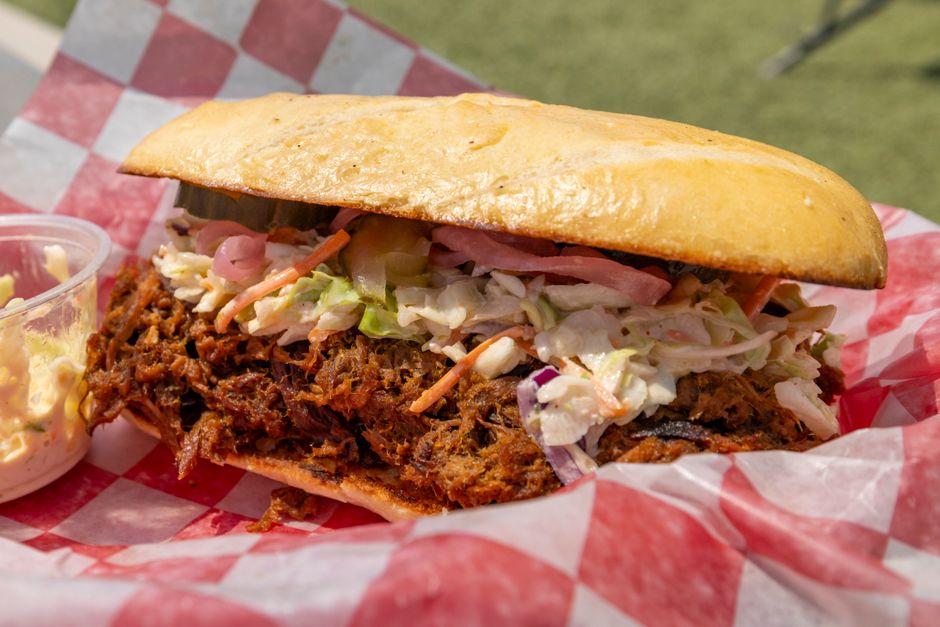
North Carolina Pulled Pork: A Deep Dive into the Carolinas’ Culinary Crown Jewel
North Carolina pulled pork is not merely a dish; it’s a culinary cornerstone, a regional obsession, and a testament to a rich history deeply intertwined with barbecue. This iconic preparation, distinctively Carolinian, boasts a lineage stretching back centuries, evolving from necessity and resourcefulness into a revered gastronomic art form. At its heart lies the slow, meticulous cooking of pork shoulders (Boston butts), transformed through hours of gentle heat into incredibly tender, succulent strands of meat, imbued with smoky flavor and coated in a signature sauce that defines its identity. While the concept of slow-cooked pork is global, North Carolina has carved out a unique and fiercely defended niche, characterized by specific cuts of pork, cooking methods, and most crucially, its unparalleled sauces. Understanding North Carolina pulled pork requires an exploration of its geographical variations, the techniques that yield its unparalleled texture and flavor, the cultural significance it holds, and the elements that make it a perennial favorite for locals and visitors alike.
The soul of North Carolina pulled pork resides in its unwavering commitment to the pork shoulder, commonly known as the Boston butt. This cut, a treasure trove of intramuscular fat and connective tissue, is perfectly suited for the low-and-slow cooking method that is the hallmark of authentic barbecue. The fat renders down during the extended cooking process, basting the meat from within and contributing to its signature moisture and melt-in-your-mouth texture. The connective tissues, like collagen, break down into gelatin, creating that unctuous mouthfeel that is so desirable. While other barbecue regions might experiment with different pork cuts, the Boston butt remains the undisputed champion in North Carolina. This dedication to a specific cut is not arbitrary; it’s a deliberate choice that maximizes flavor and tenderness, ensuring that the final product is consistently superior. The sheer volume of meat available in a pork shoulder also makes it ideal for feeding gatherings, a crucial aspect of its cultural role in community events and celebrations.
The cooking process for North Carolina pulled pork is as fundamental to its identity as the pork itself. The dominant method, particularly in the eastern part of the state, is whole-hog barbecue. This involves slowly roasting an entire pig over wood coals, a practice deeply rooted in tradition. The entire animal is cooked, allowing the fat from other parts of the hog to render and baste the pork shoulder, further enhancing its moisture and flavor. This method, while labor-intensive and requiring significant skill, is revered for its ability to create a complex flavor profile. The smoky essence is derived from the wood used for fuel, with hickory being a popular choice, though oak and other hardwoods are also employed, each imparting subtle nuances. The slow, indirect heat is critical, preventing the exterior from charring while allowing the interior to cook through gently, transforming tough muscle into tender pulled pork. While whole-hog is the historical gold standard, the practicality of modern life has led to the widespread adoption of cooking just the pork shoulder. This adaptation retains the core essence of the dish while making it more accessible for smaller operations and home cooks. The key remains the same: low temperature (typically between 225°F and 275°F) for extended periods, often 12-18 hours, depending on the size of the shoulder.
The sauces that accompany North Carolina pulled pork are a defining characteristic, and here lies the state’s most significant internal culinary division: East versus West. Eastern North Carolina barbecue is unequivocally defined by its vinegar-based sauce, often referred to as a "Lexington Dip" or simply "dip." This sauce is a light, tangy concoction primarily composed of apple cider vinegar, a touch of red pepper flakes for heat, and often a hint of salt and black pepper. It’s not a thick, gloopy sauce that smothers the meat; rather, it’s a bright, acidic dressing designed to cut through the richness of the pork and enhance its natural flavor. The vinegar acts as a tenderizer as well, especially when the pork is finished by briefly saucing it during the cooking process or lightly tossed before serving. This minimalist approach allows the smoky, porky goodness to shine through, with the vinegar providing a refreshing counterpoint. The absence of tomato in this traditional Eastern sauce is a crucial differentiator, setting it apart from barbecue sauces found in other regions.
In contrast, Western North Carolina, particularly the Piedmont region centered around Lexington, offers a different, yet equally beloved, pulled pork experience. Their signature sauce, often called a "red slaw" or "dip," incorporates tomato into the vinegar base. This creates a slightly richer, sweeter, and more complex flavor profile. Common additions include ketchup, brown sugar, and sometimes mustard, alongside the vinegar and spices. While still possessing a noticeable tang, the tomato adds a layer of sweetness and body that appeals to a broader palate. This "Western" style still emphasizes the pork’s natural flavor but introduces a more robust sauce that can stand up to and complement the meat in a different way. The presence of "red slaw" served on top of or alongside pulled pork is also a hallmark of this regional style, adding another layer of texture and flavor. This regional sauce dichotomy fuels passionate debates among North Carolinians, each side firmly believing their version reigns supreme.
Beyond the pork and the sauce, the accompaniments to North Carolina pulled pork are integral to the overall experience. Hushpuppies, small, deep-fried cornmeal fritters, are a classic pairing. Their slightly sweet, savory, and crispy texture provides a delightful textural contrast to the tender pork. Cole slaw is another essential side, and as mentioned, its form often distinguishes the regional preference. Eastern-style slaw is typically a vinegar-based, mayonnaise-free creation, allowing the sharpness of the vinegar and the crunch of the cabbage to stand out. Western-style slaw, as noted, often incorporates tomato and a creamier dressing. Baked beans, potato salad, and collard greens are also common and beloved side dishes, rounding out a plate of authentic North Carolina pulled pork. The focus is on simple, comforting flavors that complement, rather than overpower, the star of the show.
The cultural significance of North Carolina pulled pork cannot be overstated. It’s more than just food; it’s a social glue, a source of regional pride, and a connection to the past. Barbecue has historically been a communal activity, with pitmasters dedicating their lives to mastering the craft. Barbecue joints, from humble roadside shacks to established institutions, are gathering places where families and friends come together. The annual Lexington Barbecue Festival, held in Lexington, North Carolina, is a testament to the dish’s enduring popularity, drawing hundreds of thousands of visitors each year. The "barbecue circuit" of restaurants across the state is a pilgrimage for enthusiasts, each stop offering a unique interpretation of this beloved dish. This communal aspect extends to home cooking as well, with families passing down recipes and techniques through generations. The act of slow-cooking pork is an act of labor, patience, and love, embodying a spirit of hospitality and tradition.
The techniques employed in preparing North Carolina pulled pork contribute significantly to its SEO appeal. Keywords such as "North Carolina pulled pork recipe," "Eastern North Carolina barbecue," "Western North Carolina barbecue," "vinegar-based barbecue sauce," "pork shoulder recipe," "Boston butt slow cooker," "wood-fired barbecue," and "how to smoke pork shoulder" are all highly relevant. The inherent long-tail keywords associated with this topic, like "authentic Carolina pulled pork recipe" or "best pulled pork in Eastern NC," offer ample opportunities for content creators to attract targeted organic traffic. The visual appeal of pulled pork, with its glistening texture and rich color, also lends itself well to image optimization and social media sharing, further boosting SEO efforts. Informative content focusing on the history, regional variations, cooking methods, and sauce recipes will naturally rank well for these queries.
In conclusion, North Carolina pulled pork is a culinary masterpiece defined by its dedication to the pork shoulder, its time-honored slow-cooking methods, and its fiercely debated yet iconic sauces. Whether one prefers the tangy vinegar punch of the East or the slightly richer tomato-kissed dip of the West, the essence of this dish remains constant: an unparalleled celebration of pork, smoke, and tradition. It’s a dish that transcends mere sustenance, embodying a rich cultural heritage and a deep-seated passion for barbecue that continues to captivate palates across the Carolinas and beyond. The meticulous process, the regional pride, and the simple yet profound flavors make North Carolina pulled pork a true culinary crown jewel.
