
Bitter Melon And Black Bean Sauce Beef
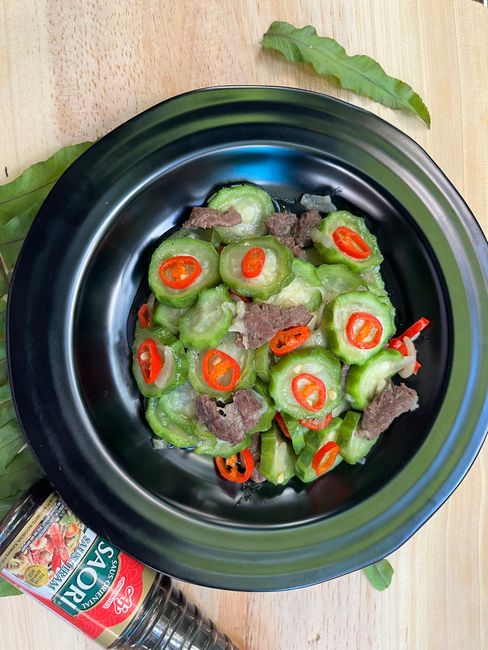
Bitter Melon and Black Bean Sauce Beef: A Flavorful Culinary Exploration
Bitter melon and black bean sauce beef is a classic Chinese stir-fry dish that tantalizes the taste buds with a complex interplay of flavors and textures. The assertive, slightly bitter notes of the bitter melon are masterfully balanced by the savory, umami-rich depth of fermented black beans, all coated in a glossy, aromatic sauce and paired with tender strips of beef. This dish, often found on the menus of Cantonese restaurants, represents a sophisticated culinary approach that embraces contrasting ingredients to create a harmonious and deeply satisfying meal. Understanding the components and their preparation is key to appreciating the full spectrum of this flavorful creation, from selecting the freshest ingredients to achieving the perfect stir-fry technique.
The star ingredient, bitter melon (also known as bitter gourd or karela), is a tropical vine that produces a unique fruit prized for its distinctive taste. While its bitterness can be off-putting to some, it is precisely this quality that makes it so valuable in culinary applications, particularly in Asian cuisines. Bitter melon’s bitterness is attributed to a group of triterpenoids, including momordicin, charantin, and cucurbitanes. These compounds are not only responsible for its characteristic flavor but also contribute to its purported health benefits, which include potential blood sugar-lowering properties, antioxidant activity, and a cooling effect on the body according to traditional Chinese medicine. When preparing bitter melon for stir-frying, it’s crucial to mitigate its intense bitterness without eradicating it entirely. This is typically achieved through a multi-step process. First, the melon is halved lengthwise, and the seeds and pith are meticulously scraped out. The flesh is then thinly sliced, often into half-moon shapes or diagonal pieces. The key step for reducing bitterness involves salting the sliced melon. This is done by tossing the slices with a generous amount of salt and letting them sit for 15-30 minutes. The salt draws out the bitter juices, which are then thoroughly rinsed away under cold running water. Some chefs may also opt for a brief blanching in boiling water, sometimes with a pinch of sugar or vinegar added to further temper the bitterness. The goal is to leave a subtle, pleasant bitterness that complements the other flavors rather than overpowering them. The texture of the bitter melon also transforms during cooking, becoming tender yet retaining a slight crispness, adding an enjoyable textural element to the dish.
Complementing the bitter melon is the essential element of fermented black beans, also known as douchi. These are not the common black beans used in Western cooking but rather soybeans that have been fermented and cured, typically with salt and spices. The fermentation process transforms the humble soybean into a potent flavor powerhouse. Fermented black beans possess an intensely savory, salty, and slightly pungent aroma and taste, with notes of umami and a subtle, earthy funk. They are the backbone of many classic Chinese stir-fries, providing a deep, complex flavor that is hard to replicate. For this dish, the fermented black beans are usually rinsed briefly to remove excess salt and then roughly chopped or minced. This releases their potent aroma and allows their flavor to meld seamlessly into the sauce. The intensity of their flavor means that a little goes a long way, and their careful incorporation is crucial for achieving a balanced dish. The quality of the fermented black beans can vary, so using a reputable brand is advisable for optimal flavor.
The beef component of this stir-fry typically involves tender cuts that are well-suited to quick cooking. Flank steak, sirloin, or even tenderloin are common choices. The key to tender beef in stir-fries lies in both the cut of meat and the preparation. The beef is usually thinly sliced against the grain. This technique shortens the muscle fibers, making the meat much more tender and easier to chew. Before stir-frying, the beef is marinated. This marination serves multiple purposes: it tenderizes the meat, adds flavor, and helps create a protective coating that allows the beef to cook quickly without drying out. A typical beef marinade might include a combination of soy sauce, Shaoxing wine (a Chinese cooking wine that adds depth and aroma), cornstarch (which acts as a tenderizer and helps create a velvety texture), a touch of sugar to balance the saltiness, and sometimes a splash of sesame oil for fragrance. The cornstarch, in particular, is crucial for creating the characteristic glossy coating on the beef. The beef is usually marinated for at least 15-30 minutes, or longer in the refrigerator for deeper flavor penetration.
The sauce is the unifying element that brings together the bitter melon, black beans, and beef. It is typically a savory, slightly sweet, and aromatic concoction that coats all the ingredients, infusing them with its deliciousness. The base of the sauce usually starts with a good quality soy sauce (both light and dark soy sauce can be used for varying levels of saltiness and color). Shaoxing wine is almost always included for its aromatic complexity. Oyster sauce, a thick, dark, and savory condiment derived from oyster extracts, adds another layer of umami and a subtle sweetness. A touch of sugar is essential to balance the saltiness of the soy sauce and oyster sauce and to complement the bitterness of the melon. Some recipes may also incorporate a bit of chicken broth or water to achieve the desired consistency. To thicken the sauce and give it a glossy sheen, a cornstarch slurry – a mixture of cornstarch and water – is added at the end of the cooking process. Garlic and ginger are indispensable aromatics, finely minced and sautéed at the beginning of the stir-fry process to build a fragrant foundation for the dish.
The cooking process for bitter melon and black bean sauce beef is a rapid and high-heat endeavor, characteristic of stir-frying. A wok is the ideal cooking vessel due to its ability to distribute heat evenly and efficiently. The process begins with heating the wok to a very high temperature, followed by the addition of cooking oil, typically a neutral oil like vegetable or peanut oil. First, the marinated beef is quickly stir-fried in batches until it is just browned on the outside but still pink in the center. This is crucial to prevent overcooking. The beef is then removed from the wok. Next, the aromatics – minced garlic and ginger – are added to the hot oil and stir-fried until fragrant, usually for just a few seconds. Then, the prepared fermented black beans are added and stir-fried briefly to release their aroma. The blanched and salted bitter melon slices are then introduced to the wok and stir-fried for a minute or two until they begin to soften. At this stage, the cooked beef is returned to the wok, along with the pre-mixed sauce ingredients. The stir-frying continues, and as the sauce begins to bubble, the cornstarch slurry is gradually added, stirring constantly until the sauce thickens and coats all the ingredients in a glossy glaze. A final drizzle of sesame oil can be added for an extra burst of nutty aroma just before serving.
The serving of bitter melon and black bean sauce beef is typically straightforward, most often enjoyed over steamed white rice. The fluffy rice acts as a perfect canvas to absorb the rich, flavorful sauce and to provide a neutral counterpoint to the bold flavors of the stir-fry. The visual appeal of the dish is also noteworthy, with the dark, glossy sauce, vibrant green of the bitter melon, and the deep brown of the beef creating an enticing presentation. The aroma that wafts from the plate is a testament to the careful layering of flavors, with hints of garlic, ginger, soy, and the distinctive scent of fermented black beans. Each bite offers a delightful contrast: the tender, savory beef, the slightly chewy and subtly bitter melon, and the intensely flavorful sauce. The texture profile is equally engaging, with the yielding beef, the tender-crisp melon, and the smooth, unctuous sauce.
Beyond its delicious flavor profile, bitter melon and black bean sauce beef is also celebrated for its nutritional contributions. Bitter melon, as mentioned, is a good source of vitamins C and A, as well as folate and potassium. It also contains fiber, which aids in digestion. While fermented black beans are high in sodium due to the curing process, they also offer protein and some trace minerals. The beef provides essential protein, iron, and B vitamins. When prepared with a moderate amount of oil and a balanced sauce, this dish can be a nutritious part of a balanced diet. However, individuals monitoring their sodium intake may wish to adjust the amount of soy sauce and fermented black beans used.
The versatility of this dish also contributes to its enduring popularity. While the classic combination is bitter melon and black bean sauce beef, variations exist. Some might add other vegetables such as bell peppers, onions, or mushrooms for added texture and flavor. The type of beef can also be adapted based on preference and availability. The core essence of the dish – the interplay of bitter, savory, and umami – remains consistent, making it a reliably satisfying choice.
In conclusion, bitter melon and black bean sauce beef is a testament to the art of balancing contrasting flavors and textures in Chinese cuisine. The assertive bitterness of the melon, expertly tempered, finds its perfect partner in the pungent, savory depth of fermented black beans. Encased in a rich, aromatic sauce and served with tender beef, this dish offers a complex and deeply satisfying culinary experience. Its preparation, while requiring attention to detail, rewards with a plate that is both visually appealing and bursting with flavor, solidifying its status as a beloved classic.
