
Cannabis Dea Drug Test
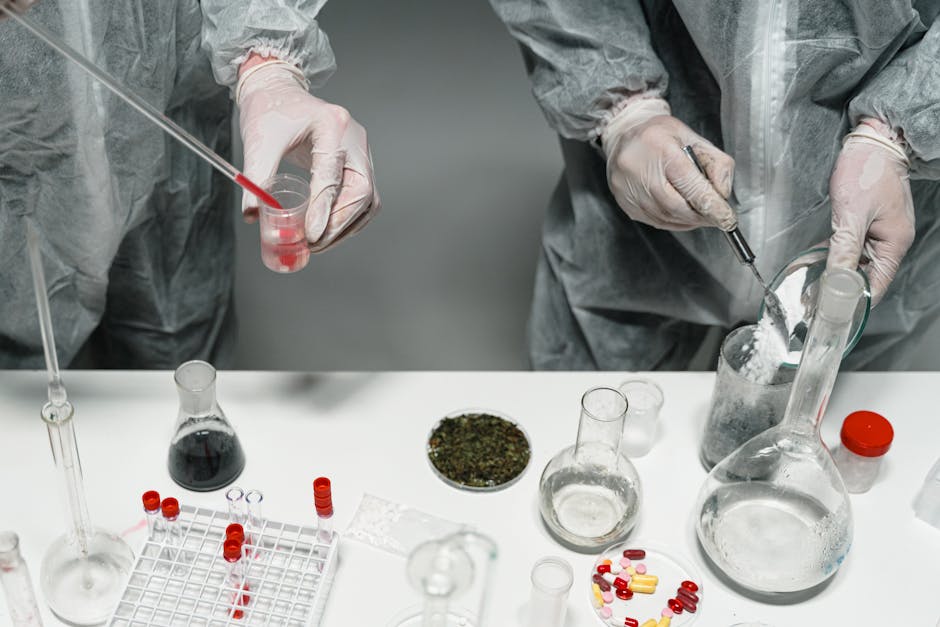
Cannabis DEA Drug Test: Understanding Detection, Frequencies, and Mitigation
The Drug Enforcement Administration (DEA) frequently utilizes drug testing as a component of its enforcement and investigative strategies. Among the substances most commonly screened for is cannabis, due to its widespread use and federal illegality. Understanding how cannabis is detected, the various testing methodologies employed, their detection windows, and strategies for mitigating positive results is crucial for individuals who may be subject to such testing. This article delves into the intricacies of cannabis DEA drug testing, providing comprehensive information for those seeking to navigate its complexities.
Cannabis Metabolites and Detection
The primary psychoactive compound in cannabis is delta-9-tetrahydrocannabinol (THC). However, it is not THC itself that is directly measured in most drug tests. Instead, drug tests typically detect THC’s metabolites, predominantly 11-nor-9-carboxy-THC (THC-COOH). THC is lipid-soluble and is metabolized by the liver into various compounds, including THC-COOH. This metabolite is then eliminated from the body through urine and feces, and it is this metabolite that accumulates in the body over time, making it detectable in biological samples. The accumulation is a direct consequence of chronic or frequent cannabis use, as the lipid-soluble nature of THC allows it to be stored in fatty tissues, from which it is slowly released and metabolized. The rate of this release and subsequent metabolism directly influences the detection window for cannabis.
Urine Drug Testing: The Gold Standard
Urine drug testing is the most prevalent method used by the DEA and many other organizations for cannabis detection. This is primarily due to its cost-effectiveness, non-invasiveness, and relatively straightforward administration. Immunoassay screening is the initial step in most urine drug tests. This method utilizes antibodies that bind to specific drug metabolites, including THC-COOH. If the concentration of THC-COOH in the urine sample exceeds a predefined cutoff level, the immunoassay will yield a positive result, triggering a confirmation test.
Confirmation Testing: Gas Chromatography-Mass Spectrometry (GC-MS)
A positive result from an initial immunoassay screening is almost always followed by a confirmation test to ensure accuracy and rule out false positives. The gold standard for confirmation testing is Gas Chromatography-Mass Spectrometry (GC-MS). GC-MS is a highly sensitive and specific analytical technique. The "gas chromatography" component separates the different compounds in the sample, while the "mass spectrometry" component identifies and quantifies them based on their mass-to-charge ratio. This method can definitively identify the presence of THC-COOH and distinguish it from other substances that might cross-react with immunoassay antibodies. The DEA relies heavily on GC-MS for its forensic and investigative drug testing to ensure the highest level of accuracy in its findings. The sensitivity of GC-MS means it can detect very low concentrations of metabolites, making it a formidable tool in drug enforcement.
Detection Windows for Cannabis in Urine
The detection window for cannabis in urine is highly variable and depends on several factors, including the frequency and intensity of cannabis use, individual metabolism, body fat percentage, and hydration levels. For occasional users (defined as using once or twice a week), THC-COOH can typically be detected for 1 to 3 days after the last use. Moderate users (using 3-5 times a week) may have a detection window of 7 to 21 days. Heavy or chronic users (using daily or multiple times a day) can have detectable levels of THC-COOH in their urine for 30 days or even longer, with some studies suggesting up to 90 days in extreme cases. The slow release of THC from fatty tissues is the primary driver for these extended detection windows in chronic users. Factors like exercise, which can mobilize fat stores, can potentially shorten or lengthen detection windows depending on when it occurs relative to the test.
Other Drug Testing Methods and Their Relevance to DEA Testing
While urine testing is the most common, other methods are also employed in drug testing, and some may be relevant to DEA operations depending on the specific context.
-
Blood Testing: Blood tests directly measure the presence of THC in the bloodstream. THC is detectable in blood for a much shorter period than its metabolites are in urine, typically for a few hours after smoking and up to 24-48 hours after ingestion. However, it can remain detectable for longer in chronic users due to residual THC in circulation. Blood tests are more indicative of recent impairment, whereas urine tests reflect past use. While less common for routine screening by the DEA, blood tests might be used in specific circumstances, such as impaired driving investigations.
-
Saliva (Oral Fluid) Testing: Saliva tests detect THC directly in oral fluid. They offer a short detection window, usually 24-72 hours, and are often used for roadside testing or as a rapid screening tool. They are useful for assessing recent drug use and impairment. The DEA may utilize saliva testing in certain operational scenarios where immediate results are required.
-
Hair Follicle Testing: Hair follicle testing can detect cannabis use for a significantly longer period, typically up to 90 days, and in some cases even longer. A small segment of hair is analyzed for drug metabolites that have been incorporated into the hair shaft as it grows. This method provides a historical record of drug use. While not as common as urine testing for routine screening, hair follicle testing can be employed by the DEA in cases where a long-term drug use history is relevant, such as in background investigations or for individuals in sensitive positions. The analysis of hair involves washing and then chemical extraction of metabolites, offering a robust historical overview.
Factors Influencing Detection
Several factors contribute to the variability in cannabis detection windows:
- Frequency and Dosage of Use: The more frequently and in larger quantities cannabis is consumed, the higher the concentration of THC metabolites will be in the body, leading to longer detection times.
- Metabolism: Individual metabolic rates vary. Those with faster metabolisms may eliminate THC metabolites more quickly.
- Body Fat Percentage: THC is fat-soluble, meaning it is stored in adipose tissue. Individuals with higher body fat percentages may retain THC metabolites for longer periods as these tissues are slowly depleted.
- Hydration Levels: Dehydration can lead to more concentrated urine, potentially increasing the likelihood of detecting metabolites above the cutoff level. Conversely, excessive hydration can dilute urine.
- Type of Cannabis Product: Edibles are metabolized differently and can lead to longer-lasting effects and potentially different metabolite profiles compared to smoked cannabis.
- Method of Administration: Inhaled THC enters the bloodstream quickly, while ingested THC is metabolized by the liver, leading to a slower onset and potentially longer detection window.
Strategies for Mitigation and "Detox"
For individuals facing DEA drug testing, understanding mitigation strategies is paramount. It is crucial to note that the effectiveness of many "detox" methods is debatable and can range from entirely ineffective to potentially harmful. The most reliable method to avoid a positive result is complete abstinence from cannabis. However, for those with impending tests and a history of use, certain approaches are explored:
-
Abstinence: This is the most straightforward and effective strategy. Ceasing all cannabis consumption allows the body to naturally eliminate THC metabolites. The longer the abstinence period, the lower the concentration of metabolites, increasing the chances of a negative result.
-
Hydration: While excessive hydration can lead to dilution, drinking adequate water in the days leading up to a test can help the body flush out metabolites. However, simply drinking large quantities of water immediately before a test can lead to a "dilute" sample, which may be flagged as suspicious and require retesting.
-
Diet and Exercise: A healthy diet and regular exercise can support overall metabolism and potentially aid in the elimination of THC metabolites, especially if exercise helps mobilize fat stores. However, intense exercise immediately before a drug test might release stored THC metabolites, potentially increasing their concentration in urine.
-
Detox Drinks and Kits: A plethora of "detox" drinks and kits are available on the market, claiming to cleanse the body of drug metabolites. The scientific evidence supporting the efficacy of most of these products is limited. Many work by temporarily diluting the urine or masking the presence of metabolites through the addition of specific substances (e.g., B vitamins for color, diuretics). Their effectiveness is highly dependent on the individual, the specific product, and the time elapsed since last use. These are often considered a gamble.
-
Substitution: This involves attempting to substitute the urine sample with a synthetic or someone else’s clean urine. This is a form of cheating and carries significant risks, including severe legal consequences if detected. DEA testing protocols often include mechanisms to detect sample tampering, such as temperature monitoring of the sample and adulterant testing.
-
Medications and Supplements: Certain medications and supplements are sometimes anecdotally reported to aid in detoxification. However, there is no scientific consensus or robust evidence to support their efficacy in reliably reducing THC metabolite levels to below detection thresholds for official drug tests.
Understanding DEA Testing Protocols
The DEA adheres to strict protocols when conducting drug tests to ensure accuracy and legal defensibility. These protocols typically involve:
- Chain of Custody: A meticulous record is maintained of the sample from collection to analysis, documenting every person who handles it. This prevents tampering and ensures sample integrity.
- Sample Collection: Trained personnel oversee sample collection to prevent tampering and ensure the correct procedure is followed. For urine tests, this often involves direct observation or collection in a controlled environment.
- Cutoff Levels: Drug tests are calibrated to specific cutoff levels established by organizations like the Substance Abuse and Mental Health Services Administration (SAMHSA). Samples falling below these levels are considered negative.
- Confirmation Testing: As mentioned, all presumptive positive results are confirmed through a more sophisticated analytical method like GC-MS.
The Role of Cannabis Legality
The legal status of cannabis is a complex factor influencing DEA drug testing. While many states have legalized cannabis for medical and/or recreational use, it remains a Schedule I controlled substance under federal law. This federal classification means that federal agencies, including the DEA, are obligated to enforce federal drug laws, which prohibit cannabis. Therefore, despite state-level legalization, federal drug testing policies and enforcement often remain unchanged, particularly for federal employees, contractors, and individuals involved in federal law enforcement or investigations. This creates a disparity where an act legal in one jurisdiction may still result in consequences under federal purview.
Conclusion
Navigating cannabis DEA drug testing requires a thorough understanding of the science behind detection, the various testing methodologies, and the factors influencing detection windows. While abstinence remains the most reliable method to ensure a negative result, awareness of potential mitigation strategies is important. The DEA’s rigorous testing protocols, including chain of custody and confirmation analysis, underscore the seriousness with which these tests are conducted. Individuals facing such testing are strongly advised to consult with legal counsel or qualified professionals to understand their rights and the implications of any potential positive results within the framework of federal law and DEA policy. The ongoing evolution of cannabis laws and public perception continues to shape discussions around drug testing policies, but for now, federal enforcement remains a significant consideration.
