
Category Baking Pastry Arts
Category: Baking Pastry Arts
Baking pastry arts represent a sophisticated and multifaceted discipline within the culinary world, encompassing a vast array of techniques, ingredients, and creative applications. It’s a field that blends scientific precision with artistic expression, demanding both an understanding of chemical reactions and an innate sense of aesthetic appeal. At its core, pastry arts involve the creation of desserts, confections, and baked goods that are not only delicious but also visually stunning. This category is far more than simply following recipes; it’s about mastering the fundamentals of dough hydration, leavening agents, sugar crystallization, fat emulsification, and temperature control to achieve desired textures, flavors, and structures.
The foundational elements of baking pastry arts begin with an in-depth knowledge of ingredients. Flour, the primary structural component, is classified by its protein content, which dictates its gluten-forming potential. High-protein flours like bread flour are ideal for chewy textures, while low-protein flours such as cake flour are preferred for tender crumbed cakes. Understanding the role of different types of flour – all-purpose, pastry flour, bread flour, whole wheat, almond flour, rice flour – is crucial for tailoring recipes to specific outcomes. Fats, such as butter, shortening, and oils, contribute to tenderness, flakiness, and flavor. Butter, with its unique flavor and water content, creates distinct textures compared to neutral shortening or liquid oils. Sugar is not merely for sweetness; it contributes to browning through caramelization and Maillard reactions, tenderizes baked goods by interfering with gluten development, and aids in moisture retention. Leavening agents, including yeast, baking soda, and baking powder, are essential for creating airy and light textures. Yeast ferments sugars to produce carbon dioxide, while chemical leaveners react with moisture and heat to generate gas. Eggs play a multifaceted role, acting as binders, emulsifiers, leaveners, and providing richness and color.
Beyond these core ingredients, specialty items like chocolate, dairy products (milk, cream, yogurt), nuts, fruits, and spices add layers of flavor, texture, and visual appeal. The sourcing and quality of these ingredients significantly impact the final product. For instance, high-quality couverture chocolate with a high cocoa butter content will yield a superior gloss and snap compared to compound chocolate. Understanding the nuances of different cocoa powders – natural vs. Dutch-processed – is also vital, as their acidity levels affect their interaction with baking soda.
The techniques employed in baking pastry arts are equally diverse. Lamination, the process of repeatedly folding dough with butter to create thin layers, is fundamental to producing flaky pastries like croissants, puff pastry, and Danish pastries. This requires precise temperature control to keep the butter solid and distinct from the dough during the folding process. Creaming, the process of beating butter and sugar together until light and fluffy, incorporates air, which contributes to leavening and a tender crumb in cakes and cookies. Emulsification, particularly in custards and sauces, involves combining ingredients that would normally separate, like egg yolks and fats, to create a smooth and stable mixture. Tempering chocolate, a controlled heating and cooling process, stabilizes cocoa butter crystals to achieve a glossy finish, a firm snap, and resistance to blooming. Meringue preparation, whether French (raw egg whites whipped with sugar), Italian (hot sugar syrup poured into whipping egg whites), or Swiss (egg whites and sugar gently heated over a double boiler before whipping), offers varying degrees of stability and texture for toppings, fillings, and delicate confections.
The category of baking pastry arts can be broadly divided into several sub-categories, each with its own unique set of challenges and specializations.
Breads and Yeasted Doughs: This sub-category focuses on the science of fermentation and gluten development. Understanding the behavior of yeast, the impact of hydration levels, and the importance of kneading are paramount. Artisanal bread making, with its emphasis on long fermentation times and natural starters (sourdough), is a prominent aspect. Techniques include autolyse, bulk fermentation, proofing, shaping, and scoring. The development of a strong gluten network is critical for achieving an open crumb structure and a desirable crust. Sourdough starters, cultivated from wild yeasts and bacteria, introduce complex flavors and leavening power.
Cakes and Batters: This encompasses a wide range of products from delicate sponge cakes to rich butter cakes and cheesecakes. Techniques include creaming, reverse creaming (adding butter to dry ingredients), and the genoise method (whipping whole eggs and sugar). Frostings and fillings, such as buttercream, ganache, cream cheese frosting, and fruit curds, are integral to cake decoration and flavor. Understanding the role of leavening agents in creating a light and airy crumb is key, as is achieving consistent moisture and tenderness.
Pies and Tarts: The foundation of pies and tarts lies in their crusts, which require careful handling of fats and flour to achieve flakiness or tenderness. Different crust types include flaky pie crust, pâte brisée (shortcrust pastry), and pâte sablée (sweet shortcrust pastry). Fillings can range from fruit-based to custard and cream fillings, each requiring specific cooking and setting techniques. Blind baking, par-baking the crust before adding the filling, is often employed to prevent a soggy bottom.
Cookies and Biscuits: This diverse category includes everything from crisp, thin cookies to chewy, soft ones and shortbreads. Fat content, sugar type, and baking time are crucial variables influencing texture. Techniques like chilling dough, using different types of flour, and controlling oven temperature play significant roles. Varieties include drop cookies, cut-out cookies, bar cookies, and molded cookies.
Chocolates and Confections: This area demands precision in temperature control and ingredient ratios for tempering chocolate, creating caramels, fudges, nougats, and gummies. Understanding sugar crystallization is fundamental to achieving desired textures, from smooth and creamy to crisp and brittle. The art of chocolate tempering, as mentioned earlier, is a highly specialized skill.
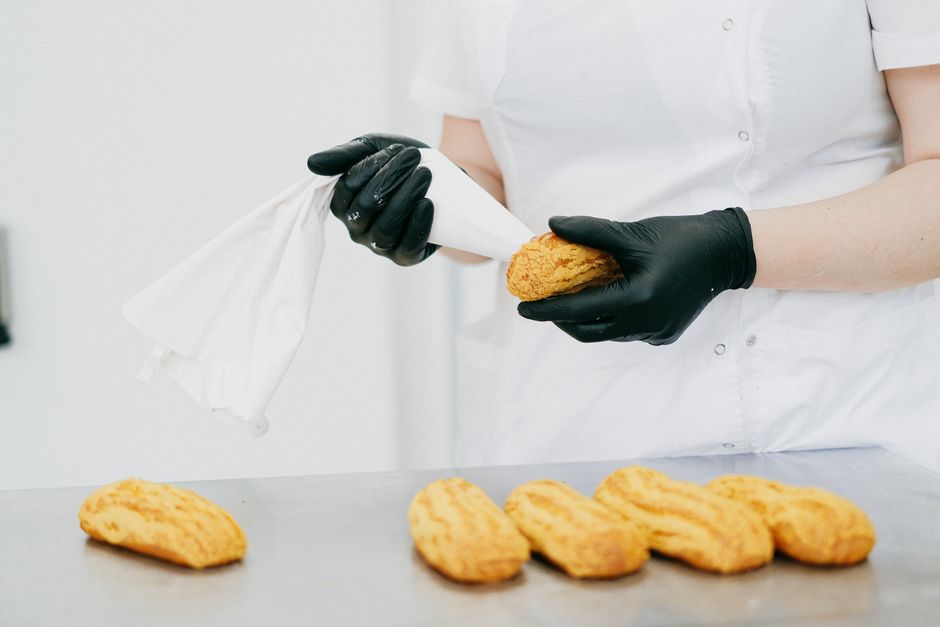
Pastries (Laminated Doughs and Cream Puffs): This includes croissants, puff pastry, Danish pastries, éclairs, and cream puffs. Lamination, the creation of thin layers of dough and butter, is the hallmark of many of these items. The precise folding and chilling required for puff pastry and croissants demand meticulous attention to detail. Cream puffs and éclairs rely on pâte à choux, a cooked dough that puffs significantly in the oven due to the steam generated from its high moisture content.
Plated Desserts: This is where pastry arts truly meet haute cuisine. Plated desserts are artistic compositions, often featuring multiple components such as cakes, mousses, sorbets, sauces, and garnishes, all meticulously arranged on a plate. This requires a mastery of various pastry techniques, flavor pairings, and an exceptional eye for presentation and design. The balance of textures, temperatures, and flavors is paramount in creating a cohesive and memorable dessert experience.
The Role of Technology and Innovation: Modern pastry arts are increasingly influenced by technology and innovation. Precision scales, digital thermometers, immersion circulators for sous vide preparations, and specialized ovens with programmable settings allow for greater control and reproducibility. Molecular gastronomy techniques, while sometimes controversial, have introduced new possibilities for texture manipulation and ingredient transformation, such as spherification and foams. 3D food printing is also emerging as a tool for creating intricate decorative elements.
Professional Development and Career Paths: Aspiring pastry chefs can pursue formal education through culinary schools and pastry arts programs, or gain apprenticeships in established kitchens. Career paths can range from working in high-end restaurants, hotels, and patisseries to owning a bakery, specializing in wedding cakes, or becoming a food stylist or consultant. Continuous learning and adaptation to new trends and techniques are essential for success in this dynamic field. Certifications from professional organizations can also enhance credibility and career prospects.
Artistic Expression and Design: Beyond the technical proficiency, baking pastry arts thrive on creativity and artistic expression. This involves understanding color theory, composition, and form to create visually appealing desserts. Intricate piping techniques, sugar sculpting, edible flower arrangements, and the use of molds and stencils all contribute to the aesthetic. The ability to translate a concept or theme into a delicious and beautiful dessert is a hallmark of a skilled pastry artist. Flavor pairings are also an art form, balancing sweetness with acidity, bitterness, and savory notes for a complex and satisfying taste experience.
Hygiene and Food Safety: Paramount to all aspects of baking pastry arts is an unwavering commitment to hygiene and food safety. Proper handling of ingredients, maintaining clean workspaces and equipment, understanding temperature danger zones, and practicing safe food storage are non-negotiable. Adherence to regulations and best practices prevents foodborne illnesses and ensures the integrity of the finished products.
In conclusion, baking pastry arts is a rich and intricate discipline that demands a profound understanding of ingredients, precise execution of techniques, and a keen artistic sensibility. From the fundamental chemistry of leavening to the avant-garde creations of plated desserts, it is a field that continuously evolves, offering endless opportunities for innovation and creative expression. Mastering this category involves a dedication to precision, a passion for flavor, and an unwavering commitment to artistry.