Comprehensive Guide: How to Reactivate a Deactivated Kartu Indonesia Sehat (KIS) for PBI BPJS Kesehatan Participants

Navigating the complexities of Indonesia’s national health insurance system can occasionally present administrative hurdles, particularly for vulnerable populations relying on government-subsidized healthcare. Among the most critical social protection programs administered by the state is the Kartu Indonesia Sehat (KIS) under the Penerima Bantuan Iuran (PBI) scheme. Designed specifically for low-income families, individuals, and marginalized communities, the PBI BPJS Kesehatan ensures that eligible beneficiaries receive comprehensive medical services without the burden of paying monthly out-of-pocket premiums. These contributions are fully subsidized by the Indonesian government through the state budget (APBN).
However, thousands of participants frequently discover that their health insurance cards have suddenly become inactive or non-functional at the exact moment they require urgent medical attention. Understanding the underlying causes of this administrative suspension, mastering the step-by-step reactivation process, and knowing how to continuously monitor eligibility status are vital skills for beneficiaries and social caseworkers alike. This in-depth investigative report outlines the precise protocol required to restore a deactivated KIS PBI card, explores the systemic reasons behind these policy interruptions, and evaluates the broader socioeconomic implications of maintaining universal health coverage continuity.
Understanding the PBI BPJS Kesehatan Framework and Deactivation Triggers
The KIS PBI framework is a cornerstone of Indonesia’s National Health Insurance (JKN) ecosystem, managed jointly by the Social Security Administering Body for Health (BPJS Kesehatan) and the Ministry of Social Affairs (Kemensos). When operational, an active PBI status grants beneficiaries access to a wide array of treatments, ranging from routine primary care consultations at local community health centers (Puskesmas) to advanced surgical procedures in designated regional hospitals.
Despite its vital function, the database governing these entitlements undergoes rigorous, continuous evaluations. Consequently, thousands of cards are routinely deactivated due to strict administrative criteria. According to regulatory guidelines enforced by the government, several primary factors contribute to the suspension or deactivation of a PBI BPJS Kesehatan card:
Exclusion from the National Single Social and Economic Data Registry (DTSEN): The government frequently updates its central database to reflect changes in household welfare. If an evaluation indicates that a family’s socioeconomic standing has risen above the poverty threshold, or if data mismatches occur during periodic updates, the system automatically flags the participant for exclusion.
Mortality and Data Duplication: The deactivation protocol immediately processes records of deceased participants. Furthermore, administrative errors, such as duplicate National Identity Numbers (NIK) or mismatched family registry data (Kartu Keluarga), often trigger automated security blocks to prevent fraud and administrative discrepancies within the system.
Inconsistency in Civil Registration Data: Discrepancies between a citizen’s physical identity card (KTP) and the data recorded in the Directorate General of Population and Civil Registration (Dukcapil) database frequently result in temporary card freezes until verification is successfully completed.
Step-by-Step Protocol: How to Reactivate a Deactivated KIS BPJS Card
For participants whose cards have been rendered inactive, panic is unnecessary, provided they follow the established administrative channels for reactivation. Reclaiming health coverage rights requires a methodical approach involving multiple government agencies. Below is the definitive, comprehensive guide to reinstating a deactivated PBI Jaminan Kesehatan card.
- Initial Verification via BPJS Kesehatan Channels
Before initiating physical paperwork, participants must verify the exact status and reason for deactivation. This can be accomplished remotely or in person:
BPJS Kesehatan Care Center 165: Beneficiaries can dial 165 from any mobile or landline phone to speak directly with customer service representatives. By providing the National Identity Number (NIK) or the JKN-KIS card number, callers can ascertain whether the account is merely suspended, permanently deleted, or subject to administrative review.
Mobile JKN Application: Users with smartphone access can download the official Mobile JKN application, log in using their credentials, and navigate to the participant information menu to review their real-time insurance status.
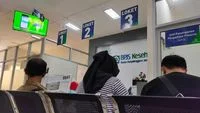
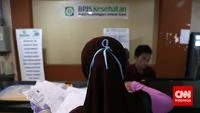
Direct Branch Visit: Visiting the nearest BPJS Kesehatan branch office with a valid KTP and Kartu Keluarga allows front-desk officers to run a comprehensive diagnostic on the account.
- Reporting to the Local Social Office (Dinas Sosial)
Because PBI status is fundamentally tied to social welfare classification, the primary authority for requesting re-enrollment or reactivation is the local municipal or regency Social Office (Dinas Sosial). Participants must physically report to their regional office equipped with a specific portfolio of mandatory documents:
Original and photocopies of the National Identity Card (KTP) for all household members.
The official Family Registry Card (Kartu Keluarga – KK).
The physical JKN-KIS or KIS card, alongside any supplementary welfare documentation such as the Prosperous Family Card (Kartu Keluarga Sejahtera – KKS), if applicable.
These documents are critical for caseworkers to cross-reference the applicant’s identity against the Integrated Social Welfare Data (DTKS) or the newly designated DTSEN framework.
- Securing an Official Recommendation Letter
Following the submission and physical verification of identity documents, the local Social Office evaluates whether the applicant still meets the strict poverty criteria required for PBI subsidization. If the evaluation confirms eligibility, the Dinas Sosial will officially issue a formal recommendation letter (Surat Keterangan). This document is formally addressed to the Head of the local BPJS Kesehatan Branch Office, formally requesting the re-activation of the participant’s PBI Jaminan Kesehatan status based on verified need.
- Finalizing Re-enrollment and System Updates
Armed with the official recommendation letter from the Social Office, the participant or an authorized family representative must return to the BPJS Kesehatan branch office. The administrative staff will process the physical documentation and queue the account for system re-activation.
It is vital to note that this process is rarely instantaneous. System updates depend heavily on verification cycles and regulatory quotas. For individuals whose PBI status has been inactive for more than six consecutive months, the administrative hurdles are often more rigorous, frequently requiring a complete re-verification of the household’s socioeconomic standing within the local neighborhood (RT/RW) and sub-district (Kelurahan) levels.
Preventative Measures and Routine Status Monitoring
To mitigate the risk of experiencing a sudden medical emergency only to discover an inactive healthcare card, experts and institutional authorities strongly recommend routine monitoring. Beneficiaries should adopt a proactive stance by checking their active status at least once every three months.
Using the Mobile JKN application is the most efficient preventative measure, as it provides instant notifications regarding policy updates, premium status changes, or administrative flags. Alternatively, utilizing the 24/7 Care Center 165 ensures that even citizens without smartphone access can remain informed about their active standing within the national healthcare grid.
Broader Socioeconomic Implications and Systemic Challenges
The mechanics of maintaining a seamless social safety net in a nation as vast and populous as Indonesia present immense logistical challenges. The frequent deactivation and subsequent reactivation procedures highlight a persistent friction between automated data integration and the dynamic, rapidly shifting realities of grassroots economic conditions.
When vulnerable citizens face administrative barriers in reactivating their KIS PBI cards, the immediate human cost can be severe. Delays in accessing vital treatments for chronic illnesses, maternal care, or emergency surgeries risk exacerbating health disparities and driving low-income families deeper into poverty due to unexpected out-of-pocket medical expenditures.
Public health analysts consistently argue that while data cleansing is necessary to prevent fiscal leakage and ensure that subsidies reach genuinely deserving populations, the transition periods must be handled with greater institutional flexibility. Streamlining the communication channels between the Ministry of Social Affairs, Dukcapil, and BPJS Kesehatan remains an urgent priority for minimizing bureaucratic red tape.
Ultimately, ensuring the resilience of universal health coverage in Indonesia depends on bridging the gap between bureaucratic oversight and humanitarian accessibility. By following the outlined protocols—contacting BPJS Kesehatan, coordinating with local Social Offices, securing official recommendations, and regularly auditing personal data—beneficiaries can successfully navigate the system, safeguard their fundamental right to healthcare, and maintain unbroken access to essential medical services.