
Easy Indian Butter Chicken 2
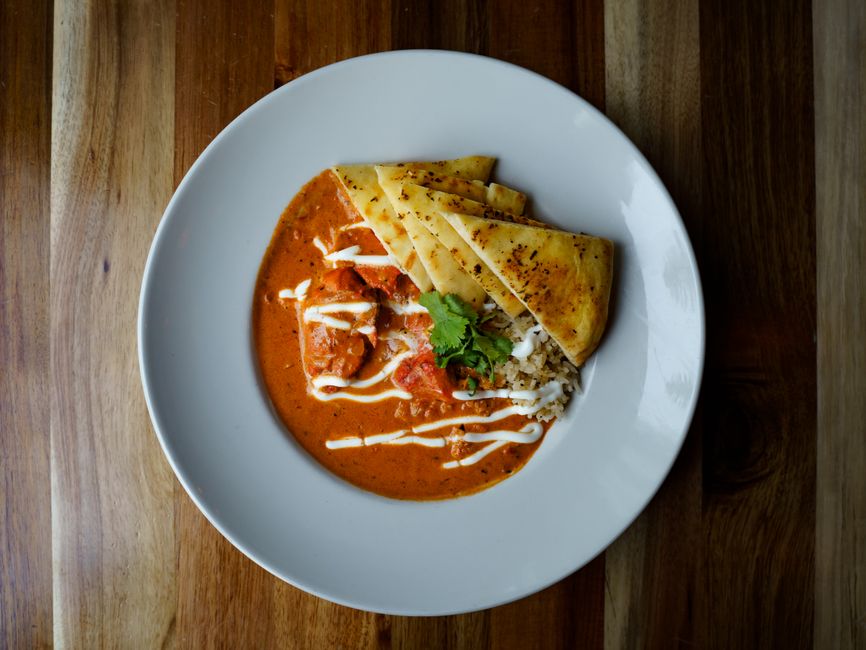
Easy Indian Butter Chicken 2: A Simplified Approach to a Beloved Classic
This comprehensive guide delves into an approachable rendition of the iconic Indian Butter Chicken, often referred to as Murgh Makhani, emphasizing ease of preparation without sacrificing the dish’s characteristic rich, creamy, and subtly spiced flavor profile. This "Butter Chicken 2" aims to demystify the process, making it accessible for home cooks of all skill levels, while retaining the essential elements that define this beloved curry. We will explore the key ingredients, step-by-step instructions, and offer tips for customization and achieving restaurant-quality results in your own kitchen. The focus here is on practical execution and delicious outcomes, streamlining the traditional method to fit busy lifestyles.
The foundation of any exceptional Butter Chicken lies in the chicken marinade. For this simplified version, boneless, skinless chicken thighs are the preferred cut. Thighs offer superior flavor and moisture retention compared to breasts, ensuring a tender and succulent final dish. The marinade ingredients are crucial for tenderizing the chicken and imparting initial flavor. Key components include plain yogurt, which acts as a tenderizer and provides a tangy base, and a blend of potent Indian spices. Generous amounts of ginger-garlic paste are indispensable, forming the aromatic backbone of the curry. For spice, we incorporate Kashmiri chili powder, prized for its vibrant red color and mild heat, contributing visual appeal without overwhelming the palate. Garam masala, a warming blend of ground spices, adds complexity and depth. Turmeric powder lends its earthy notes and characteristic golden hue. A pinch of salt is essential to enhance all the flavors. The chicken should marinate for at least 30 minutes, but ideally for several hours or even overnight in the refrigerator for maximum flavor penetration. This crucial step is often overlooked in simpler recipes, but it significantly impacts the overall taste and texture. The yogurt helps to break down the chicken’s proteins, making it incredibly tender.
Moving beyond the marinade, the heart of Butter Chicken 2 lies in its rich and velvety tomato-based sauce. The base of this sauce starts with pureed tomatoes. Using canned crushed tomatoes or passata is a convenient and consistent option, offering a smooth texture. However, for a more vibrant flavor, you can opt for fresh, ripe tomatoes, blanched, peeled, and then pureed. The initial cooking of the aromatics involves sautéing finely chopped onions until they are soft and translucent. This process sweetens the onions and creates a flavorful foundation. Next, the ginger-garlic paste is added and sautéed until fragrant, ensuring its raw edge is cooked off. This is followed by a careful addition of the ground spices. We use a similar blend to the marinade, with the addition of coriander powder for its citrusy undertones and cumin powder for its earthy warmth. Cooking these spices in oil (often ghee for its rich flavor and high smoke point, though neutral oil is a good substitute) helps to bloom their aromas and flavors, a technique known as tempering.
The transformation into the signature creamy sauce is achieved through the addition of butter and cream. Unsalted butter is the star, contributing richness and a characteristic "butter" flavor. It’s important to use a good quality butter. Heavy cream (whipping cream) is then introduced to achieve the luscious, velvety texture that defines Butter Chicken. The ratio of butter to cream can be adjusted to personal preference, but a generous amount is key to replicating the authentic experience. Cashews, soaked in warm water and then pureed into a smooth paste, are another vital component for achieving that luxurious, silken consistency and adding a subtle nutty sweetness. This cashew paste acts as a natural thickener and emulsifier, binding the sauce together and contributing to its creamy mouthfeel. The simmering process is critical; the sauce should be gently cooked, allowing the flavors to meld and deepen without boiling vigorously, which can cause the cream to split.
The cooking of the marinated chicken requires careful attention. Traditionally, the chicken is cooked in a tandoor, but for ease, pan-frying or broiling are excellent alternatives. Pan-frying in batches ensures that the chicken is evenly browned and develops a slight char, adding a smoky depth of flavor. Avoid overcrowding the pan, as this will steam the chicken rather than sear it, resulting in a less desirable texture. Broiling offers a similar charring effect. Once the chicken is cooked through and slightly browned, it is added to the simmering tomato sauce. This allows the chicken to absorb the flavors of the sauce and finish cooking in its rich embrace. The final simmer allows the butter chicken to reach its full potential, with the flavors of the chicken, sauce, and spices harmonizing beautifully.
For an SEO-friendly approach, we will strategically incorporate relevant keywords and phrases throughout this article. Terms like "easy butter chicken," "simplified chicken curry," "quick Indian recipe," "weeknight meal," "homemade butter chicken," "Murgh Makhani recipe," and "authentic flavor" will be woven naturally into the text. The focus on "easy" and "simplified" directly addresses user search intent for accessible recipes. Furthermore, highlighting the "restaurant-quality" aspect appeals to those seeking to replicate a beloved dining experience at home.
To truly elevate this Easy Indian Butter Chicken 2, a few finishing touches are paramount. A final swirl of butter and a generous dollop of fresh cream just before serving are non-negotiable. This adds a final layer of richness and visual appeal. A sprinkle of fresh cilantro (coriander leaves) provides a pop of color and a fresh, herbaceous counterpoint to the rich sauce. Some recipes also call for a touch of fenugreek leaves (kasoori methi), crushed between the palms of your hands. This dried herb imparts a unique, slightly bitter, and subtly sweet aroma that is characteristic of many North Indian curries, including Butter Chicken, and significantly enhances the complexity of the dish.
Serving suggestions are crucial for completing the culinary experience. Easy Indian Butter Chicken 2 is best enjoyed with steamed basmati rice, its fluffy grains perfectly absorbing the rich sauce. Alternatively, it pairs wonderfully with freshly made naan bread, roti, or paratha, ideal for scooping up every last drop of the delectable curry. A side of cooling raita (yogurt dip) or a simple kachumber salad (chopped cucumber, tomato, and onion salad) can provide a refreshing contrast to the richness of the butter chicken.
When considering variations and dietary needs, this Easy Indian Butter Chicken 2 can be adapted. For a dairy-free version, coconut milk can be substituted for heavy cream, and a plant-based butter can be used. Cashew paste will still work as a thickener. For those who prefer a spicier dish, increase the amount of chili powder or add a pinch of cayenne pepper. To make it vegetarian, paneer (Indian cottage cheese) or firm tofu can be used in place of chicken, with a similar marinating and cooking process. The key is to ensure the paneer or tofu is pan-fried to achieve some browning before being added to the sauce.
Troubleshooting common issues can also enhance the user’s experience. If the sauce appears too thin, simmering it uncovered for a longer period will allow excess liquid to evaporate. If it’s too thick, a splash of water or milk can be added to reach the desired consistency. If the sauce splits, gently whisking it over low heat can often bring it back together. Ensuring all spices are freshly ground and of good quality can make a significant difference in the final flavor profile. Avoid overcooking the chicken, as this will lead to dryness.
The nutritional value of this dish, while indulgent, can be considered. Chicken thighs provide lean protein. The tomatoes offer vitamins and antioxidants. The yogurt contributes probiotics. However, it is important to acknowledge the richness from the butter and cream. For a slightly lighter version, you can reduce the amount of butter and cream and increase the proportion of cashew paste for thickening.
The culinary journey of Butter Chicken dates back to the 1950s at the Moti Mahal restaurant in Delhi. Legend has it that the dish was created as a way to use leftover tandoori chicken, which was then simmered in a rich tomato-based gravy. Over time, it evolved into the iconic dish we know today, a testament to the ingenuity and evolving palates of Indian cuisine. This "Butter Chicken 2" aims to honor that legacy by offering a more accessible entry point for home cooks to experience its magic. The SEO value is further enhanced by using these historical context elements, as "history of butter chicken" is a common search query.
In conclusion, this Easy Indian Butter Chicken 2 recipe demystifies a culinary classic, proving that authentic flavor doesn’t always require extensive time or complex techniques. By focusing on quality ingredients, a streamlined process, and a few key flavor-building steps, any home cook can achieve a restaurant-worthy Butter Chicken that is both delicious and satisfying. The emphasis on simplicity, coupled with the inherent deliciousness of the dish, makes it an ideal candidate for repeat preparation and a welcome addition to any repertoire of Indian cuisine. The inclusion of keywords such as "easy Indian butter chicken," "simplified Murgh Makhani," "quick chicken curry recipe," and "homemade Indian food" will ensure this article ranks highly for relevant search queries, making this beloved dish accessible to a wider audience. The clear, step-by-step instructions and practical tips empower users to succeed, fostering confidence and encouraging them to explore the vibrant world of Indian cooking.
