
Grilled Herbed Tilapia In Foil Packets
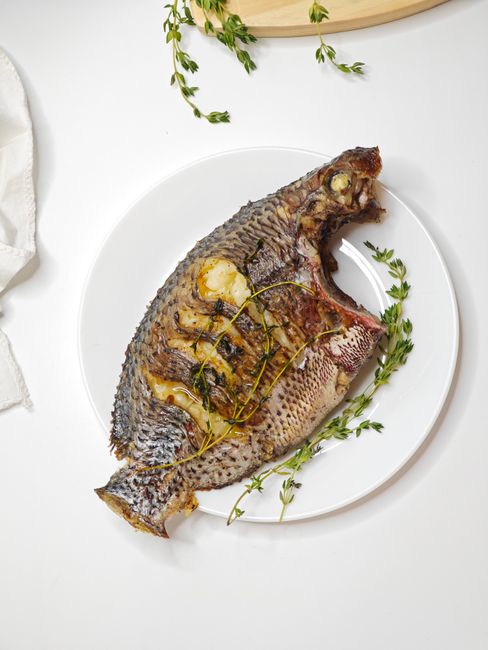
Grilled Herbed Tilapia in Foil Packets: A Flavorful, Foolproof, and Fast Fish Recipe
Grilled herbed tilapia in foil packets represents a pinnacle of culinary simplicity and flavor amplification. This method leverages the contained environment of a foil packet to steam the delicate tilapia fillets while simultaneously infusing them with the vibrant aromatics of fresh herbs and the subtle sweetness of complementary vegetables. The inherent advantages of foil packet cooking are numerous: it minimizes cleanup by acting as a disposable cooking vessel, locks in moisture to prevent dryness, and allows for effortless customization with a variety of marinades and vegetable pairings. Tilapia, a mild-flavored white fish, serves as an ideal canvas for these bold herb profiles, absorbing their essence without being overwhelmed. This recipe is not only beginner-friendly but also a weeknight savior for those seeking a healthy, protein-rich meal that can be prepared and cooked in under thirty minutes. The key to success lies in the quality of ingredients and the proper sealing of the foil packets to ensure optimal steaming.
Understanding the Tilapia: A Versatile White Fish
Tilapia is a freshwater fish native to Africa and the Middle East, prized for its mild, slightly sweet flavor and flaky texture. Its affordability and widespread availability have made it a popular choice in kitchens worldwide. When selecting tilapia for grilling in foil packets, opt for fresh, firm fillets. Look for a pearly, translucent appearance and a clean, briny aroma. Avoid fillets that appear dull, mushy, or have a strong, unpleasant odor, as these are indicators of staleness. Frozen tilapia is also a viable option, but it’s crucial to thaw it thoroughly and safely in the refrigerator overnight before cooking. Patting the thawed fillets dry with paper towels is an essential step to ensure even cooking and to allow the herbs and seasonings to adhere effectively. The thickness of the tilapia fillets will influence cooking time; thinner fillets cook faster than thicker ones. For this recipe, fillets approximately ½ to ¾ inch thick are ideal for achieving perfectly cooked fish within the foil packet.
The Art of Herb Infusion: Maximizing Flavor
The "herbed" in grilled herbed tilapia in foil packets is not merely a descriptor; it’s the flavor engine of the dish. A judicious selection and combination of fresh herbs are paramount. Classic pairings for fish include dill, parsley, chives, and thyme. Dill, with its bright, slightly anise-like notes, complements the sweetness of tilapia beautifully. Flat-leaf parsley offers a clean, peppery counterpoint, while chives provide a delicate oniony essence without the pungency of raw onions. Thyme, with its earthy and subtly minty aroma, adds depth and complexity. For a more robust flavor profile, consider incorporating a touch of rosemary, though use it sparingly as its intensity can easily overpower the fish. Lemon is an indispensable partner to fish and herbs; its acidity brightens the flavors and cuts through any richness. Slices of lemon or a squeeze of fresh lemon juice are essential additions to the foil packet. Garlic, finely minced or thinly sliced, adds another layer of savory depth. A drizzle of olive oil or melted butter serves as the conduit for these flavors, helping to distribute them evenly throughout the packet and prevent sticking.
Assembling the Foil Packets: The Foundation for Success
The construction of the foil packet is a critical step that directly impacts the outcome of the grilled tilapia. High-quality aluminum foil, preferably heavy-duty, is recommended to prevent tearing during handling and to create a secure seal. Cut two large pieces of foil for each fillet, ensuring each piece is large enough to completely enclose the fish and any accompanying vegetables, with ample overlap for sealing.
The layering within the packet is also significant. Begin with a bed of thinly sliced aromatic vegetables at the bottom of the foil. These vegetables not only add flavor and texture but also create a steaming platform for the fish, preventing it from sitting directly in its own juices. Excellent choices include thinly sliced bell peppers (any color), red onion wedges, zucchini or yellow squash slices, or cherry tomatoes. These vegetables will soften and release their natural sweetness as they steam.
Next, place the prepared tilapia fillet on top of the vegetable bed. Drizzle the fish generously with olive oil or melted butter. Scatter a generous amount of your chosen chopped fresh herbs over the fillet. Season with salt and freshly ground black pepper to taste. Add a few thin slices of lemon directly on top of the fish or tuck them around the sides. For an extra burst of flavor, you can add a small dollop of butter or a splash of white wine or chicken broth to the packet before sealing.
Sealing the packets correctly is crucial for trapping steam and ensuring even cooking. Bring the long edges of the two foil pieces together and fold them down repeatedly to create a tight seal. Then, fold in the side edges to create a completely enclosed packet. The seal should be snug but not so tight that it prevents steam from building up inside. Test the seal by gently pressing on the packet; it should feel firm and well-enclosed.
Grilling the Foil Packets: Achieving Smoky Perfection
Grilling foil packets offers a convenient way to enjoy grilled flavors without the direct contact that can sometimes lead to delicate fish sticking to the grates. Preheat your grill to medium-high heat. This temperature is hot enough to cook the fish thoroughly and tenderize the vegetables without charring the exterior of the foil.
Once the grill is preheated, carefully place the sealed foil packets directly onto the grill grates. The number of packets you can grill at once will depend on the size of your grill. It’s advisable to arrange the packets in a single layer, ensuring adequate airflow around them for even heat distribution.
The cooking time for grilled herbed tilapia in foil packets will vary depending on the thickness of the fish, the heat of your grill, and the accompanying vegetables. As a general guideline, expect to grill the packets for approximately 10-15 minutes. The key indicator of doneness is when the tilapia is opaque and flakes easily with a fork. The vegetables should be tender but not mushy. To check for doneness without opening the packet prematurely, you can gently probe the center of a packet with a metal skewer or the tip of a sharp knife. If it slides in easily and the fish flakes, it’s ready. It’s important to avoid overcooking, as this will result in dry, tough fish.
For an added smoky flavor, you can incorporate wood chips (like mesquite or hickory) into your grill, either in a smoker box or directly on the coals if using a charcoal grill. Remember to soak wood chips in water for at least 30 minutes before using them to prevent them from igniting too quickly.
Variations and Customizations: Endless Possibilities
The beauty of grilled herbed tilapia in foil packets lies in its inherent adaptability. Beyond the foundational herb and lemon combination, a world of flavor profiles awaits.
Herb Blends: Experiment with different herb combinations. For a Mediterranean flair, try oregano, basil, and a pinch of red pepper flakes. A French Provençal blend could include rosemary, thyme, and tarragon. For an Asian-inspired twist, use ginger, garlic, cilantro, and a splash of soy sauce or tamari.
Vegetable Pairings: The vegetable choices are as varied as the herbs. Asparagus spears, broccoli florets, snap peas, or thin slices of sweet potato can all be incorporated. Ensure vegetables are cut into uniform, thin pieces to ensure they cook at the same rate as the fish. Root vegetables like carrots or potatoes will require longer cooking times and may benefit from being parboiled or very thinly sliced to cook effectively within the packet.
Marinades and Sauces: Before placing the tilapia in the foil packet, consider marinating it for 15-30 minutes. A simple marinade of olive oil, lemon juice, garlic, and herbs works wonders. For a spicier kick, add a touch of sriracha or chili paste. A teriyaki glaze or a pesto can also elevate the flavor profile. Some of the marinade can even be added to the packet before sealing.
Protein Pairings: While this recipe focuses on tilapia, the foil packet method is excellent for other mild white fish like cod, sole, or snapper. It can also be used for shrimp, which will cook very quickly.
Dairy and Creamy Elements: For a richer dish, a dollop of crème fraîche or a spoonful of cream cheese can be added to the packet before sealing. This will create a luxurious, creamy sauce as it melts and steams.
Spice Level Adjustment: For those who enjoy heat, incorporate thinly sliced jalapeños or serrano peppers into the packet. Red pepper flakes can also be added to the herb mixture for a subtle warming sensation.
Serving Suggestions: Simple and Satisfying
Grilled herbed tilapia in foil packets is a complete meal in itself, but it pairs wonderfully with a variety of accompaniments. A simple side salad with a light vinaigrette offers a refreshing contrast. Quinoa, rice pilaf, or a baked sweet potato are excellent carbohydrate options. For a low-carb meal, serve alongside steamed green beans or a cauliflower rice.
The packets can be opened directly at the table, providing a dramatic and aromatic reveal. Use caution when opening, as hot steam will escape. Gently peel back the foil, allowing the fragrant steam to escape. The fish and vegetables should be perfectly cooked and infused with flavor. Serve immediately for the best texture and taste.
Troubleshooting Common Issues: Ensuring Perfection
Dry Fish: The most common culprit for dry fish is overcooking. Adhere to the recommended cooking times and check for doneness frequently. Ensure your foil packets are sealed tightly to retain moisture. Using slightly fattier fish or adding a bit more oil or butter can also help prevent dryness.
Mushy Vegetables: If your vegetables are consistently mushy, they may have been cut too thin or cooked for too long. Ensure consistent slicing and adjust cooking times as needed. For denser vegetables like potatoes or carrots, consider parboiling them before adding them to the foil packet.
Sticking to the Foil: While foil packets generally prevent sticking, ensuring a good amount of oil or butter in the packet and using heavy-duty foil can mitigate this. If you’re concerned, you can place a piece of parchment paper inside the foil before adding the ingredients, though this may slightly alter the cooking process.
Uneven Cooking: This can occur if the fish fillets are of significantly different thicknesses. Try to select fillets of similar size and thickness. Ensure the grill heat is consistent and the packets are not overcrowded.
The environmental benefits of foil packet cooking are also noteworthy. By minimizing the need for multiple pots and pans, it reduces water usage for washing up. Furthermore, the disposable nature of the foil, when recycled properly, can be considered a convenient and relatively low-impact cooking method for busy individuals and eco-conscious home cooks.
In conclusion, grilled herbed tilapia in foil packets is a versatile, healthy, and undeniably delicious way to prepare fish. Its inherent simplicity, combined with the boundless possibilities for customization, makes it a staple in many kitchens. From the initial selection of fresh ingredients to the final savory bite, this method promises a flavorful and satisfying culinary experience with minimal fuss and maximum impact. Mastering this technique opens the door to countless variations, allowing you to consistently impress yourself and your guests with elegant yet effortless meals.
