
Jakarta, Indonesia – Samsung Electronics Indonesia has confirmed that price increases for its latest generation of foldable smartphones, the Galaxy Z Fold 8 and Galaxy Z Flip 8, were an unavoidable consequence of prevailing global economic and supply chain challenges. Despite these hikes, the South Korean tech giant remains optimistic about the market’s reception, particularly in Indonesia, citing strong initial demand and strategic programs designed to maintain product accessibility.
The announcement came during a hands-on session in Jakarta on Thursday, July 23, where Ilham Indrawan, MX Product Marketing Senior Manager at Samsung Electronics Indonesia, addressed the concerns surrounding the new pricing structure. Indrawan elaborated that factors such as the persistent global scarcity of chipsets and the weakening Indonesian Rupiah against major currencies significantly contributed to the increased manufacturing and import costs, making price adjustments essential.
"The price increases we’ve seen this year are genuinely unavoidable, driven by the ongoing chipset scarcity and the depreciation of the Rupiah," Indrawan stated. He emphasized Samsung’s efforts to mitigate the impact on consumers through various programs, positioning their price adjustments as relatively modest compared to industry peers. "While we are experiencing price increases, we’ve ensured that the percentage increase is not as high as what might be observed elsewhere. Competitors might see hikes as steep as 30 percent; our increase is only in the range of 17-20 percent compared to the previous generation." This strategic moderation, according to Samsung, is key to maintaining a competitive edge and consumer loyalty in a challenging economic climate.
The Global Unveiling: A New Shape Unfolds
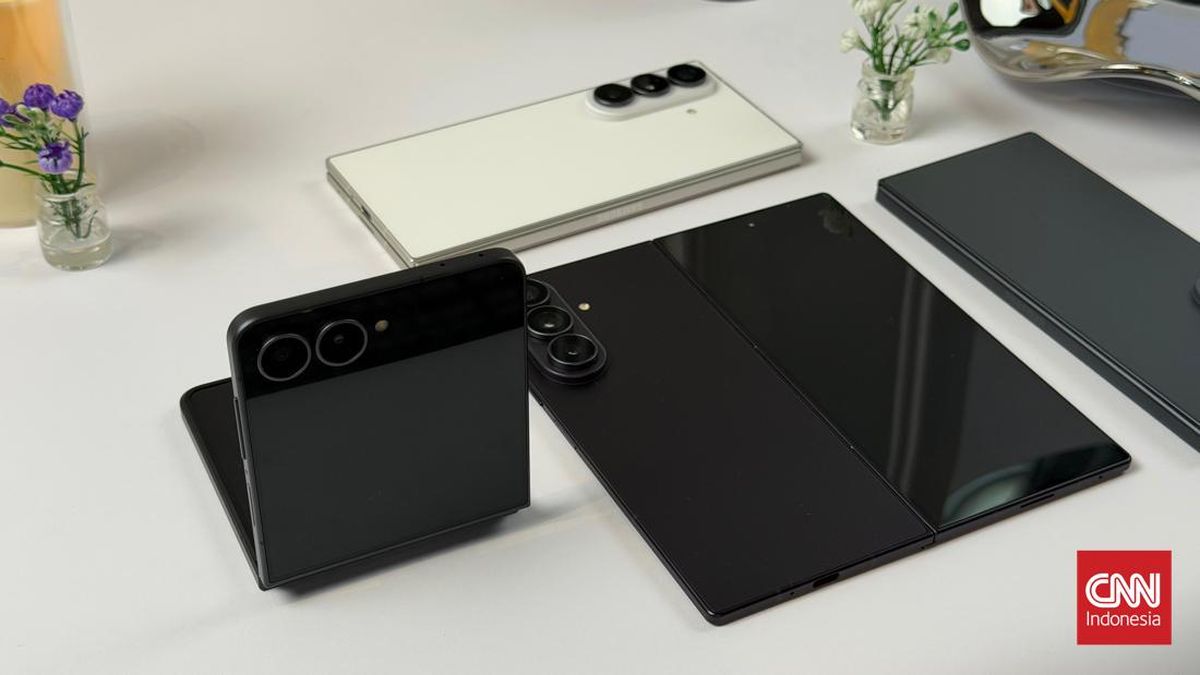
The new lineup of foldable devices – the Galaxy Z Fold 8, the more premium Z Fold 8 Ultra, and the clamshell-style Z Flip 8 – was globally unveiled during the highly anticipated Galaxy Unpacked event held in London, United Kingdom, on Wednesday, July 22. The event, themed ‘A New Shape Unfolds,’ underscored Samsung’s continued commitment to pioneering and evolving the foldable smartphone category, showcasing significant design innovations and technological advancements.
A notable evolution within the series is the redesigned form factor of the Galaxy Z Fold 8, which now boasts a wider display. This alteration aims to enhance the user experience by offering more screen real estate for multitasking, content consumption, and productivity applications, addressing user feedback from previous iterations. Furthermore, the successor to the Galaxy Z Fold 7 has been rebranded as the Galaxy Z Fold 8 Ultra, signaling a clear differentiation and positioning it as an even more premium offering within the foldable portfolio, likely featuring enhanced specifications and exclusive functionalities.
The introduction of these new models reinforces Samsung’s leadership in the nascent but rapidly expanding foldable smartphone market. Since the launch of its first commercial foldable device, the Galaxy Fold, in 2019, Samsung has consistently iterated on design, durability, and software optimization, establishing itself as the dominant player in this innovative segment. The ‘A New Shape Unfolds’ theme not only highlights the physical design changes but also symbolizes the evolving landscape of mobile technology, with foldables moving from niche luxury items to potentially more mainstream premium devices.
Navigating Economic Headwinds: Chipset Scarcity and Currency Volatility
The reasons cited by Samsung for the price adjustments are deeply rooted in current global macroeconomic realities. The "chipset scarcity" refers to the persistent global semiconductor shortage that began in late 2020 and has continued to impact various industries, from automotive to consumer electronics. This shortage stems from a confluence of factors, including increased demand during the COVID-19 pandemic for remote work and entertainment devices, disruptions to manufacturing facilities, logistical bottlenecks, and geopolitical tensions affecting critical supply chains.
Semiconductor fabrication plants, which are incredibly capital-intensive and require long lead times for expansion, have struggled to keep up with the surge in demand. This imbalance has led to higher prices for components, affecting all manufacturers reliant on these crucial microchips. For a company like Samsung, which produces a vast array of electronic devices, securing a stable supply of high-performance chipsets for its flagship smartphones is paramount, often coming at a premium cost.
Concurrently, the "weakening Rupiah" plays a significant role in the local pricing structure for imported goods in Indonesia. The value of the Indonesian Rupiah against currencies like the US Dollar is influenced by a multitude of economic indicators, including global interest rates, commodity prices, inflation rates, and investor sentiment. A weaker Rupiah means that imported components and finished products, which are typically priced in US Dollars, become more expensive when converted to the local currency, directly impacting the retail price consumers pay. This currency depreciation effectively increases the cost base for Samsung’s operations in Indonesia, necessitating price adjustments to maintain profitability margins.
Strategic Programs to Enhance Affordability and Market Absorption
Despite the unavoidable price increases, Samsung expresses strong confidence in the market’s ability to absorb these new devices, particularly in Indonesia. Ilham Indrawan highlighted the positive market response during the initial reservation and pre-order phases for the Z Fold 8, attributing this success to Samsung’s proactive "good programs." These initiatives are strategically designed to make the high-end foldable devices more accessible and "affordable" to a wider segment of consumers, encouraging upgrades and new adoptions.
Key among these programs are enhanced trade-in options. Samsung’s trade-in initiatives allow consumers to exchange their older smartphones, including previous generation foldables or other premium devices, for a substantial discount on the new Galaxy Z Fold 8 or Z Flip 8. This strategy not only lowers the effective purchase price for consumers but also aligns with sustainability efforts by promoting device recycling and reuse. Indrawan elaborated, "We create programs to ensure consumers still feel it’s affordable, that the device is within reach, and that upgrading through trade-in remains worthwhile, enabling them to acquire the latest device."
Beyond trade-ins, Samsung typically offers a suite of complementary programs during launch periods, such as bundled accessories (e.g., cases, S Pen, wireless earbuds), extended warranty options, premium customer service benefits, and attractive financing plans with 0% interest rates. These programs collectively enhance the value proposition of the new foldables, making the investment more palatable for consumers who are keen on adopting cutting-edge technology but are also price-sensitive. Such bundled value additions help to offset the perceived impact of the base price increase and differentiate Samsung’s offerings in a competitive premium segment.
Indonesia: A Key Market for Foldable Growth
Indonesia, with its large and digitally engaged population, represents a crucial market for Samsung’s premium smartphone strategy. The positive pre-order and reservation figures for the Z Fold 8 indicate a growing appetite for innovative and high-end devices among Indonesian consumers. This trend reflects a broader global shift where consumers are increasingly willing to invest in devices that offer unique form factors, enhanced productivity features, and a premium user experience, even amidst economic uncertainties.
Samsung’s consistent marketing efforts, combined with a robust retail presence and strong brand loyalty in Indonesia, have cultivated a favorable environment for the adoption of its flagship devices. The company’s ability to localize its marketing messages and tailor its promotional programs to the specific needs and purchasing power of Indonesian consumers has been instrumental in its success. The "hands-on" event in Jakarta, where executives directly engaged with the media and showcased the new devices, further underscores the importance of the Indonesian market in Samsung’s regional strategy.
The Evolving Landscape of Foldable Technology
The foldable smartphone market, though still a niche compared to traditional slab phones, is experiencing rapid growth. Analysts project significant expansion in this segment over the next few years, driven by continuous improvements in display technology, hinge durability, and software optimization. Samsung has been at the forefront of this innovation, investing heavily in research and development to overcome early challenges related to screen longevity and device thickness.
The introduction of a "wider form factor" for the Z Fold 8 is a direct response to user feedback, indicating a maturing design philosophy aimed at improving usability. Early foldable designs often presented compromises in screen aspect ratios when unfolded or folded, sometimes making typing or app interaction awkward. A wider display could make the folded phone more akin to a traditional smartphone and the unfolded tablet experience more immersive and practical for tasks requiring more horizontal screen space. The rebranding of the Z Fold 7 successor to Z Fold 8 Ultra also suggests a more distinct segmentation strategy, allowing Samsung to cater to different tiers of premium users with varying feature sets and price points.
Competition in the foldable space is also intensifying, with several Chinese manufacturers like Huawei, Xiaomi, Oppo, and Honor launching their own foldable devices. While many of these are primarily focused on their domestic markets, their increasing presence signals a broader industry trend and puts pressure on Samsung to innovate continuously and maintain its technological edge. Samsung’s extensive global supply chain, robust R&D capabilities, and strong brand recognition position it well to navigate this competitive landscape, but strategic pricing and compelling value propositions remain critical.
Implications for the Broader Smartphone Market
The pricing strategy adopted by Samsung for its new foldables has broader implications for the premium smartphone market. It sets a precedent for how high-end devices are priced in an environment of rising component costs and currency fluctuations. Other manufacturers are likely to observe Samsung’s approach and market reception carefully as they formulate their own pricing strategies for future flagship releases.
For consumers, the trend of increasing prices for cutting-edge technology means that purchasing decisions will become even more considered. The emphasis on "affordability programs" by Samsung suggests a recognition that innovation must be accompanied by accessibility. Trade-in values, financing options, and bundled offers will become increasingly important factors for consumers evaluating a high-value purchase.
Furthermore, the focus on design evolution, such as the wider form factor of the Z Fold 8, highlights the industry’s continuous quest for differentiation in a largely saturated market. As traditional smartphone designs mature, foldables offer a compelling avenue for innovation, potentially redefining how users interact with their mobile devices and blurring the lines between smartphones and tablets. Samsung’s commitment to this category, even in the face of economic challenges, underscores its long-term vision for the future of mobile computing.
Illustrative Price Increases (Based on Samsung’s Stated Range)
While specific comparative pricing details for the new Galaxy Z Fold 8, Z Fold 8 Ultra, and Z Flip 8 versus their predecessors (Z Fold 7, Z Flip 7) were not provided in detail at the time of the original reporting, Samsung indicated that the price increases vary from Rp2 million to Rp9 million. To put this into context, considering the typical starting prices for premium foldable phones:
- Galaxy Z Fold Series: Previous generations often launched in the range of Rp25 million to Rp30 million (approximately $1,600 – $1,900 USD at current exchange rates) for the base models. A Rp2 million to Rp9 million increase would push the new models into the Rp27 million to Rp39 million range, depending on the specific model and configuration.
- Galaxy Z Flip Series: Previous generations typically started around Rp15 million to Rp18 million (approximately $950 – $1,150 USD). A similar increase would place the Z Flip 8 in the Rp17 million to Rp27 million range.
These figures are illustrative based on known market trends for high-end smartphones and the stated increase range by Samsung. The actual retail prices would depend on configuration, market-specific taxes, and promotional offers. The significant jump in the higher-end (up to Rp9 million) likely pertains to the Z Fold 8 Ultra or higher storage variants of the Z Fold 8, reflecting its premium positioning and potentially enhanced features.
In conclusion, Samsung’s introduction of the Galaxy Z Fold 8, Z Fold 8 Ultra, and Z Flip 8 marks a pivotal moment in the evolution of foldable technology, even as the company navigates a complex global economic landscape. By acknowledging the realities of increased production costs due to chipset scarcity and currency depreciation, while simultaneously implementing strategic programs to enhance affordability, Samsung aims to reinforce its leadership in the premium smartphone segment and ensure its innovative foldable devices continue to resonate with a discerning global consumer base. The positive early reception in markets like Indonesia serves as a testament to the enduring appeal of cutting-edge technology, supported by thoughtful market engagement strategies.
Related posts: