Invisible Scars: The Enduring Crisis of Emotional Child Abuse and Its Long-Term Societal Consequences

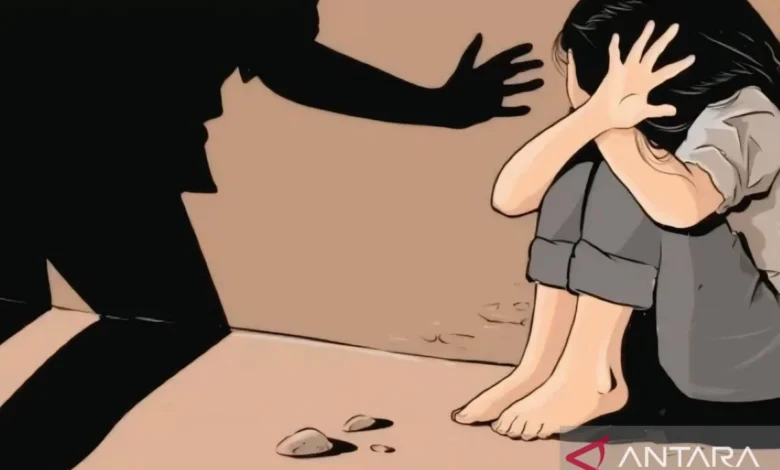
The phenomenon of child abuse represents a profound failure of the social fabric, manifesting in physical, sexual, and the often-overlooked yet equally devastating form of emotional maltreatment. Defined as any intentional act or pattern of behavior that causes, or has the potential to cause, psychological harm to a child under the age of 18, emotional abuse remains one of the most pervasive yet underreported public health crises globally. Unlike physical trauma, which manifests in bruises or fractures, emotional abuse leaves invisible scars that are notoriously difficult to detect, often lingering long after the child has transitioned into adulthood.
Defining the Spectrum of Emotional Maltreatment
Emotional abuse encompasses a broad spectrum of behaviors, including verbal aggression, chronic belittling, unrealistic expectations, and the systematic withholding of affection or emotional support. It is a psychological assault that undermines a child’s developing sense of self-worth. Experts often describe this as a cyclical trauma; a phenomenon where toxic dynamics within a family unit are transmitted across generations. For instance, in domestic environments where a partner is subjected to emotional hostility, the victimized parent may inadvertently displace their stress and frustration onto their children, effectively normalizing a cycle of dysfunction.
The behaviors involved—such as screaming, constant disparagement, hyper-criticism, and setting impossible performance standards—are not merely "tough parenting" or "discipline." They are psychological stressors that disrupt a child’s neurological development. When a child is consistently told they are incompetent or unwanted, they internalize these narratives, leading to a profound erosion of their identity.
Global Data and the Socioeconomic Link
The scope of this issue is immense. Data from the Centers for Disease Control and Prevention (CDC) provides a stark illustration of the prevalence of child maltreatment, noting that in the United States alone, approximately one in seven children has experienced some form of abuse or neglect. While these figures are specific to American data, international health organizations suggest that the trend is mirrored in varying intensities across different global regions.
A critical factor identified in these statistics is the correlation between poverty and child abuse. Households struggling with the systemic pressures of poverty often experience heightened levels of toxic stress. This environment limits the capacity of caregivers to provide a stable, nurturing upbringing, which can lead to increased rates of neglect and emotional volatility. Poverty does not inherently cause abuse, but it acts as a primary stress multiplier, exacerbating existing familial tensions and reducing access to supportive mental health services.
The Mechanism of Psychological Trauma
The impact of emotional abuse is not merely behavioral; it is biological. Studies in developmental psychology indicate that chronic exposure to emotional hostility forces a child’s brain into a state of "fight, flight, or freeze." When this occurs during the formative years, it can fundamentally alter the child’s response to stress later in life.
The immediate symptoms are often subtle: withdrawal, a decline in academic performance, or sudden behavioral regressions. However, the long-term implications are far more severe. Victims of childhood emotional abuse are significantly more prone to developing complex post-traumatic stress disorder (C-PTSD), clinical depression, and generalized anxiety disorders. Furthermore, they often struggle with a pervasive sense of self-loathing, viewing themselves through the distorted lens of their abuser’s criticisms.
The Intergenerational Cycle: A Chronology of Impact
The journey of an emotionally abused child often follows a predictable, albeit tragic, trajectory.
- The Formative Years: The child experiences constant negative reinforcement. Their self-concept is tethered to the expectations of their primary caregivers. They learn to suppress their needs to avoid conflict or further abuse.
- Adolescence: As the child reaches puberty, the psychological burden often manifests in externalized or internalized struggles. This may include eating disorders, substance abuse, or social isolation. The lack of a secure attachment figure leaves them vulnerable to predatory behaviors or entering toxic romantic relationships that mirror their domestic upbringing.
- Early Adulthood: The individual enters the workforce and independent living with a compromised sense of self-efficacy. Professional relationships are often strained by a fear of authority or an inability to handle criticism, as their brain remains hyper-vigilant for signs of rejection or aggression.
- Mid-to-Late Adulthood: Without therapeutic intervention, the trauma persists. Many individuals find it difficult to form healthy, stable relationships, often isolating themselves to protect against further emotional harm. The cycle threatens to repeat if these individuals become parents themselves, reinforcing the urgent need for systemic, early-stage intervention.
Official Responses and Policy Initiatives
Governments and child welfare agencies are increasingly recognizing that emotional abuse requires as much, if not more, policy attention as physical abuse. Recent legislative trends, such as the push for harsher penalties in cases of professional negligence—as seen in the high-profile advocacy for stricter sentencing in daycare abuse cases—highlight a shifting societal intolerance toward child maltreatment.
Government bodies, including ministries of women’s empowerment and child protection, are focusing on "integrated policies." This approach emphasizes that child safety cannot be addressed in a vacuum. It requires a cross-sectoral collaboration between education, health, and social services. Efforts are now being directed toward the "digital landscape" as well, where cyber-bullying and digital grooming represent modern frontiers of emotional abuse that require new, agile regulatory frameworks.
Ministerial initiatives aimed at fostering community collaboration are essential. By decentralizing child protection and empowering local communities to identify the signs of domestic emotional distress, governments hope to provide a safety net that catches children before the damage becomes irreversible.
Implications for Society and the Workplace
The societal cost of childhood emotional abuse is staggering, though often hidden in aggregate economic data. When a significant portion of the population carries the weight of childhood trauma, it impacts workforce productivity, healthcare costs, and the stability of the next generation.
Research from institutions such as Verywell Mind emphasizes that survivors of emotional abuse often grapple with "imposter syndrome" and a pervasive feeling of not being "good enough." This hinders career progression and innovation. Furthermore, the healthcare burden is substantial; individuals with histories of childhood trauma report higher rates of chronic physical health issues, which are often exacerbated by long-term stress and cortisol dysregulation.
Moving Toward a Preventive Framework
To address this crisis, the focus must shift from reactive intervention to proactive prevention. This involves:
- Public Awareness Campaigns: Educating the public on the difference between firm discipline and emotional abuse. Many parents may resort to verbal aggression because they lack the tools for healthy conflict resolution.
- Accessible Mental Health Support: Integrating mental health screening into pediatric care and schools. Early detection of a child’s emotional distress can mitigate the risk of long-term trauma.
- Support for Families in Crisis: Addressing the root causes of domestic stress—such as poverty and economic instability—is a fundamental component of child protection. Policies that provide a living wage and job security for parents are, by extension, child protection policies.
- Trauma-Informed Training: Equipping teachers, daycare providers, and social workers to recognize the subtle markers of emotional abuse.
The invisibility of emotional abuse is its most dangerous weapon. By denying it the legitimacy of physical injury, society has historically allowed it to persist in the shadows of the home. However, as the scientific understanding of the long-term psychological and physiological damage caused by such abuse grows, so too does the mandate for comprehensive reform. Protecting children requires more than just stopping the physical strike; it requires the protection of the child’s developing psyche and the creation of a societal environment where emotional safety is recognized as a fundamental human right.
The path forward requires a persistent, multi-generational effort. It necessitates a society that values the emotional well-being of its youngest members as a primary metric of success. Until the stigma surrounding mental health and parental intervention is dismantled, the cycle of trauma will continue to claim the potential of millions. The task is immense, but the consequences of inaction—a future generation defined by the shadows of their past—are far too great to ignore.