Navigating the Tropics: The Essential Guide to Choosing and Using Moisturizers for Oily Skin in Indonesia

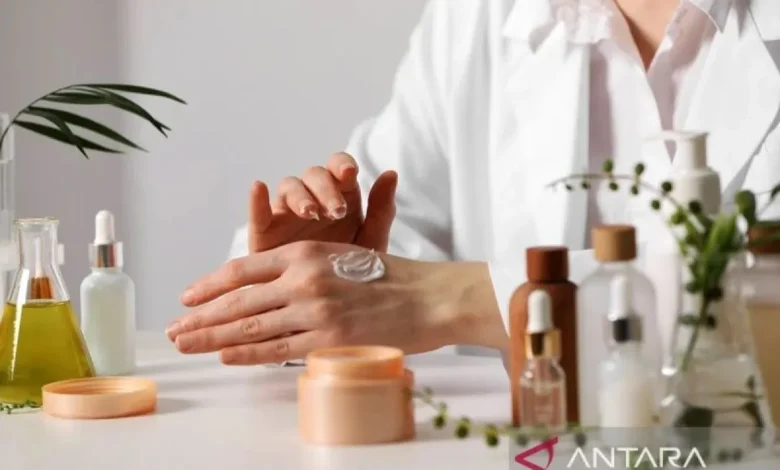
The pervasive challenge of excess facial oil is a daily reality for a significant portion of Indonesia’s population, a predicament exacerbated by the nation’s persistently hot and humid tropical climate. While the instinct for many with oily skin might be to shun moisturizers altogether, fearing an intensified shine or the dreaded onset of acne, dermatologists and skincare experts are emphasizing the critical role of proper hydration in maintaining healthy skin, even in these challenging environmental conditions. The key, they assert, lies in selecting the right type of moisturizer—one that replenishes moisture without contributing to greasiness or pore congestion.
This comprehensive guide delves into the science behind oily skin in tropical climates, explores the types of moisturizers best suited for this skin type, highlights beneficial and detrimental ingredients, and offers practical application tips, drawing on insights from dermatological recommendations and the latest skincare research.
Understanding the Tropical Challenge: Why Oily Skin Persists
Indonesia’s geographical location straddling the equator subjects its inhabitants to a climate characterized by high temperatures and humidity year-round. This environment directly impacts the skin’s sebum production. Sebum, an oily substance produced by sebaceous glands, is essential for lubricating the skin and maintaining its protective barrier. However, in hot and humid conditions, these glands tend to work overtime, leading to an excess of sebum on the skin’s surface.
This overproduction of oil can result in a range of aesthetic and dermatological concerns, including a persistently shiny complexion, enlarged pores, and a higher propensity for acne breakouts. The common misconception that oily skin doesn’t need moisturizing stems from the visible greasiness. However, dermatologists explain that this is a critical misunderstanding. When the skin is dehydrated, either due to harsh cleansing products or a lack of external moisture, it can paradoxically ramp up sebum production in an attempt to compensate and protect itself. This creates a vicious cycle where the skin becomes oilier in its attempt to become less dry.
The Dermatological Prescription: What to Look For in an Oily Skin Moisturizer
Leading dermatologists consistently advise individuals with oily skin to prioritize moisturizers that are lightweight, oil-free, and non-comedogenic. The "oil-free" label signifies that the product does not contain mineral oil, petroleum, or other occlusive oils that can exacerbate greasiness. "Non-comedogenic" is a crucial indicator that the product has been formulated not to clog pores, a common trigger for acne and blackheads in individuals prone to oiliness.
The texture of a moisturizer is paramount. Heavy creams and lotions can feel suffocating on oily skin, especially in the Indonesian humidity. Instead, formulations designed for oily skin often adopt lighter consistencies, such as gels or serums, which are more readily absorbed and leave a matte or satin finish.
Recommended Moisturizer Types for Oily Skin
The market offers a variety of moisturizer types that cater specifically to the needs of oily skin. Understanding these categories can empower consumers to make informed choices:
1. Gel-Based Moisturizers: The Lightweight Champion
Gel moisturizers are often the first recommendation for oily and combination skin types. Their primary advantage lies in their formulation, which is typically water-based. This means they provide essential hydration without adding significant emollients or oils to the skin’s surface. The water-based nature ensures a light, refreshing feel that absorbs quickly, leaving no sticky residue. This rapid absorption is particularly beneficial in a humid climate, as it prevents the sensation of the product "sitting" on the skin, which can feel uncomfortable and contribute to a feeling of increased oiliness. Many gel formulations also contain humectants like hyaluronic acid, which draw moisture into the skin from the environment.
2. Niacinamide-Enriched Moisturizers: The Multifunctional Marvel
Niacinamide, also known as Vitamin B3, has emerged as a star ingredient in modern skincare, particularly for oily and acne-prone skin. Its benefits are multifaceted: it acts as a potent anti-inflammatory, helping to calm redness and irritation often associated with breakouts. Crucially for oily skin, niacinamide has been shown to help regulate sebum production over time, leading to a visible reduction in oiliness. Furthermore, it strengthens the skin’s natural barrier, improving its resilience and ability to retain moisture, which, as previously mentioned, can paradoxically reduce overproduction of oil. For individuals experiencing enlarged pores alongside oiliness, niacinamide is also known to help minimize their appearance by improving skin elasticity.
3. Hyaluronic Acid Moisturizers: The Hydration Hero
Hyaluronic acid (HA) is a humectant, meaning it has the remarkable ability to attract and bind water molecules. This makes it an excellent ingredient for delivering hydration without heaviness. For oily skin, HA is particularly valuable because it can effectively hydrate the skin without clogging pores or contributing to a greasy feel. By ensuring the skin’s surface is adequately hydrated, hyaluronic acid helps to maintain the skin’s natural moisture balance. This balance is key to preventing the skin from entering a state of dehydration, which, as discussed, can trigger increased oil production. Products containing hyaluronic acid, especially those with lower molecular weight variants, can penetrate deeper into the skin for sustained hydration.
4. Ceramide-Infused Moisturizers: The Barrier Builders
Ceramides are naturally occurring lipids found in the skin’s outermost layer, forming a crucial part of the skin barrier. This barrier is vital for preventing moisture loss and protecting the skin from environmental aggressors. For oily skin, especially if it has been compromised by harsh acne treatments or over-cleansing, a ceramide-rich moisturizer can be transformative. Ceramides help to repair and reinforce the skin barrier, improving its ability to retain hydration and resist irritation. A strong, healthy skin barrier can lead to a more balanced complexion, where the skin is less likely to overcompensate with excess oil production.
5. Specialized Acne-Prone Skin Moisturizers: Targeted Solutions
For individuals whose oily skin is also prone to acne, seeking out moisturizers specifically formulated for acne-prone skin is a wise choice. These products are typically formulated with non-comedogenic ingredients and often contain additional beneficial ingredients like salicylic acid (a beta-hydroxy acid that exfoliates and unclogs pores) or sulfur (known for its anti-inflammatory and antibacterial properties). It’s important to note that even acne-treatment moisturizers should provide adequate hydration, as many acne medications can be drying. A well-formulated acne-prone moisturizer will strike a balance, treating breakouts while ensuring the skin remains comfortable and hydrated.
Key Ingredients to Seek Out
Beyond the broad categories of moisturizers, specific ingredients offer targeted benefits for oily skin:
- Glycerin: A highly effective humectant that draws water to the skin. It is generally well-tolerated and found in many lightweight formulations.
- Salicylic Acid (BHA): Excellent for oily and acne-prone skin as it can penetrate oil and exfoliate inside the pores, helping to prevent breakouts. It’s often found in lower concentrations in moisturizers to avoid irritation.
- Dimethicone: A type of silicone that can create a smooth, matte finish on the skin. While it is an occlusive, it is non-greasy and can help control shine.
- Zinc PCA: Known for its sebum-regulating properties and can help mattify the skin.
- Antioxidants (e.g., Vitamin C, Green Tea Extract): While not directly for oil control, these ingredients protect the skin from environmental damage and can help reduce inflammation, contributing to overall skin health.
Ingredients to Approach with Caution
Conversely, certain ingredients can exacerbate oiliness or lead to pore congestion for those with oily skin:
- Heavy Occlusive Oils: Ingredients like mineral oil, petrolatum, and lanolin can be too heavy for oily skin and may lead to breakouts.
- Alcohol (Denatured Alcohol): While it can provide a temporary mattifying effect, alcohol can strip the skin of its natural oils, leading to dehydration and, paradoxically, increased oil production. It can also be irritating.
- Fragrances and Dyes: These can be potential irritants and allergens, especially for acne-prone or sensitive oily skin.
- Coconut Oil: While beneficial for dry skin, coconut oil can be comedogenic for many individuals and may clog pores.
The Art of Application: Maximizing Moisturizer Benefits for Oily Skin
The way a moisturizer is applied can significantly impact its effectiveness, especially for oily skin.
- Cleanse Gently: Always begin with a gentle, sulfate-free cleanser to remove excess oil and impurities without stripping the skin.
- Apply to Damp Skin: For humectant-rich moisturizers (like those with hyaluronic acid or glycerin), applying them to slightly damp skin can enhance their ability to draw moisture. Pat the skin gently after cleansing and before applying the moisturizer.
- Use a Pea-Sized Amount: A common mistake is over-applying product. A small amount is usually sufficient for adequate coverage.
- Targeted Application: Focus application on areas that feel drier, and use a lighter touch on areas prone to excessive oiliness.
- Layering Wisely: If using multiple products, apply them from thinnest to thickest consistency. A serum would come before a gel moisturizer, for example.
- Consistency is Key: Regular, daily application, both morning and night, is essential for maintaining skin hydration and balance.
Broader Implications and Consumer Behavior
The increasing awareness of the need for proper skincare, even for oily complexions, reflects a broader shift in consumer understanding. Gone are the days when oily skin was solely associated with harsh, stripping products. Today, the focus is on balance and barrier health. Skincare brands are responding by innovating with lightweight, sophisticated formulations that cater to specific skin concerns.
The Indonesian market, with its specific climatic challenges, is a fertile ground for such innovation. As consumers become more educated, they are increasingly seeking products that are not only effective but also align with scientific recommendations and dermatological advice. This demand drives the market towards more transparent ingredient lists and scientifically backed claims, benefiting consumers by offering more effective and healthier skincare options.
Conclusion: A Balanced Approach to Oily Skin in the Tropics
The persistent issue of oily skin in Indonesia’s tropical climate does not necessitate the abandonment of moisturizers. Instead, it calls for a strategic and informed approach. By understanding the unique needs of oily skin, selecting moisturizers with lightweight, oil-free, and non-comedogenic formulations, and paying attention to beneficial ingredients like niacinamide, hyaluronic acid, and ceramides, individuals can effectively manage excess oil while ensuring their skin remains hydrated and healthy. A consistent and mindful skincare routine, coupled with the right product choices, is the ultimate key to achieving a balanced, comfortable, and radiant complexion, even in the most challenging of climates.