Islamic Ritual Slaughter of Poultry A Comprehensive Guide to Mandatory Prayers and Ethical Procedures for Halal Certification

In the framework of Islamic jurisprudence, the consumption of meat is not merely a matter of dietary choice but a deeply spiritual act governed by specific divine mandates. Among the most common sources of protein for the global Muslim population is poultry, specifically chicken. However, for a chicken to be considered "Halal"—permissible for consumption—it must undergo a specific ritual slaughter known as Dhabihah. This process involves more than just the physical act of killing; it encompasses a series of prayers (doa), ethical considerations for animal welfare, and precise anatomical cuts that ensure the meat is both religiously valid and hygienically superior. Understanding these protocols is essential for the nearly two billion Muslims worldwide and is increasingly relevant for the global food industry, which continues to see a surge in demand for certified Halal products.
The Theological Significance of Ritual Slaughter
The requirement for ritual slaughter is rooted in the Quran and the Sunnah (the traditions of the Prophet Muhammad). The Quranic principle of Halalan Toyyiban—meaning "permissible and wholesome"—serves as the benchmark for food safety and spiritual purity. According to Islamic law, the name of God must be invoked at the time of slaughter to acknowledge that life is sacred and is being taken only for the necessity of sustenance. This act transforms the slaughter from a mundane task into a consecrated ritual.
Across the various schools of Islamic jurisprudence (Mazhab), there is a consensus on the importance of the intention (niyyah) and the invocation. For followers of the Hanafi and Hanbali schools, the recitation of the Basmalah (In the name of Allah) is a strict requirement for the meat to be considered Halal. If the slaughterer intentionally omits the prayer, the meat is deemed Haram (forbidden). However, if the omission is due to a genuine lapse in memory, the meat remains permissible. In contrast, the Shafi’i school considers the prayer a highly recommended Sunnah (practice of the Prophet) rather than an absolute condition for validity, although it is rarely omitted in practice due to its spiritual weight.
Mandatory Prayers and Invocations During Slaughter
The ritual begins with a series of specific invocations. These prayers are designed to focus the mind of the slaughterer on the gravity of the act and to seek divine blessing. The following sequence represents the standard liturgical procedure for slaughtering poultry in the Islamic tradition:
1. The Basmalah
The most fundamental requirement is the recitation of the Basmalah. This serves as the primary declaration of faith and intent.
- Arabic Transliteration: Bismillaahir rahmaanir rahiim.
- English Translation: "In the name of Allah, the Most Gracious, the Most Merciful."
2. Salutations to the Prophet (Sholawat)
Following the Basmalah, it is customary to offer blessings upon the Prophet Muhammad, acknowledging the messenger through whom these laws were revealed.
- Arabic Transliteration: Allaahumma shalli alaa sayyidinaa muhammad, wa alaa aali sayyidinaa muhammad.
- English Translation: "O Allah, bestow your blessings upon our leader Muhammad and the family of our leader Muhammad."
3. Takbir and Tahmid
The slaughterer then recites the Takbir (proclaiming God’s greatness) three times, followed by the Tahmid (praise).
- Arabic Transliteration: Allaahu akbar, Allaahu akbar, Allaahu akbar, walillaahil hamd.
- English Translation: "Allah is the Greatest, Allah is the Greatest, Allah is the Greatest, and to Him belongs all praise."
4. The Specific Prayer for Acceptance
A final prayer is often recited to dedicate the sacrifice to God and ask for its acceptance as an act of worship.
- Arabic Transliteration: Allaahumma haadzihii minka wa ilaika, fataqabbal minnii yaa kariim.
- English Translation: "O my Lord, this animal is a blessing from You. And through this act, I draw closer to You. Therefore, O Most Generous Lord, accept my devotion."
The Procedural Framework: Step-by-Step Execution
Beyond the verbal invocations, the physical act of slaughter must adhere to strict guidelines to minimize the animal’s suffering and ensure the complete drainage of blood, which is considered impure in Islamic law.
Preparation of the Instrument
The knife used for slaughter must be exceptionally sharp. The Prophet Muhammad famously stated, "Allah has prescribed excellence in all things… so when you slaughter, slaughter well. Let each of you sharpen his blade and let him spare the animal unnecessary suffering." It is strictly forbidden to sharpen the knife in the presence of the animal, as this causes psychological distress.
Positioning the Animal
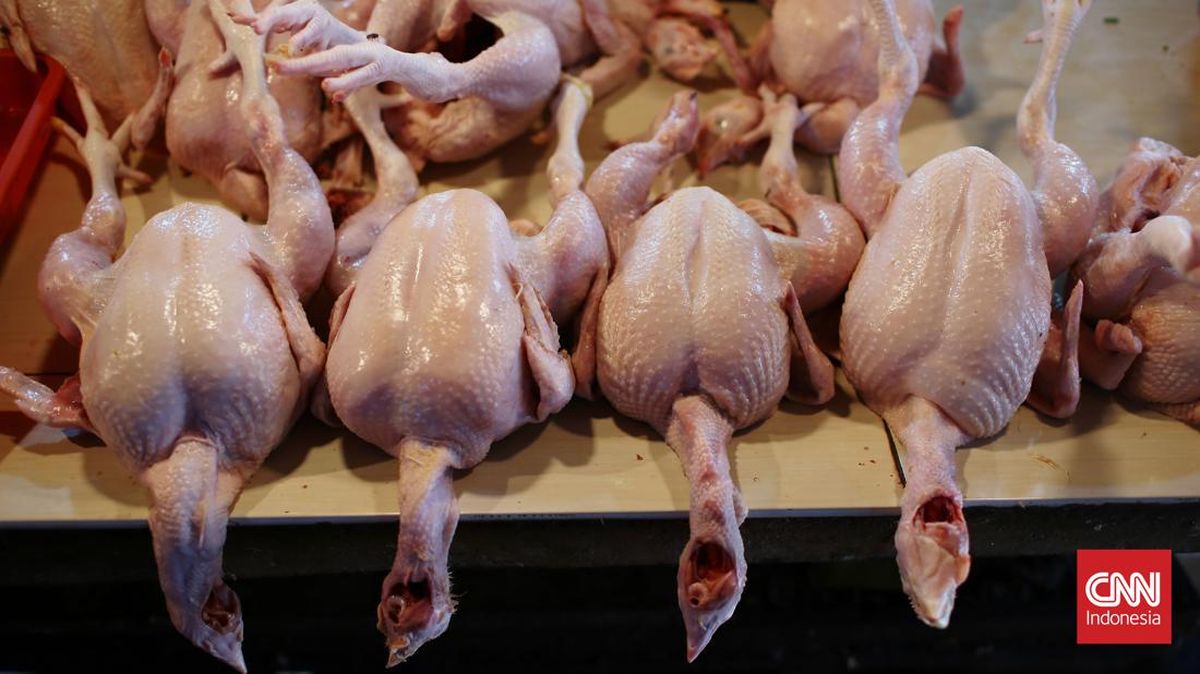
The chicken should be handled with gentleness. In many traditions, it is recommended to face the animal toward the Qibla (the direction of the Kaaba in Mecca), although this is a matter of etiquette (Adab) rather than a strict legal requirement. The animal must be conscious at the time of slaughter, though modern debates have emerged regarding the use of reversible stunning methods that do not kill the animal before the ritual cut is made.
The Anatomical Cut
The slaughterer must perform a swift, deep incision to the neck. For the slaughter to be valid, at least three of the four major vessels in the neck must be severed:
- The Trachea (windpipe/Hulqum).
- The Esophagus (food pipe/Mari’).
- The two Jugular Veins/Carotid Arteries (Wadajain).
Severing these vessels results in an immediate drop in blood pressure to the brain, rendering the animal unconscious within seconds and ensuring that the heart continues to pump long enough to expel the maximum amount of blood from the carcass.
Ethical Standards and Animal Welfare
Islamic ritual slaughter is often scrutinized through the lens of modern animal welfare, yet the theological framework itself is built upon compassion. The concept of Ihsan (excellence/kindness) mandates that the animal should not see the blood of previously slaughtered animals, nor should it be mistreated during transport or handling.
In Indonesia, the world’s most populous Muslim-majority nation, these standards are regulated by the Halal Product Assurance Agency (BPJPH) and the Indonesian Ulema Council (MUI). These organizations provide training for Juru Sembelih Halal (Juleha)—certified Halal slaughterers—to ensure that both the spiritual and technical aspects of the ritual are upheld. According to recent data from the Indonesian Ministry of Religious Affairs, the demand for certified slaughterers has risen by over 20% annually as the country moves toward mandatory Halal certification for all food products by late 2024.
Scientific Perspectives on Ritual Slaughter
From a food safety and hygiene standpoint, the Islamic method of slaughter offers several benefits. By severing the carotid arteries while leaving the spinal cord intact, the nervous system continues to signal the heart to beat. This physiological response facilitates the "bleeding out" process. Blood is a primary medium for the growth of bacteria and pathogens; therefore, its thorough removal enhances the shelf life of the meat and reduces the risk of foodborne illnesses.
Furthermore, studies in veterinary science suggest that when a blade is sufficiently sharp, the rapid incision severs the pain receptors in the neck so quickly that the brain does not register the sensation of pain before the loss of consciousness occurs due to cerebral ischemia.
The Economic Impact of Halal Poultry
The global Halal food market is no longer a niche segment. According to the State of the Global Islamic Economy Report, the Halal food sector was valued at approximately $1.27 trillion in 2021 and is projected to reach $1.67 trillion by 2025. Poultry constitutes a significant portion of this market.
For international poultry exporters in countries like Brazil, the United States, and Thailand, adhering to these specific prayers and procedures is a prerequisite for accessing lucrative Middle Eastern and Southeast Asian markets. Large-scale industrial slaughterhouses have adapted by employing Muslim slaughterers who recite the prayers over each bird or, in some jurisdictional interpretations, by using recordings or collective blessings, though the latter remains a point of scholarly debate.
Chronology of Modern Halal Regulation in Indonesia
The formalization of these ancient rituals into modern law has followed a specific timeline in Indonesia:
- 2014: The enactment of Law No. 33 concerning Halal Product Assurance, which shifted Halal certification from a voluntary religious act to a mandatory state requirement.
- 2019: The establishment of the BPJPH as the central government body overseeing Halal standards.
- 2021-2023: Implementation of "Halal Self-Declare" programs for micro and small enterprises (MSMEs), allowing for easier certification of local chicken vendors who follow the prescribed prayers.
- 2024: The deadline for mandatory Halal certification for all food and beverage products, including poultry, distributed within Indonesia.
Conclusion: A Harmony of Faith and Practice
The ritual of slaughtering a chicken in Islam is a profound intersection of theology, ethics, and science. By mandating specific prayers, the religion ensures that the slaughterer remains mindful of the sanctity of life. By enforcing strict procedural rules, it guarantees the physical purity of the food and the humane treatment of the animal. As the global food system becomes increasingly complex, these traditional practices provide a framework for "conscious consumption," ensuring that what ends up on the dinner table is not only permissible by law but also ethically and hygienically sound. For the Muslim consumer, the Basmalah at the start of the slaughter is more than a formula; it is a commitment to a lifestyle of gratitude and responsibility toward the natural world.