Janur Kuning: The Enduring Philosophical and Cultural Significance of Javanese Wedding Traditions

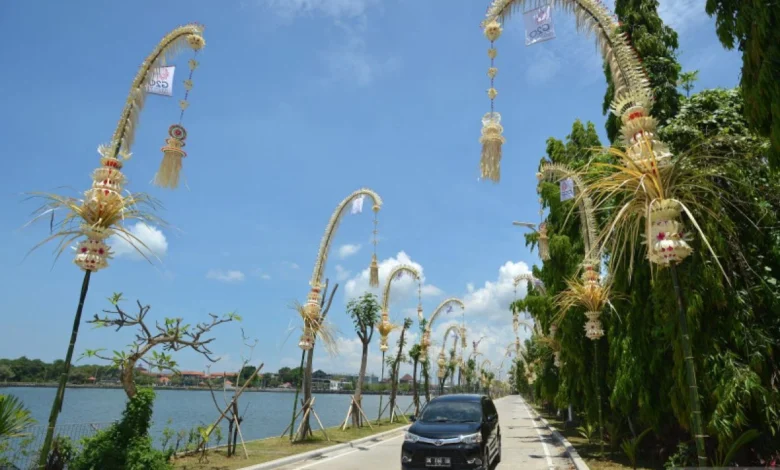
Janur kuning stands as one of the most iconic symbols of Javanese nuptial culture, serving as a vibrant bridge between ancient spiritual traditions and contemporary celebration. Far from being a mere decorative flourish, the yellow-green leaves of young coconut trees carry profound layers of meaning, embodying the hopes, prayers, and cultural identity of the Javanese people as they usher a couple into the sanctity of marriage. Despite the rapid modernization of wedding trends in the 21st century, the sight of "penjor" or intricate janur arrangements continues to signify the solemnity of a life-long commitment.
The Botanical and Cultural Essence of Janur
At its core, the term "janur" refers to the young, tightly furled leaves of the coconut palm (Cocos nucifera). In their nascent stage, these leaves possess a pale, translucent yellow-green hue and a remarkably pliable texture. This physical flexibility is critical to its cultural utility; it allows master artisans to weave the leaves into intricate, geometric patterns that defy gravity.
In the Javanese cosmological framework, the coconut tree itself is a "tree of life," providing sustenance from its roots to its fruit. By utilizing the youngest leaves, the tradition symbolizes a "fresh start" or the birth of a new phase in human existence. The transition from the hidden, inner leaf to the exposed, vibrant yellow of the janur mirrors the transition of the bride and groom from their individual lives into a shared, public future.
Chronology and Evolution of the Tradition
The use of janur in Javanese weddings dates back centuries, rooted in the agrarian traditions of the island. Historically, the installation of "tarub"—the temporary structures or traditional marquees adorned with janur—served as the definitive social signal of a wedding. Before the age of digital invitations and mass media, the sight of these yellow fronds in a village was the formal announcement to the community that a celebration was underway, inviting neighbors to participate in the "gotong royong" (communal assistance) necessary for a large-scale feast.
Over the decades, the practice has weathered significant shifts. In the 1970s and 80s, the tradition was standardized in urban settings, often becoming a mandatory aesthetic for formal Javanese ceremonies. Entering the 2020s, the trend shifted toward "minimalist" weddings, yet the demand for authentic janur remained high. According to recent data from regional wedding industry reports, over 65% of weddings conducted in Central and East Java still incorporate traditional janur arrangements, even when the rest of the reception adopts a modern, international aesthetic.
Philosophical Foundations: A Symbolic Language
The prevalence of janur is not incidental; it is a visual language. Scholars of Javanese culture, such as those cited in recent ethnographic studies from the University of Gadjah Mada and the Journal of Ethnic Foods, identify four primary philosophical pillars that the janur represents:
- The Light of Guidance (Jaya-Nur): Linguistically, some local interpretations derive "janur" from the phrase "sejatining nur," meaning "the true light." It symbolizes the hope that the couple will receive divine guidance and clarity in navigating the complex, often dark, trials of domestic life.
- Purity and Sincerity: The pale, unblemished color of the young leaf reflects the ideal state of the couple’s hearts as they enter the union—sincere, clean, and free from past grievances.
- The Joy of Prosperity: In traditional symbolism, the bright yellow color is often associated with gold and prosperity. Its presence is a silent prayer for the financial and emotional stability of the new household.
- Harmonious Interdependence: The art of weaving janur requires patience and precision. It serves as a pedagogical tool, reminding the couple that a successful marriage, like a well-woven ornament, requires the interlocking of two lives through compromise and mutual support.
The Role of Kembar Mayang in the Nuptial Rite
A critical distinction must be made between general janur decoration and the "Kembar Mayang." While janur acts as the material, Kembar Mayang is a specific, ritualized arrangement. These are two identical decorative stands, usually placed on either side of the bridal chair, containing specific elements like banyan leaves, jasmine, and various fruits.
Sociological research highlights that Kembar Mayang serves as a marker of the couple’s status change. During the ritual, these items are often "sacrificed" or discarded after the ceremony, representing the "death" of the couple’s individual, single status and the "rebirth" of their joint identity. This process is deeply rooted in the philosophy of manunggaling kawula gusti, or the unification of the individual with a greater purpose.
Modern Implications and Professional Perspectives
The wedding industry in Indonesia has seen a professionalization of traditional crafts. Vendor exhibitions in cities like Semarang and Jakarta consistently highlight the "Janur Artisans" as a specialized trade. Modern decorators now blend synthetic materials with organic janur to ensure longevity, particularly for indoor, air-conditioned venues where fresh leaves might wilt.
Industry experts note that the revival of traditional elements is part of a broader "personalization" trend in the 2026 wedding market. As couples move away from generic, hotel-provided aesthetics, they are increasingly seeking "story-driven" decor. Janur provides a tangible, historical narrative that roots a modern ceremony in ancestral heritage.
From a policy perspective, the Ministry of Religious Affairs (Kemenag) has emphasized the importance of maintaining traditional rites as part of the broader education on family resilience. By documenting these rituals through initiatives like the Indonesian Family Data Base (ICBP), authorities recognize that the cultural framework surrounding weddings—including the symbolism of janur—plays a role in reinforcing the social commitment of the marriage contract.
Challenges and Sustainability
Despite its popularity, the use of janur faces modern challenges. The environmental impact of sourcing large quantities of palm leaves for high-profile weddings has prompted some decorators to adopt sustainable harvesting practices. Furthermore, the loss of skilled weavers, who possess the traditional knowledge of weaving specific, culturally significant patterns, remains a concern for cultural preservationists.
The "Janur crisis" of the early 2020s, caused by shifting agricultural patterns and the reduction of palm groves near urban centers, led to a temporary spike in costs. This sparked a trend where smaller, more delicate janur arrangements were favored over the massive, sprawling structures of the past. This evolution demonstrates the resilience of the tradition; it adapts to economic and environmental realities without losing its essential meaning.
Conclusion: A Lasting Legacy
Janur kuning is far more than a rustic backdrop for wedding photography. It is a profound expression of Javanese values, capturing the essence of hope, the necessity of guidance, and the beauty of human commitment. As the wedding industry continues to evolve, the enduring presence of these yellow leaves confirms that even in an increasingly digital and globalized world, there is a deep, human need for symbols that ground us in our history.
Whether it adorns a lavish, five-star hotel ballroom or the entrance of a modest village home, the janur remains a silent witness to the most important transition in a person’s life. It serves as a constant reminder that marriage is not merely a social or legal contract, but a sacred, light-filled journey—one that is best begun with the sincerity and hope symbolized by the humble, golden leaf of the coconut tree.