Surabaya City Government Launches Special Heroic Days Bus Tour to Honor November Historical Milestones


The Surabaya City Government, located in East Java, has officially reintroduced its immersive historical educational tourism initiative through the Surabaya Sightseeing and City Tour (SSCT) bus program, scheduled to operate throughout November 2026. Designed to commemorate the historic sacrifices of the nation’s independence fighters during the quintessential month of heroes, the program invites both local residents and international visitors to trace the monumental steps of the independence struggle in the city widely recognized as Kota Pahlawan, or the City of Heroes. Operating under the thematic banner of Surabaya Heroic Days, the approximately two-hour excursion offers an educational and engaging lens through which participants can connect with Indonesia’s rich and turbulent struggle for sovereignty.
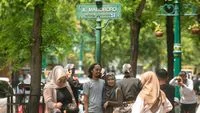
The special itinerary tailored for the Heroes Month celebrations runs every Friday, Saturday, and Sunday from November 6 through November 29, 2026. To accommodate public interest and ensure an optimized visitor experience, the municipal administration has scheduled two daily departure sessions. The central hub for the tour—serving as both the departure point and the ultimate return destination—is centrally located at the historic Surabaya Square, or Alun-alun Surabaya, situated at Jalan Gubernur Suryo Number 15. This strategic logistical placement allows seamless accessibility for participants utilizing public transportation or private vehicles before embarking on their historical voyage.
Detailed Itinerary and Departure Schedule Across the Weekend
According to official disclosures regarding the operational schedule, the specific historical landmarks and urban corridors included in the SSCT route vary significantly depending on the chosen day of the week and the specific departure session. This curated diversification ensures that repeat visitors and first-time tourists alike can experience a comprehensive cross-section of Surabaya’s architectural, cultural, and military history.
Friday Itinerary Highlights
The Friday schedule opens with Session I at 09:00 Western Indonesian Time (WIB), which directs participants toward the National Indonesian Building, known locally as Gedung Nasional Indonesia (GNI), alongside the adjacent History Park, or Taman Sejarah. During this morning session, tour participants are afforded the unique opportunity to observe the GNI exterior and absorb its architectural significance, although direct interior access is temporarily restricted as the Dr. Soetomo Museum undergoes a comprehensive governmental revitalization project aimed at preserving its historical artifacts for future generations. Later in the day, Session II commences at 14:00 WIB, guiding travelers through the charming and meticulously preserved Old Town district, traversing SKG Willemsplein, and culminating at the Surabaya Zero Kilometer Point, a foundational landmark anchoring the city’s geographical and historical grid.
Saturday Itinerary Highlights
The weekend momentum continues on Saturday with Session I departing at 09:00 WIB, featuring architectural and educational stops at the historic SMAK St. Louis 1 educational complex and the prominent Wismilak Building, both of which hold distinct positions within the urban narrative of twentieth-century Surabaya. The Saturday afternoon excursion, designated as Session II and starting at 13:00 WIB, shifts the focus toward pivotal military resistance sites. Participants visit the Bekupon Radio station—a vital clandestine communication relic from the revolutionary era—before proceeding to the iconic Tugu Pahlawan (Heroes Monument) and the adjoining 10th November Museum, which houses extensive visual archives and personal artifacts detailing the fierce 1945 Battle of Surabaya.
Sunday Itinerary Highlights
Concluding the weekend cycles, Sunday Session I begins at 09:00 WIB with visits to the Kemayoran Mosque and the birthplace of Indonesia’s founding father and first president, Sukarno, formally designated as Rumah Lahir Bung Karno (RLBK). Given the cultural and sacred importance of these venues, organizers enforce a strict dress code, requiring all participants to wear neat, modest, and respectful attire. The final weekend offering, Sunday Session II at 13:00 WIB, guides tourists back through the atmospheric Old Town district, passing SKG Willemsplein, and concluding at the historic PT PELNI building. This latter structure carries profound historical weight, having originally served as the headquarters for the Japanese Domei News Agency during the Pacific War and the subsequent transition of power.
Affordable Pricing Structures and Strict Ticketing Protocols
In an effort to ensure broad socio-economic accessibility for families, students, and history enthusiasts, the municipal administration has maintained a highly affordable tariff for the SSCT bus program. Tickets for the standard tour are priced at an accessible rate of IDR 10,000 per person. Reservations and purchases must be conducted digitally through the official municipal tourism portal located at tiketwisata.surabaya.go.id. Ticket sales officially open at 09:00 WIB precisely one day prior to the intended date of departure, operating on a strict H-1 booking mechanism that frequently results in rapid sell-outs due to high public demand.
Additional ticketing nuances apply to specific destinations within the broader tour framework. For instance, visitors participating in the Saturday Session II itinerary who enter the 10th November Museum are subject to supplementary entrance fees managed by the site administrators. These secondary tariffs are structured differentially: IDR 3,000 for students originating from outside the Surabaya municipality, IDR 8,000 for domestic general visitors holding Indonesian citizenship, and IDR 15,000 for international tourists visiting from abroad.
Upon successful online procurement, participants receive an electronic ticket (e-ticket) that mandates physical validation. Attendees are strictly required to complete a re-registration process at the Tourism Information Center Room within Surabaya Square no later than 30 minutes prior to the scheduled departure time. Municipal tourism authorities emphasize a strict non-refundable and non-reschedulable policy for all acquired tickets. Furthermore, participants are bound by safety and operational guidelines to complete the entire duration of the tour itinerary until the bus safely returns to the designated starting point at Alun-alun Surabaya.
Background Context of the Surabaya Heroic Days Commemoration
The institutionalization of the Surabaya Heroic Days program within the municipal tourism calendar is deeply rooted in the historical gravity of November 10, 1945. Following the proclamation of Indonesian independence on August 17, 1945, Surabaya emerged as the ultimate crucible for the defense of the nascent republic. The city witnessed intense urban warfare between Indonesian nationalist militias, backed by ordinary citizens, and returning Allied forces accompanied by British-led Indian troops and residual Japanese military units. The catalyst for the catastrophic battle was the assassination of British Brigadier A.W.S. Mallaby near the Red Bridge on October 30, 1945, which prompted an ultimatum by British command demanding the unconditional surrender of Indonesian fighters.
Defying the ultimatum, the populace of Surabaya, galvanized by impassioned radio broadcasts from revolutionary figures such as Bung Tomo, chose fierce resistance over subjugation. The ensuing military engagement lasted for weeks, resulting in massive casualties and widespread infrastructural devastation, yet cementing Surabaya’s eternal status as the City of Heroes. By introducing the SSCT bus routes during November, the local government seeks to translate this somber and heroic history into an accessible, educational format that bridges generational divides, ensuring that contemporary youth comprehend the steep price of national sovereignty.
Socio-Economic Implications and Urban Tourism Integration
The systematic execution of the Surabaya Heroic Days tour reflects a broader strategic shift by municipal authorities toward sustainable heritage tourism and urban revitalization. By intentionally routing SSCT buses through rejuvenated districts such as the Old Town and historical corridors near SKG Willemsplein, the local government actively stimulates foot traffic for localized micro, small, and medium-sized enterprises (MSMEs). Historical tourism functions not merely as an educational exercise, but as an economic catalyst that generates ripple effects across the hospitality, culinary, and retail sectors operating within the vicinity of Surabaya’s heritage zones.
Urban planning experts note that integrating historical assets into everyday public transit loops enhances civic pride and fosters a deeper sense of place attachment among residents. When citizens actively engage with their local architecture and historical narratives, municipal preservation policies receive grassroots support. Furthermore, the incorporation of digitally integrated ticketing systems through official governmental portals exemplifies Surabaya’s ongoing transition toward a smart city framework, streamlining administrative processes while gathering valuable demographic data on tourist preferences and visitation trends.
Future Outlook and Municipal Commitment to Heritage Preservation
As the Surabaya Sightseeing and City Tour program progresses through its November 2026 schedule, municipal stakeholders and tourism operators intend to evaluate passenger feedback and occupancy rates to refine future iterations of the initiative. Ongoing infrastructural enhancements—such as the revitalization of the Dr. Soetomo Museum at the Gedung Nasional Indonesia—demonstrate a sustained capital commitment by the regional administration to safeguard physical repositories of national history. Through a balanced synthesis of affordable public access, stringent logistical management, and comprehensive historical storytelling, Surabaya continues to solidify its reputation as a premier destination for historical and educational tourism within the Indonesian archipelago.