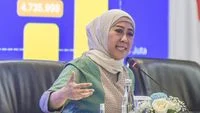
Jakarta, Indonesia – The Ministry of Communication and Digital (Komdigi) has officially concluded its highly anticipated selection process for the 700 MHz and 2.6 GHz radio frequency spectrum bands, declaring PT Telekomunikasi Seluler (Telkomsel), PT Indosat Tbk, and PT XLSmart Telecom Sejahtera Tbk as the successful bidders. This landmark decision, announced following the culmination of a rigorous selection process that commenced in April 2026 and concluded without objection in July 2026, marks a pivotal moment in Indonesia’s journey towards comprehensive digital transformation and significantly enhanced national connectivity. The allocation of these crucial spectrum assets is poised to unleash a new era of faster, more stable, and more affordable mobile internet services across the archipelago, simultaneously generating substantial economic value for the state.
The Strategic Significance of Spectrum Allocation
The allocation of new frequency spectrum is not merely a technical exercise but a foundational step in building the backbone of a nation’s digital future. In Indonesia’s context, a vast archipelago with diverse geographical challenges and a rapidly growing digital economy, strategic spectrum management is paramount. The 700 MHz band, often referred to as the "digital dividend" spectrum, is particularly valuable due to its excellent propagation characteristics. Its ability to travel long distances and penetrate buildings effectively makes it ideal for extending network coverage to rural and remote areas, as well as improving indoor reception in urban environments. This band is critical for bridging Indonesia’s persistent digital divide, ensuring that previously underserved communities gain access to reliable internet services.
Conversely, the 2.6 GHz band is a high-capacity spectrum, essential for supporting the burgeoning demand for data and for the rollout of advanced 5G networks. While 700 MHz provides the foundational reach, 2.6 GHz offers the necessary bandwidth to deliver the ultra-fast speeds and low latency that define 5G technology, enabling innovative applications like the Internet of Things (IoT), smart cities, and advanced industrial automation. The strategic combination of these two bands – 700 MHz for expansive coverage and 2.6 GHz for high-capacity performance – is expected to create a robust and future-proof mobile broadband infrastructure capable of supporting Indonesia’s ambitious digital agenda for years to come. This aligns with President Joko Widodo’s vision of an inclusive digital society, where technology serves as an equalizer and an accelerator of economic growth.
A Rigorous Selection Process: Chronology and Transparency
The path to this significant allocation was meticulously planned and executed by Komdigi, demonstrating a commitment to transparency and fairness. The selection process officially commenced in April 2026, inviting bids from eligible telecommunication operators. This phase typically involves a series of detailed technical and administrative evaluations to ensure that prospective bidders meet stringent criteria, including financial capability, technical expertise, and a clear understanding of the regulatory framework.
Following the initial technical and administrative assessments, qualified operators proceeded to the financial bidding stage, where proposals for the spectrum usage fees were submitted. This stage is critical for maximizing state revenue while ensuring a competitive landscape. The entire process was designed to be robust, with multiple layers of review and verification. A crucial component of this due diligence was the objection period, which concluded in July 2026. This period allowed any participant or interested party to raise concerns or lodge complaints regarding the process or its outcomes. The fact that this period concluded "without objection from participants" underscores the perceived fairness and integrity of Komdigi’s management of the auction, lending credibility to the final selection. The swift conclusion from April to July reflects Komdigi’s efficiency in accelerating critical infrastructure deployment, a key mandate for the ministry.
Ministerial Vision: Bridging the Digital Divide and Economic Gains
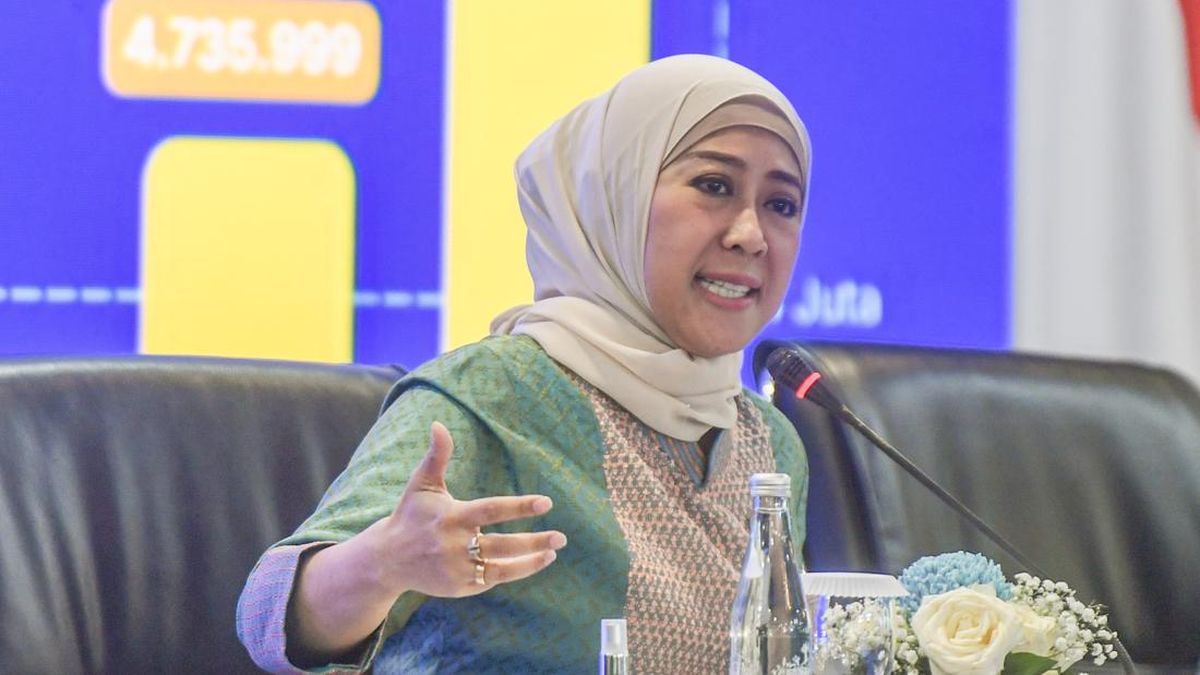
Minister of Communication and Digital, Meutya Hafid, emphasized the transformative potential of this spectrum allocation, reiterating Komdigi’s unwavering commitment to ensuring broad and equitable benefits for all Indonesian citizens. "Komdigi ensures that this frequency auction provides real and equitable benefits for society. The end result must be directly felt by people at the grassroot level," stated Minister Hafid in an official release on Tuesday, July 21. Her statement underscores a strategic shift from merely viewing spectrum as a revenue generator to recognizing it as a fundamental enabler of social equity and economic development.
The Minister elaborated that the additional spectrum would significantly enhance national cellular network capacity, leading directly to faster, more stable, and increasingly affordable mobile internet services for the public. This improvement is crucial for a nation where mobile internet is the primary mode of digital access for millions. Beyond the direct user experience, the government projects substantial economic gains from this allocation. Initial estimates suggest a potential Non-Tax State Revenue (PNBP) of approximately Rp6 trillion from the initial stages of the spectrum utilization. Over a ten-year horizon, the total potential state revenue is projected to reach an impressive Rp29.9 trillion. This substantial influx of funds will be strategically reinvested into various national development programs, including further digital infrastructure projects, digital literacy initiatives, and other critical public services, creating a virtuous cycle of growth and investment. The revenue generated not only supports the national budget but also provides the government with resources to pursue its broader development goals, including strengthening human capital and fostering innovation.
Operator Commitments: Mandates for National Coverage and Speed
The winning operators—Telkomsel, Indosat, and XLSmart Telecom Sejahtera Tbk—are not merely acquiring spectrum; they are undertaking significant commitments that align with Komdigi’s vision for national digital inclusion. These obligations are designed to ensure that the benefits of the new spectrum reach every corner of the country and translate into tangible improvements in service quality.
A primary mandate for the successful bidders is the rollout of 4G services to 538 villages and sub-districts that currently suffer from a complete lack of or extremely weak cellular signals. These areas, spanning from Sumatra to Papua, represent some of Indonesia’s most remote and underserved communities. This targeted infrastructure development is a direct response to the persistent digital divide, aiming to bring essential connectivity to those who need it most. Minister Hafid highlighted the profound impact of this initiative: "The presence of such connectivity will open up community access to education, health services, digital governance, and economic opportunities that were previously difficult to reach." This reflects the government’s understanding that digital access is no longer a luxury but a fundamental right and a catalyst for socio-economic empowerment.
Furthermore, the operators are tasked with ambitious 5G deployment targets. By the fifth year of their spectrum licenses, they are required to achieve at least 51 percent national population coverage for 5G services. This aggressive target underscores Indonesia’s determination to become a leader in 5G adoption in Southeast Asia, leveraging the technology’s potential for economic acceleration. Complementing this, Komdigi has set a national target for average mobile broadband speeds to gradually increase to 100 Mbps by 2029. This target aims to elevate Indonesia’s internet performance to global standards, enhancing productivity and user experience across all sectors.
The technical synergy between the allocated bands is crucial for achieving these targets. The 700 MHz band, with its superior propagation characteristics, will be instrumental in providing the foundational layer of connectivity, especially for broad area coverage and in-building penetration, ensuring that even remote areas and indoor environments receive reliable signals. In parallel, the 2.6 GHz band will serve as the primary capacity layer, supporting the high bandwidth demands of 5G services and ensuring that the target national speeds are met, particularly in dense urban areas. This combination is a strategic technical choice that maximizes both reach and performance.
Industry Reactions and Future Investment Landscape
The announcement has been met with positive, albeit cautious, optimism from the winning operators and industry analysts. While no direct statements from the companies were provided in the initial announcement, it is logical to infer their perspectives. Telkomsel, as the largest mobile operator in Indonesia, would likely express strong commitment to leveraging the new spectrum to solidify its market leadership, expand its 5G footprint, and enhance its existing 4G services, particularly in rural areas. Indosat Tbk, another major player, would likely highlight its strategic plans to accelerate its network expansion, improve service quality, and introduce innovative 5G-enabled services, aiming to capture a larger market share and compete aggressively. Similarly, PT XLSmart Telecom Sejahtera Tbk (representing one of Indonesia’s leading telecommunication providers), would likely emphasize its dedication to fulfilling the connectivity mandates, investing in cutting-edge infrastructure, and delivering superior customer experiences, particularly focusing on the digital transformation of businesses and consumers.
Industry analysts are likely to view this allocation as a significant boon for the Indonesian telecommunications sector. The increased spectrum availability is expected to alleviate network congestion, improve overall service quality, and potentially foster healthier competition among the major players, which could lead to more competitive data tariffs for consumers. However, analysts would also highlight the substantial capital expenditure (CapEx) required from the operators to meet the ambitious rollout targets. Investing in new towers, upgrading existing infrastructure, and deploying 5G base stations across a vast and diverse geography will require billions of dollars in investment over the coming years. This investment, while challenging, is also seen as an opportunity for technology providers and local economies through job creation and supply chain development. The critical factor for success will be the operators’ ability to efficiently deploy infrastructure while maintaining profitability.
Broader Socio-Economic Impact and Digital Transformation
The long-term implications of this spectrum allocation extend far beyond just faster internet speeds; they are deeply intertwined with Indonesia’s broader socio-economic development and digital transformation agenda.
- Education: Enhanced connectivity in remote villages will provide students and educators with access to online learning resources, digital libraries, and virtual classrooms, significantly improving educational opportunities and bridging the knowledge gap. This is particularly vital in a post-pandemic world where blended learning models are becoming increasingly prevalent.
- Healthcare: Telemedicine and e-health services can be expanded to underserved areas, allowing remote consultations, digital medical records, and faster access to specialized care, thereby improving public health outcomes and reducing disparities in healthcare access.
- E-Governance: Reliable internet access facilitates the delivery of digital government services to citizens, making administrative processes more efficient, transparent, and accessible, particularly for those in remote areas who previously faced significant logistical hurdles.
- Economic Empowerment: For small and medium-sized enterprises (SMEs) and informal workers, digital connectivity opens up new markets, e-commerce opportunities, and access to financial services (fintech), stimulating local economies and fostering entrepreneurship. It can also attract new investments in digital industries and innovation hubs across the country.
- Empowerment of 3T Regions: By specifically targeting the "Terdepan, Terluar, Tertinggal" (Frontier, Outermost, Disadvantaged) regions, Komdigi aims to ensure that no community is left behind in the digital era. This commitment to equitable access is crucial for national unity and inclusive growth. The ability for residents in these areas to connect to the digital world means they can access information, participate in the digital economy, and have their voices heard, fundamentally altering their socio-economic prospects.
The optimal utilization of every frequency band is viewed by Komdigi not merely as a technical undertaking but as an act of nation-building. It expands internet access, strengthens the competitiveness of the digital economy, improves the quality of public services, opens up new investment opportunities, and, crucially, ensures that all members of society, regardless of their geographical location, have an equal opportunity to harness the power of digital technology.
Challenges and the Road Ahead
While the spectrum allocation is a monumental step, its successful implementation will undoubtedly face challenges. The sheer scale of infrastructure deployment required to cover 538 villages and achieve 51% 5G population coverage across a country like Indonesia is immense. This will necessitate significant capital investment, efficient project management, and overcoming logistical hurdles in challenging terrains. Regulatory oversight will be crucial to ensure that operators meet their obligations on time and that the quality of service remains high. Furthermore, fostering digital literacy and adoption in newly connected areas will be essential to maximize the benefits of the new infrastructure. Addressing these challenges will require ongoing collaboration between Komdigi, the operators, local governments, and civil society organizations.
Komdigi’s Forward-Looking Agenda: The 900 MHz Plan and Beyond
Looking to the future, Komdigi has already indicated its next steps in optimizing Indonesia’s spectrum resources. Minister Hafid revealed that the ministry is preparing the process for utilizing the 900 MHz frequency band. This band, similar to 700 MHz, offers excellent propagation characteristics and can further enhance rural coverage and network efficiency, complementing the current allocations. This forward-looking approach demonstrates Komdigi’s strategic long-term vision for sustainable digital growth.
The continuous assessment and allocation of spectrum underscore Indonesia’s commitment to building a robust, resilient, and inclusive digital infrastructure that can support its aspirations as a leading digital economy in Southeast Asia. The successful completion of the 700 MHz and 2.6 GHz spectrum selection is a testament to this commitment, setting a strong foundation for a digitally empowered Indonesia.
Related posts: