
Miso Soup With Shiitake Mushrooms
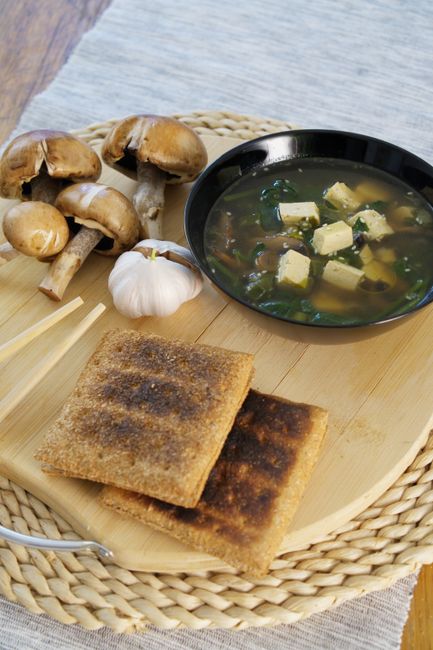
Shiitake Mushroom Miso Soup: A Deep Dive into Umami, Health Benefits, and Culinary Versatility
Shiitake mushroom miso soup transcends its reputation as a simple starter; it is a profound exploration of umami, a cornerstone of Japanese cuisine, elevated by the earthy depth and inherent health benefits of shiitake mushrooms. This article delves into the intricacies of this beloved dish, examining the foundational elements of miso and shiitake, their synergistic relationship, the nutritional advantages, and the diverse culinary applications that make it a staple in kitchens worldwide. Understanding the components and preparation of shiitake mushroom miso soup unlocks not just a delicious recipe, but a gateway to a more nuanced appreciation of Japanese food culture and its emphasis on health-conscious, flavor-rich ingredients.
The heart of this soup lies in its two primary components: miso and shiitake mushrooms. Miso, a fermented soybean paste, is not a monolithic ingredient. It exists in a spectrum of flavors and colors, primarily categorized by its fermentation time and the presence of other grains. White miso (shiro miso) is the mildest and sweetest, typically fermented for a shorter period with rice. Yellow miso (shinshu miso) offers a balanced flavor, a step up in savoriness from white miso. Red miso (aka miso) is the most robust and salty, aged for a longer duration, often with barley or soybeans. Each type imparts a distinct character to the soup. White miso creates a delicate, subtly sweet broth, ideal for lighter palates, while red miso delivers a bolder, more intense umami punch, suitable for heartier meals. The fermentation process itself is crucial, as it breaks down proteins and carbohydrates, creating the complex flavor profile and contributing to the soup’s digestibility and probiotic content. Shiitake mushrooms, on the other hand, are revered for their meaty texture and intense, savory flavor, often described as smoky and woody. Their unique taste profile is attributed to compounds like guanylate and glutamate, which are potent contributors to the overall umami experience. When combined, the fermented richness of miso and the natural savoriness of shiitake create a synergy that is more than the sum of its parts, producing a broth that is deeply satisfying and complex.
The health benefits of shiitake mushroom miso soup are as compelling as its flavor. Miso, as a fermented food, is a rich source of probiotics, beneficial bacteria that support gut health, aid digestion, and may bolster the immune system. It also contains essential nutrients like manganese, zinc, and copper, along with various B vitamins. The fermentation process enhances the bioavailability of these nutrients, making them more readily absorbed by the body. Shiitake mushrooms are nutritional powerhouses in their own right. They are an excellent source of B vitamins, particularly B5 (pantothenic acid) and B6 (pyridoxine), which are vital for energy production and brain function. They also provide important minerals such as selenium, which acts as an antioxidant, and copper, essential for iron absorption and red blood cell formation. Furthermore, shiitake mushrooms are known for their beta-glucans, a type of soluble fiber that has been extensively studied for its immune-modulating properties. These compounds can stimulate the immune system, potentially helping the body fight off infections and viruses. Some research also suggests that beta-glucans may have cholesterol-lowering effects and contribute to overall cardiovascular health. The combination of these fermented and nutrient-dense ingredients makes shiitake mushroom miso soup a potent elixir for well-being, supporting everything from digestive vitality to immune defense and metabolic function.
The preparation of a foundational shiitake mushroom miso soup is relatively straightforward, yet mastering its nuances unlocks a superior culinary experience. The process typically begins with creating a dashi, the Japanese broth that forms the soul of many soups. A traditional dashi can be made with kombu (dried kelp) and katsuobushi (dried bonito flakes). For a vegetarian or vegan version, the katsuobushi is omitted, and the dashi is often flavored with dried shiitake mushrooms themselves, adding another layer of umami. The dried shiitake mushrooms are rehydrated, and their soaking liquid, rich in flavor, is incorporated into the dashi. Fresh shiitake mushrooms are then typically sliced and added to the dashi to simmer, releasing their full flavor and achieving a tender, yet firm texture. Once the dashi and mushrooms have reached optimal flavor, the miso is introduced. It is crucial to add the miso at the end of the cooking process, after the broth has been removed from direct heat. Miso should never be boiled, as high temperatures can destroy its delicate flavor compounds and beneficial probiotic cultures. The miso is usually dissolved in a small amount of the warm broth in a separate bowl before being gently stirred back into the main pot. This ensures even distribution and prevents clumping. The addition of other ingredients can further enhance the soup. Thinly sliced scallions (green onions) provide a fresh, sharp counterpoint to the rich broth. Cubes of silken tofu add a creamy texture and a boost of protein. Wakame seaweed, rehydrated in water, introduces a subtle oceanic flavor and additional minerals. The final result is a soup that is both comforting and complex, a testament to the harmonious interplay of simple, high-quality ingredients.
Beyond the classic iteration, shiitake mushroom miso soup exhibits remarkable culinary versatility, adapting to a wide array of ingredients and flavor profiles. The choice of miso significantly influences the soup’s character. A white miso base can be augmented with lighter vegetables like bok choy, spinach, or snap peas, creating a delicate and refreshing soup. Adding a touch of ginger or a splash of rice wine vinegar can further brighten these lighter versions. For a heartier, more robust soup, red or even darker mixed miso (awase miso) can be employed. In these instances, the soup can accommodate heartier ingredients such as root vegetables like daikon radish or carrots, hearty greens like kale, and even small dumplings or noodles. The shiitake mushrooms themselves can be prepared in various ways. Roasting them before adding them to the soup can intensify their earthy flavor and create a chewier texture. Slicing them thinly allows them to meld seamlessly into the broth, while thicker slices offer a more substantial bite. For those seeking an extra layer of umami, a small amount of soy sauce or tamari can be added towards the end of cooking, though care must be taken not to overpower the subtle flavors of the miso. The addition of protein is another avenue for variation. Beyond tofu, shredded chicken or pork, or even small shrimp can be incorporated, transforming the soup into a more complete meal. A garnish of toasted sesame oil or a sprinkle of shichimi togarashi (Japanese seven-spice blend) can provide a final flourish of aroma and flavor. This adaptability makes shiitake mushroom miso soup a perfect canvas for culinary creativity, allowing it to be tailored to individual preferences and available ingredients, while consistently delivering its signature umami depth and health benefits.
The cultural significance of miso soup, and specifically shiitake mushroom miso soup, within Japanese cuisine cannot be overstated. It is a fundamental dish, present at virtually every meal, from humble breakfasts to elaborate kaiseki dinners. Its role extends beyond mere sustenance; it is a symbol of hospitality, comfort, and balance. The inclusion of shiitake mushrooms elevates this staple, reflecting a deeper appreciation for seasonal ingredients and their inherent nutritional value. In Japan, the emphasis on "washoku," the traditional dietary culture, prioritizes whole foods, fermentation, and a harmonious balance of flavors and textures. Shiitake mushroom miso soup embodies these principles perfectly. The use of dashi as a foundational element underscores the Japanese culinary philosophy of extracting maximum flavor from minimal ingredients, often relying on the natural umami present in seaweeds and dried foods. The therapeutic qualities attributed to miso and mushrooms further align with traditional Japanese understanding of food as medicine. This soup is not just consumed for its taste; it is understood to nourish the body and promote well-being. The mindful preparation, where ingredients are treated with respect and cooked to perfection, is also a key aspect of its cultural importance. The act of making miso soup is often a quiet, meditative process, fostering a connection between the cook and the food. Consequently, shiitake mushroom miso soup represents a confluence of culinary artistry, nutritional wisdom, and deep-seated cultural tradition, making it far more than just a soup; it is an edible embodiment of Japanese values.
The sourcing and quality of ingredients are paramount to achieving an exceptional shiitake mushroom miso soup. For miso, opting for unpasteurized, traditionally brewed varieties will yield the most vibrant flavor and probiotic content. Look for miso that lists simple ingredients like soybeans, rice, barley, salt, and koji (the mold used in fermentation). Organic and non-GMO options are also readily available and often preferred for their purity. When selecting shiitake mushrooms, fresh, firm specimens with tightly closed caps and thick stems are ideal. Avoid mushrooms that appear dry, shriveled, or bruised. Dried shiitake mushrooms, while requiring rehydration, can offer an even more concentrated umami flavor, particularly if they are of high quality. When purchasing dried shiitake, look for plump, dark caps. For the dashi, high-quality kombu, characterized by a white powdery bloom (mannitol, a natural sweetener), is crucial. Similarly, good quality katsuobushi will have a deep, smoky aroma. For a vegetarian or vegan dashi, premium dried shiitake mushrooms can often substitute for katsuobushi in providing a robust umami foundation. The water used for making dashi and the soup itself also plays a subtle but significant role. Filtered or spring water is often recommended to avoid any off-flavors from tap water that might detract from the delicate nuances of the soup. Paying attention to these details in ingredient selection elevates the final dish from good to truly exceptional, unlocking the full potential of the shiitake mushroom miso soup.
