Mistakes in Fueling Vehicles Remain a Persistent Problem, Causing Costly Damage and Performance Issues

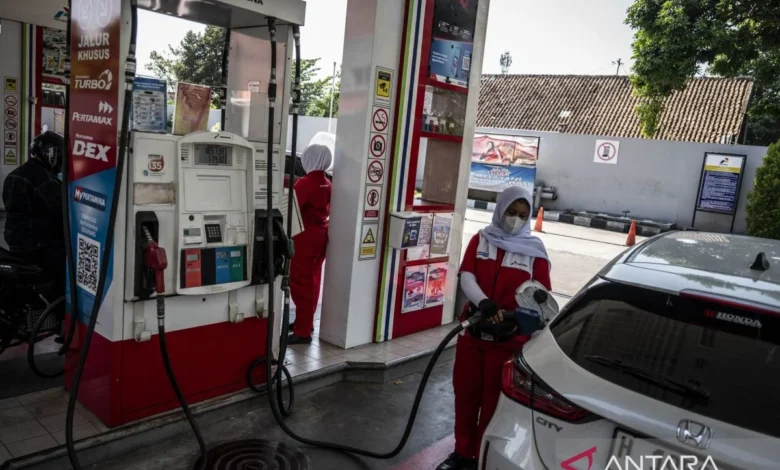
Jakarta, Indonesia – The issue of drivers mistakenly fueling their vehicles with the wrong type of gasoline or diesel continues to be a recurring problem across Indonesia, often stemming from haste or a lack of attention to detail. This oversight, while seemingly minor, can have significant repercussions for a vehicle’s performance and longevity. Each vehicle is engineered with specific engine requirements, and deviating from these factory-set specifications can lead to a cascade of mechanical failures, potentially resulting in repair bills running into millions of rupiah. Understanding the consequences of such errors and knowing the appropriate course of action is paramount for every vehicle owner.
The fundamental role of fuel in a vehicle’s operation cannot be overstated. It is the lifeblood of the engine, directly influencing its performance, efficiency, and overall health. Currently, the automotive landscape primarily utilizes three main types of fuel: gasoline (petrol), diesel, and gas. Each possesses distinct chemical properties and combustion characteristics, making them suitable for specific engine designs.
For gasoline-powered vehicles, manufacturers typically specify a minimum octane rating, often denoted as the Research Octane Number (RON). Common recommendations include RON 92 or RON 95. The octane number is a critical indicator of a fuel’s resistance to premature detonation, or "knocking." A higher octane rating allows for a more controlled and complete combustion process within the engine cylinders. This optimal combustion translates into sustained engine power, improved fuel efficiency, and a reduced likelihood of internal engine damage.
Diesel engines, on the other hand, operate on a fundamentally different principle. They rely on compression ignition, where the high pressure generated within the cylinder ignites the fuel without the need for a spark plug. This process necessitates a fuel with different properties than gasoline. Diesel fuel, commonly referred to as solar in Indonesia, is designed for this high-compression environment. The distinct combustion mechanisms of gasoline and diesel engines mean that these two fuel types are not interchangeable.
The Detrimental Effects of Using Incorrect Fuel in Gasoline Vehicles
One of the most frequent fueling errors involves gasoline vehicles being filled with a fuel that has a lower octane rating than recommended by the manufacturer. For instance, a vehicle designed to run on premium gasoline (e.g., Pertamax, typically RON 92 or higher) being consistently filled with regular gasoline (e.g., Pertalite, typically RON 90) exemplifies this common mistake.
The immediate consequence of using lower-octane fuel in a gasoline engine is suboptimal combustion. The fuel ignites prematurely under compression, leading to the characteristic "knocking" or "pinging" sound, often referred to as "ngelitik" in Indonesian. This premature detonation not only reduces the engine’s power output and makes it feel sluggish but also increases fuel consumption, making the vehicle less efficient.
Over the long term, continuous use of fuel with an insufficient octane rating can accelerate the wear and tear of critical engine components. The excessive heat and pressure generated by knocking can damage pistons, cylinder walls, and valves. Furthermore, the fuel injection system and the fuel pump, which are designed to operate under specific pressure and flow conditions, can experience malfunctions or premature failure when subjected to the incorrect fuel type. The Indonesian Ministry of Energy and Mineral Resources has consistently emphasized the importance of adhering to recommended fuel specifications to ensure optimal vehicle performance and longevity. Data from automotive repair workshops across Indonesia consistently show a rise in cases of engine trouble linked to fueling errors, particularly during periods of increased vehicle usage, such as holiday seasons.
The Severe Consequences of Filling a Gasoline Engine with Diesel
A far more serious and potentially catastrophic fueling error occurs when a gasoline-powered vehicle is accidentally filled with diesel fuel. The fundamental difference in ignition mechanisms makes this a critical mistake. Diesel fuel requires the high compression found in diesel engines to ignite. Gasoline engines, conversely, rely on the spark from a spark plug to initiate combustion.
When diesel fuel enters the combustion chamber of a gasoline engine, it cannot be effectively ignited by the spark plug. Initially, the vehicle might start and run for a short period, fueled by any residual gasoline remaining in the fuel lines. However, as the diesel fuel begins to reach the combustion chambers, the engine will rapidly lose power, sputter, and eventually stall. Attempting to restart the engine will be difficult, if not impossible, as the system is now contaminated with diesel.
If a driver attempts to force the vehicle to continue running under these conditions, the risk of severe and irreversible engine damage escalates dramatically. The uncombusted diesel fuel can wash away lubricating oil from cylinder walls, leading to excessive friction and heat. In the worst-case scenario, internal engine components, such as pistons, connecting rods, and the crankshaft, can be severely damaged, leading to what is commonly known as an "engine seizure" or "mesin jebol." Repairing such extensive damage can easily cost tens of millions of rupiah, often making engine replacement a more viable, albeit expensive, option.
The Damaging Effects of Putting Gasoline in a Diesel Engine
The inverse scenario – filling a diesel engine with gasoline – is equally detrimental and carries significant repair costs. Diesel fuel not only serves as the combustion medium for diesel engines but also plays a crucial role as a lubricant for vital components within the fuel system. The high-pressure fuel pump and the intricate fuel injectors in a diesel engine rely on the inherent lubricity of diesel fuel to function smoothly and avoid excessive wear.
Gasoline, however, lacks these lubricating properties. When gasoline enters the diesel fuel system, it fails to provide the necessary lubrication. Consequently, the high-pressure fuel pump and the precision-engineered injectors are forced to operate under conditions of extreme friction and heat, leading to accelerated wear and potential seizure.
Beyond the lubrication issue, gasoline’s different combustion characteristics mean that a diesel engine will not run efficiently, if at all, on gasoline. The engine may struggle to start, exhibit a significant loss of power, and ultimately stall. If the fuel system is not immediately purged and cleaned, the damage to the fuel pump and injectors can be substantial. Repairing or replacing these components in a diesel engine can be a costly affair, often running into millions of rupiah, especially for modern common-rail diesel systems.
Recognizing the Signs of Incorrect Fueling
Vehicle owners can often detect early warning signs that indicate their vehicle has been filled with the wrong type of fuel. These symptoms typically manifest shortly after refueling and are distinct from common mechanical issues.
- Engine Performance Degradation: A noticeable loss of power, sluggish acceleration, and reduced overall responsiveness are primary indicators. The engine may feel as though it is struggling to generate power.
- Rough Idling and Stalling: The engine may idle unevenly, with vibrations or a tendency to stall unexpectedly, especially at low speeds or when coming to a stop.
- Unusual Engine Sounds: Knocking, pinging, or rattling noises from the engine, particularly under acceleration, can signal incorrect octane fuel. For diesel engines filled with gasoline, there might be a more pronounced and erratic combustion sound.
- Difficulty Starting: The engine may crank but fail to start, or it may start but immediately stall. Repeated attempts to start the engine can exacerbate the problem.
- Excessive Smoke: While not always present, some incorrect fueling scenarios can lead to abnormal exhaust smoke, either black, blue, or white, depending on the fuel type and engine.
If these symptoms appear immediately after refueling, it is highly probable that the wrong fuel was dispensed.
Immediate Actions to Take in Case of Fueling Errors
The swift and correct response to a fueling error can significantly mitigate potential damage and reduce repair costs.
Scenario 1: The engine has NOT been started.
If the mistake is realized before the ignition is turned on, the most crucial step is to do not start the engine. Attempting to start the engine will begin the process of pumping the incorrect fuel into the fuel lines, injectors, and combustion chambers, leading to immediate contamination and potential damage. The vehicle should be carefully moved away from the pump, ideally by pushing it or using a tow truck, to a safe location, such as a reputable workshop. At the workshop, the fuel tank will need to be completely drained and flushed, and the fuel lines may require cleaning.
Scenario 2: The engine HAS been started or the vehicle has driven.
If the mistake is discovered after the engine has started or the vehicle has been driven for a short distance, the immediate priority is to pull over to a safe location as soon as possible and turn off the engine. Continuing to drive will only force the incorrect fuel through the entire system, amplifying the damage. Avoid revving the engine or attempting to drive further. Once safely stopped, contact roadside assistance or a trusted mechanic. They will arrange for the vehicle to be towed to a workshop for a thorough inspection and repair.
The standard procedure at a workshop will involve draining the fuel tank, meticulously cleaning the entire fuel system, including fuel lines, fuel filter, fuel pump, and injectors. A comprehensive diagnostic check will then be performed to assess any damage to engine components. Depending on the severity of the contamination and the type of engine, repairs can range from a simple flush to the replacement of significant engine parts.
Proactive Measures to Prevent Fueling Mistakes
Preventing fueling errors is far more cost-effective and less stressful than dealing with the aftermath. Several simple yet effective practices can help drivers avoid these costly mistakes:
- Consult Vehicle Manuals: Vehicle manufacturers provide clear guidelines on the recommended fuel type and octane rating for their vehicles. This information is typically found in the owner’s manual, often in a dedicated section on fuel.
- Check Fuel Tank Cap and Stickers: Many vehicles have a sticker located inside the fuel filler door or on the fuel cap itself, indicating the required fuel type. This is a readily accessible reminder.
- Pay Close Attention at the Pump: During the refueling process, consciously observe the nozzle being used by the attendant. Ensure it matches the type of fuel your vehicle requires. If you are unsure, ask the attendant to confirm.
- Be Extra Vigilant with New or Unfamiliar Vehicles: When driving a new car, a rental car, or a vehicle that is not regularly used, it is crucial to double-check the fuel requirements before refueling. Familiarity can breed complacency, making it essential to exercise caution.
- Educate Passengers: If a passenger is assisting with refueling, ensure they are also aware of the vehicle’s fuel requirements.
The Broader Implications and Industry Perspective
The recurring problem of incorrect fueling highlights a gap in public awareness and the need for continuous education. While fuel providers strive to ensure accuracy, human error at the pump remains a possibility. The economic impact of these mistakes is substantial, not only for individual vehicle owners facing hefty repair bills but also for the automotive repair industry, which sees a steady stream of vehicles requiring correction.
Industry experts and automotive associations have called for enhanced public awareness campaigns, particularly in regions with a high density of vehicle ownership. These campaigns often focus on the fundamental differences between gasoline and diesel engines and the specific requirements of each. The Indonesian Petroleum Public Relations Association (HIPMI Migas) has acknowledged the issue and stated its commitment to working with fuel stations to reinforce best practices and error-reduction protocols.
The long-term implications of consistently using the correct fuel are significant. For the individual, it means a reliable vehicle, optimal fuel economy, and a longer lifespan for their investment. For the broader automotive ecosystem, it contributes to a reduction in unnecessary vehicle breakdowns, supports efficient transportation, and minimizes the environmental impact associated with premature vehicle component failure. The principle remains simple yet critical: matching the fuel to the engine is not merely a recommendation; it is a necessity for sustained performance and mechanical integrity.
Copyright © ANTARA 2026
Related posts: