Mulan Jameela and Ahmad Dhani Actively Participate in Crucial DPR RI Plenary Session Addressing National Economic Strategy and Legislative Priorities

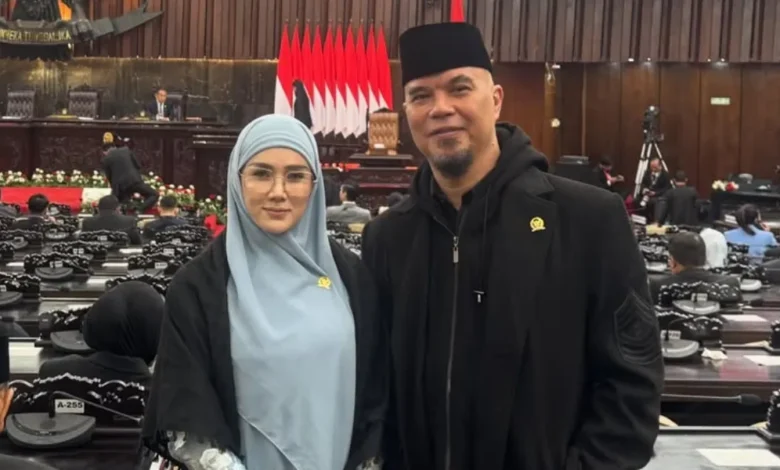
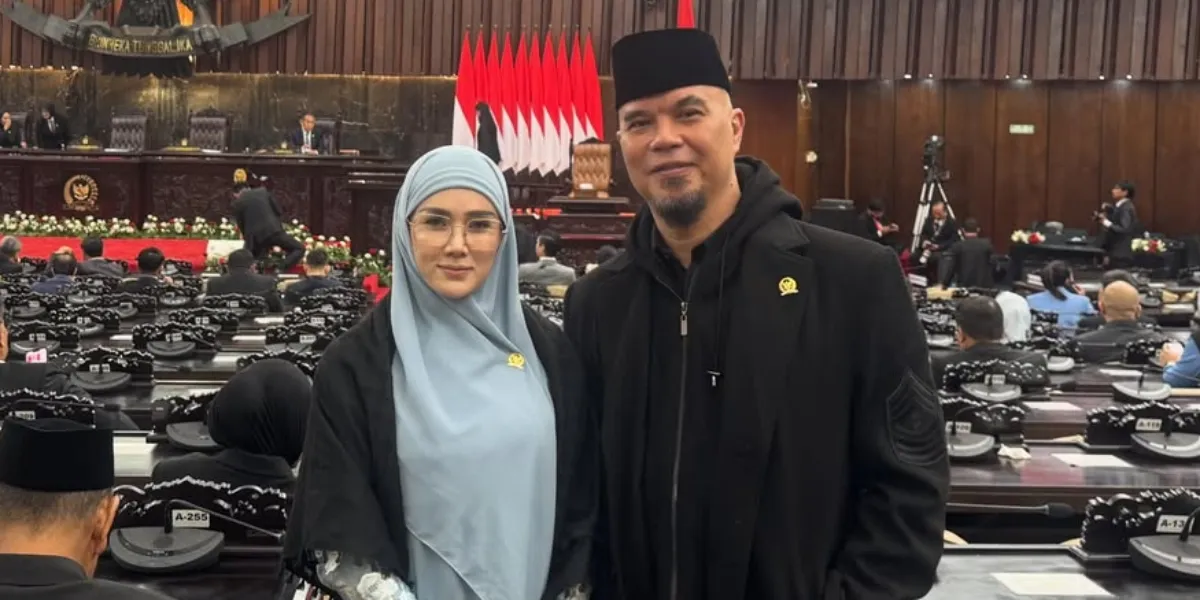
The Dewan Perwakilan Rakyat Republik Indonesia (DPR RI) convened a pivotal Plenary Session on Wednesday, May 20, 2026, drawing significant attention as prominent legislative figures, including the renowned musical duo Mulan Jameela and Ahmad Dhani, participated in the critical deliberations. The session featured a highly anticipated presentation on national macroeconomic policy by President Prabowo Subianto, alongside a comprehensive discussion on the National Legislation Program (Prolegnas) led by the DPR RI’s Badan Legislasi (Legislative Body). This gathering underscored the continuous legislative efforts to shape Indonesia’s future, balancing economic stability with robust legal frameworks.
The Legislative Arena: Understanding DPR RI Plenary Sessions
A Plenary Session (Rapat Paripurna) stands as the highest decision-making forum within the DPR RI, where all members gather to discuss, debate, and endorse crucial legislative and oversight matters. These sessions are fundamental to Indonesia’s democratic process, serving as the platform for formalizing decisions on laws, budgets, and national policies. Typically, plenary sessions address a wide array of agendas, including the approval of bills into law, ratification of international treaties, endorsement of government regulations, and, as seen on May 20, 2026, the reception of critical policy directives from the executive branch. The presence of the President to deliver a macroeconomic policy address signifies the profound importance of the session, as it outlines the government’s economic direction and sets the stage for future legislative action and budgetary allocations. The discussions on Prolegnas, concurrently, are vital for ensuring a structured and prioritized approach to lawmaking, guiding the legislative agenda for the upcoming years and reflecting the nation’s evolving needs and challenges.
Political Journeys: Mulan Jameela and Ahmad Dhani in Parliament
Mulan Jameela and Ahmad Dhani, a couple celebrated for their indelible contributions to Indonesia’s music industry, officially transitioned into the political sphere upon their inauguration as members of the DPR RI for the 2024-2029 term on October 1, 2024. Both represent the Gerindra Party, which, by 2026, holds a significant position in the political landscape, particularly with its chairman, Prabowo Subianto, serving as the President. Their presence in the legislative body represents a broader trend of public figures engaging in politics, bringing with them a different dimension of public engagement and constituency representation.
Ahmad Dhani’s Representation and Role
Ahmad Dhani, a legendary figure in Indonesian music, secured his seat representing the Daerah Pemilihan (Dapil) Jawa Timur I. This constituency is one of Indonesia’s most populous and economically vital regions, encompassing the dynamic city of Surabaya and its surrounding areas. East Java I is characterized by its diverse industrial base, significant port activities, and a vibrant cultural scene, alongside a substantial rural hinterland. Dhani’s electoral victory in such a complex and competitive district highlighted his enduring public appeal and the strategic outreach of the Gerindra Party. As a member of parliament, his responsibilities extend to advocating for the economic development of his region, addressing local infrastructure needs, and representing the cultural and social interests of his constituents. Given his background, it is plausible that Dhani would be involved in commissions related to creative economy, education, or even trade and industry, aligning his legislative efforts with both his personal expertise and the demands of his diverse constituency. His participation in the macroeconomic policy discussion is crucial for ensuring that national economic strategies resonate with the ground realities and aspirations of East Java’s populace.
Mulan Jameela’s Continued Mandate
Mulan Jameela, another iconic singer, embarked on her second term as a member of the DPR RI, signifying a continuity of her legislative service and an established political presence. She represents Dapil Jawa Barat XI, which includes the regencies of Garut, Tasikmalaya, and the city of Tasikmalaya. This constituency in West Java is predominantly agricultural, with significant textile industries and a rich cultural heritage. Her re-election for a second term speaks to her successful engagement with her constituents and her growing experience within the parliamentary system. During her first term, Mulan Jameela likely focused on issues pertinent to her region, such as rural development, women’s empowerment, cultural preservation, and support for small and medium enterprises (SMEs) which are vital to West Java’s economy. Her sustained presence in parliament allows her to build upon her previous legislative work, deepen her understanding of policy intricacies, and more effectively champion the needs of her diverse constituency. Her insights during discussions on Prolegnas would be particularly valuable, ensuring that new legislation considers the unique challenges and opportunities present in regions like West Java XI.
Setting the Economic Course: President Prabowo’s Macroeconomic Vision
The presentation of the national macroeconomic policy by President Prabowo Subianto was undoubtedly the centerpiece of the May 20, 2026 Plenary Session. By 2026, Indonesia’s economy would likely be navigating a complex global landscape characterized by ongoing geopolitical shifts, fluctuating commodity prices, and the imperative for sustainable growth. The President’s address would therefore focus on key pillars designed to ensure economic resilience and progress.
Key areas of focus for President Prabowo’s 2026 macroeconomic policy could include:
- Sustainable Economic Growth: Strategies to maintain a healthy GDP growth rate, aiming for inclusive development across all sectors and regions. This would likely involve targets for investment, consumption, and export growth.
- Inflation Control and Price Stability: Measures to manage inflation, particularly for staple goods, to protect household purchasing power and ensure economic stability. This would involve coordinating fiscal and monetary policies.
- Fiscal Prudence and Debt Management: Policies to ensure sound public finances, manage the national debt responsibly, and optimize government spending for maximum impact on development.
- Infrastructure Development: Continued commitment to critical infrastructure projects, including transportation, digital connectivity, and energy, to enhance productivity and regional connectivity.
- Downstreaming Industry: A significant focus on enhancing value-added processing of Indonesia’s abundant natural resources, moving beyond raw material exports to boost industrialization and create higher-paying jobs. This aligns with a core tenet of the Prabowo administration’s economic vision.
- Food Security and Agricultural Modernization: Strategies to strengthen national food resilience through agricultural modernization, diversification of crops, and improved logistics to ensure stable supply chains.
- Human Capital Development: Investment in education, vocational training, and healthcare to enhance the quality of Indonesia’s workforce, preparing it for future economic challenges and opportunities.
- Green Economy Transition: Policies promoting sustainable practices, renewable energy adoption, and environmental protection, aligning with global climate goals and long-term economic sustainability.
The President’s address serves as a crucial blueprint, informing the DPR RI’s subsequent legislative agenda, particularly in the realm of budget formulation for the upcoming fiscal year. It sets the tone for national priorities and directs the efforts of various ministries and government agencies.
Shaping the Legal Framework: The Prolegnas and Badan Legislasi’s Mandate
The discussion on the National Legislation Program (Prolegnas) by the Badan Legislasi (Baleg) is equally critical, as it defines the roadmap for lawmaking in Indonesia. Baleg is a permanent committee within the DPR RI responsible for drafting, synchronizing, and harmonizing bills, as well as compiling and overseeing the implementation of the Prolegnas. The Prolegnas is a long-term and annual list of priority bills that the DPR RI and the government intend to enact.
The May 20, 2026 session would involve:
- Evaluation of Current Prolegnas: Assessing the progress of bills from previous years and identifying those that require continued attention or modification.
- Prioritization of New Bills: Deliberating on new legislative proposals submitted by DPR members, factions, or the government, and determining their urgency and feasibility. This might include bills related to:
- Economic Reforms: Laws to support the President’s macroeconomic policy, such as amendments to investment laws, tax regulations, or industry-specific legislation to facilitate downstreaming.
- Social Welfare: Bills addressing social safety nets, healthcare access, education reform, or labor rights.
- Environmental Protection: Legislation to strengthen environmental regulations, promote renewable energy, or manage natural resource exploitation sustainably.
- Digital Economy: Laws to regulate emerging digital industries, protect consumer data, or enhance cybersecurity.
- Synchronization and Harmonization: Ensuring that proposed legislation is consistent with existing laws and the 1945 Constitution, and that there are no overlaps or conflicts between different legal frameworks.
The diligent work of Baleg in managing Prolegnas is vital for maintaining the quality and coherence of Indonesia’s legal system, ensuring that legislative output effectively addresses national challenges and supports the government’s development agenda.
Statements and Perspectives from the Political Sphere
While specific quotes from Mulan Jameela and Ahmad Dhani were not provided, their active participation in such a high-level session implies a commitment to their legislative duties. It can be reasonably inferred that both would emphasize their dedication to representing their constituents’ interests and contributing to robust national policymaking. A generalized statement reflecting their stance might be: "We are committed to actively engaging in these crucial national discussions, ensuring that the voice of our constituents from East Java I and West Java XI is heard, and that legislative outcomes genuinely contribute to Indonesia’s progress and prosperity."
From the perspective of the Gerindra Party, a spokesperson might have underscored the alignment between the President’s macroeconomic vision and the party’s legislative agenda. "The President’s comprehensive macroeconomic policy provides a clear roadmap for our nation’s economic future. As members of the DPR RI and the Gerindra Party, we are fully committed to translating this vision into effective legislation through the Prolegnas, ensuring stability, growth, and equity for all Indonesians," a party representative could have stated.
Economic analysts would likely highlight the importance of strong macroeconomic policy in navigating global uncertainties. "In 2026, a clear and actionable macroeconomic strategy is paramount for Indonesia to sustain its growth trajectory and build resilience against external shocks. The President’s presentation provides a critical framework for the upcoming budget and legislative priorities," an analyst might comment. Similarly, legislative experts would emphasize the significance of Prolegnas: "The meticulous work of Baleg in prioritizing and harmonizing legislation through Prolegnas is the backbone of an effective parliamentary system. It ensures that the DPR’s output is relevant, coherent, and impactful in addressing the nation’s evolving needs."
Beyond the Session: Implications for Governance and Public Policy
The Plenary Session on May 20, 2026, with its dual focus on macroeconomic policy and legislative planning, carries significant implications for Indonesian governance and public policy. The strong synergy between the executive and legislative branches, particularly when the President’s party holds a significant number of seats, can facilitate smoother policy implementation and legislative progress. However, it also necessitates robust oversight mechanisms to ensure accountability and transparency.
The continued presence of public figures like Mulan Jameela and Ahmad Dhani in parliament also sparks ongoing public discourse. Their transition from entertainment to politics often comes with increased scrutiny, balancing the expectations of their artistic past with the demanding realities of legislative work. Their effectiveness will be continually measured by their contributions to committee work, their advocacy for their constituencies, and their participation in key legislative debates. This phenomenon reflects the evolving landscape of Indonesian politics, where diverse backgrounds increasingly converge in the nation’s highest legislative body.
Ultimately, the DPR RI’s role remains central to national development. Through its legislative function, oversight responsibilities, and budgetary approvals, it shapes the socio-economic fabric of the country. The discussions held on May 20, 2026, are not merely procedural; they are foundational to Indonesia’s ability to achieve its long-term development goals, address contemporary challenges, and build a more prosperous and equitable future for its citizens.
Conclusion: A Forward Look at Indonesia’s Legislative Path
The May 20, 2026 Plenary Session of the DPR RI, featuring the active involvement of Mulan Jameela and Ahmad Dhani, underscored the dynamic interplay between executive policy and legislative action in Indonesia. President Prabowo Subianto’s macroeconomic policy presentation provided the economic compass for the nation, while the Badan Legislasi’s deliberation on Prolegnas charted the course for future legal reforms. As Indonesia navigates the complexities of the mid-2020s, the collaborative efforts within the DPR RI, driven by both seasoned politicians and public figures turned legislators, will be instrumental in translating national aspirations into tangible policies and laws. The outcomes of such sessions will undoubtedly continue to shape the trajectory of the nation’s economic stability, social progress, and overall governance in the years to come.