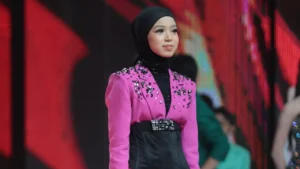
Murama and Clara Battle Lagu Jera and Ditikam Asmara at DA8, Secure 3 Standing Ovations

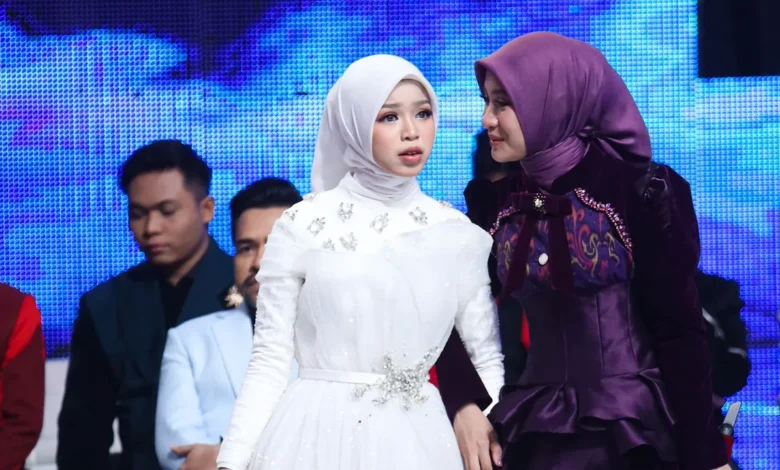
The competitive landscape of Dangdut Academy 8 (DA8) reached an emotional and artistic climax during its highly anticipated Top 12 Result show, drawing widespread acclaim from both the judging panel and the viewing public. Among the most talked-about highlights of the evening was the powerful vocal showdown—commonly referred to as a "battle"—between two standout contestants, Murama and Clara. Beyond their fierce musical prowess on stage, the duo captured public affection through their undeniable off-stage camaraderie, appearing remarkably synchronized in elegant, modest attire that evoked the imagery of contemporary princesses. As the competition narrows down and the stakes grow exponentially higher, the performances delivered by Murama and Clara have fundamentally shifted the momentum of the tournament, cementing their positions as formidable contenders in Indonesia’s premier dangdut talent search.
The journey toward the Top 12 Result show has been characterized by rigorous training regimens, psychological preparation, and intense artistic development. Dangdut Academy, produced and broadcast through major networks in partnership with Indosiar, has historically served as the definitive incubator for traditional and contemporary dangdut vocalists in Southeast Asia. For months, contestants like Murama and Clara have undergone comprehensive coaching covering vocal modulation, stage presence, traditional ornamentation (cengkok), and audience engagement. The decision to pair Murama and Clara for a head-to-head performance format in this crucial elimination round was a calculated artistic choice by the production team, designed to test the emotional resonance, adaptability, and professional maturity of both performers under immense pressure.
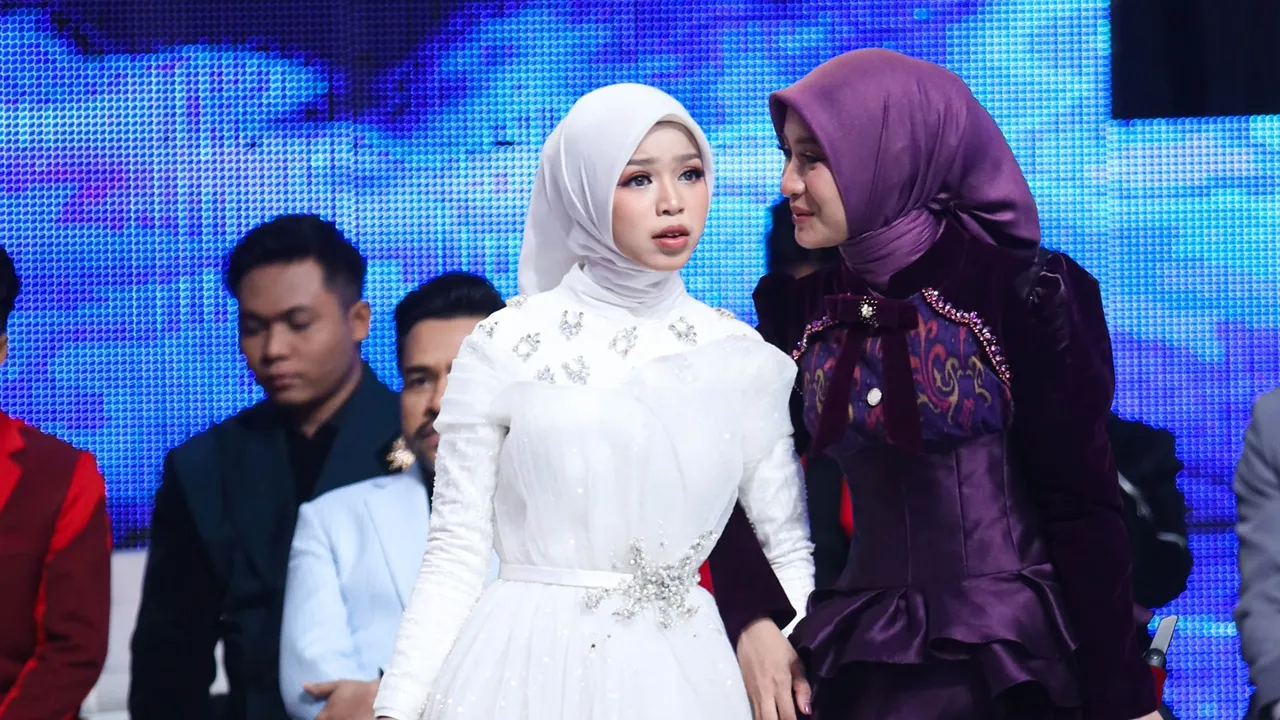
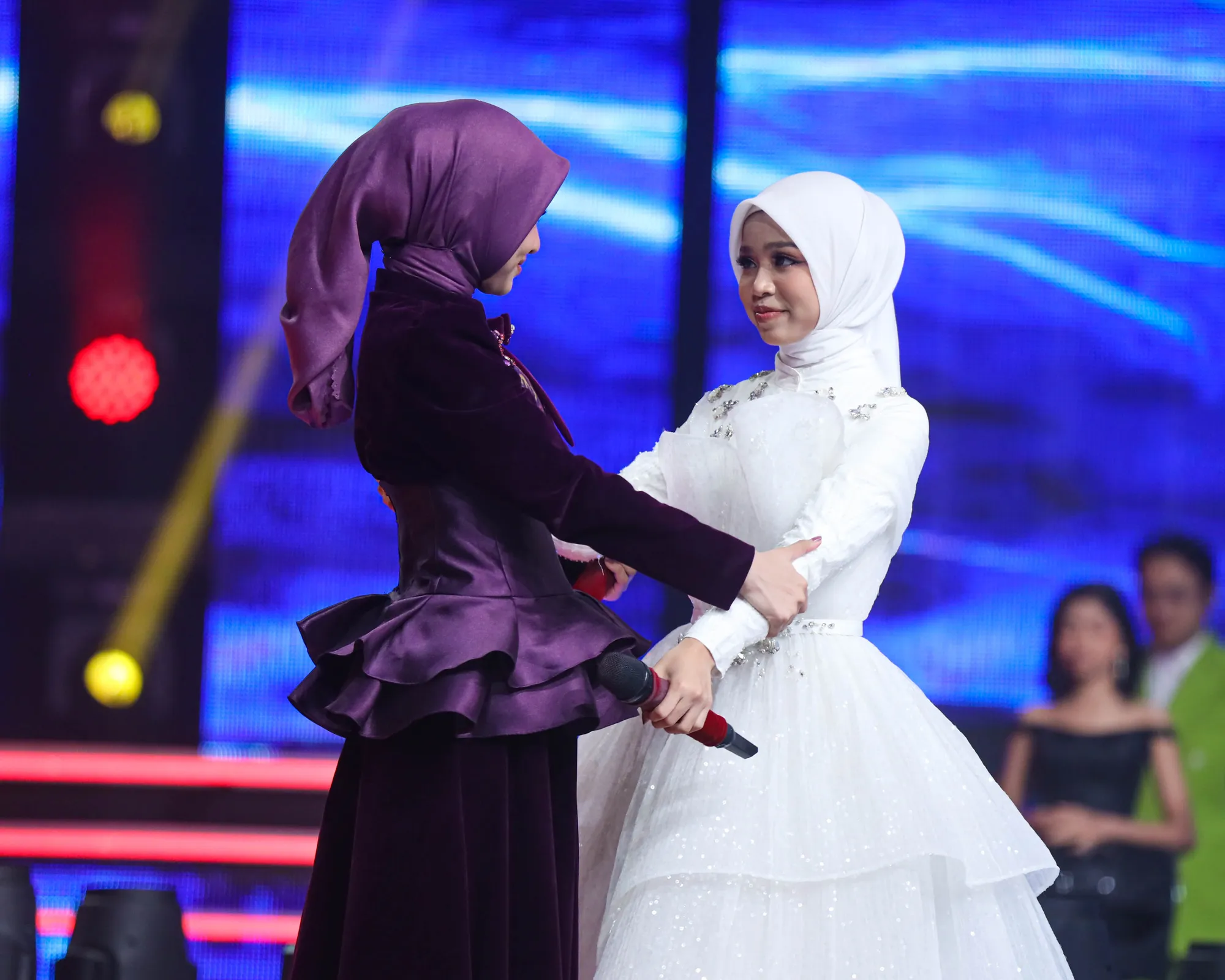
Prior to stepping into the glaring lights of the main stage, the backstage atmosphere offered a contrasting moment of calm and mutual support. Murama and Clara shared a moment of genuine warmth that quickly circulated across digital media platforms and entertainment news portals. Murama radiated elegance in a floor-length white gown embellished with intricate, shimmering details and voluminous layered textiles, perfectly complemented by a matching white hijab. In harmonious contrast, Clara opted for a sophisticated deep purple peplum-style dress featuring delicate chest embroidery, paired with a complementary purple hijab. The visual synergy between the two contestants was striking; their contrasting yet coordinated color palettes made them resemble contemporary royal figures preparing for a momentous occasion. Observers noted that rather than exhibiting the tense rivalry typical of elimination rounds, Murama and Clara shared words of encouragement, exemplifying the sportsmanship and sisterhood fostered within the DA8 quarantine and training facility.
As the competition progressed to the live arena, the mood shifted rapidly from collaborative warmth to fierce artistic competition. The battle segment required Murama and Clara to interpret and perform distinct musical arrangements of well-known dangdut compositions, specifically navigating the emotional depths of the tracks "Jera" and "Ditikam Asmara." These songs demand formidable vocal control, the ability to transition smoothly between chest and head registers, and a profound emotional understanding of heartbreak and longing—hallmarks of classic and contemporary dangdut storytelling.
When the two contestants took their positions on stage, the contrast in their performance styles became immediately apparent, yet they maintained a seamless harmonic and competitive balance. Murama approached her segments with meticulous concentration, tightly gripping the microphone as she delivered intricate vocal runs with precision. Clara matched this intensity with theatrical flair and deeply expressive phrasing, capturing the poignant narrative of the lyrics. The resulting musical clash was not merely a contest of volume or range, but a masterclass in dynamic interpretation, where both artists elevated each other’s performances through responsive phrasing and shared stage awareness.

The culmination of their strenuous preparation and raw talent manifested in an overwhelmingly positive reception from the DA8 judging panel. Following the final notes of their performance, the studio audience erupted into applause, and the entire panel of judges rose in unison to deliver three consecutive Standing Ovations (SO). This rare and prestigious collective acknowledgment underscores the exceptional caliber of the performance, which transcended the standard expectations of a reality television singing competition.
Prominent dangdut royalty and esteemed judge Umi Elvy Sukaesih offered high praise for the duel, articulating the sentiments of the entire panel. "Saya lihat di sini, masyaallah. Dua-duanya bagus," remarked Umi Elvy, highlighting the difficulty of choosing a favorite between two performers who executed their respective vocal challenges with near-flawless execution. Other members of the judging panel echoed these sentiments, emphasizing that Murama and Clara demonstrated a mature understanding of song arrangement, emotional delivery, and professional stagecraft that rivals established recording artists in the Indonesian music industry.
The implications of this successful battle extend far beyond a single episode, significantly impacting the broader trajectory of Dangdut Academy 8. Securing three Standing Ovations in the Top 12 phase carries substantial strategic weight, as it heavily influences viewer polling percentages and judges’ save considerations. In television formats of this scale, psychological momentum plays a critical role; contestants who deliver breakout performances often experience a surge in fan base engagement, digital streaming metrics, and media visibility. For Murama and Clara, this joint triumph validates their months of arduous practice and elevates their marketability within the highly competitive Indonesian dangdut recording industry.
Furthermore, performances of this caliber reinforce the cultural and commercial relevance of Dangdut Academy as a premier institution for musical talent development. By elevating traditional vocal techniques and blending them with modern stage aesthetics, contestants like Murama and Clara contribute to the ongoing evolution of dangdut music, ensuring its appeal to younger demographics while preserving its traditional roots. As the competition advances toward the next elimination tiers, the benchmark set by this performance ensures that future rounds will demand even higher levels of artistic innovation and vocal endurance from all remaining participants.
Ultimately, the pairing of Murama and Clara on the DA8 Top 12 Result stage will be remembered as a defining moment of the season—a harmonious blend of striking visual presentation, genuine sportsmanship, and elite vocal execution. Their journey from backstage companions to fierce musical competitors illustrates the multifaceted nature of modern talent competitions, where artistic excellence and personal character hold equal weight. As both artists prepare for the subsequent challenges of the tournament, the lessons learned and the public acclaim garnered from their memorable battle will undoubtedly serve as a strong foundation for their continued success in the entertainment industry.