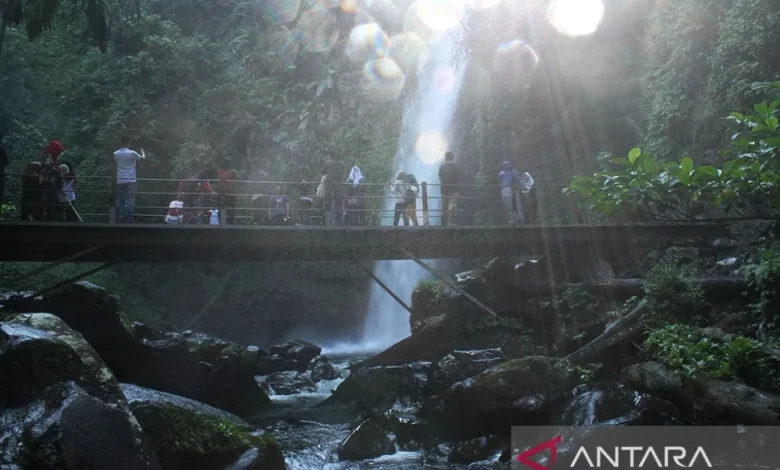
Mount Gede, a majestic stratovolcano soaring 2,958 meters above sea level, stands as one of Indonesia’s most sought-after hiking destinations. Nestled within the expansive Gunung Gede Pangrango National Park, which sprawls across the regencies of Bogor, Cianjur, and Sukabumi in West Java, this natural marvel captivates visitors with its breathtaking panoramas. From lush tropical forests and cascading waterfalls to the iconic edelweiss fields blanketing Suryakencana Meadow, Mount Gede offers a symphony of natural beauty. Beyond its scenic allure and relative accessibility from Jakarta, the mountain is steeped in a rich tapestry of folklore, passed down through generations by local communities and the dedicated climbing fraternity. These tales have evolved into enduring myths, deeply interwoven with the mountain’s climbing culture and respected as integral elements of its heritage.
While lacking scientific grounding, these myths often carry profound moral lessons, ethical guidelines, and a compelling call for respect towards the natural environment within this protected conservation area. This article delves into ten of the most prominent myths associated with Gunung Gede Pangrango, exploring their origins, interpretations, and enduring significance.
The Enduring Allure of Mount Gede
Mount Gede’s popularity as a hiking destination is not merely a recent phenomenon. For decades, it has drawn adventurers, nature enthusiasts, and spiritual seekers alike. The park, established in 1980, is a biodiversity hotspot, home to numerous endemic species of flora and fauna, further enhancing its ecological importance. The accessibility from the densely populated Jakarta metropolitan area, with travel times often under three hours, makes it a convenient escape for city dwellers seeking respite in nature. The primary climbing routes, typically starting from Cibodas or Salabintana, are well-trodden, indicating the sheer volume of trekkers who traverse its slopes annually. Estimates suggest that hundreds of thousands of people visit the national park each year, with a significant portion undertaking the ascent of Mount Gede.
The mountain’s geological history is also noteworthy. As part of the Indonesian arc of volcanoes, it is a testament to the dynamic forces shaping the archipelago. The volcanic activity has sculpted its dramatic landscapes, creating the very features that draw visitors. The presence of geothermal activity, evidenced by hot springs in the surrounding areas, adds another layer to its natural mystique.
Exploring the Ten Most Prominent Myths of Gunung Gede Pangrango
The narratives surrounding Mount Gede are as varied as the flora and fauna it harbors. They speak to the deep connection between humans and the natural world, and the inherent human tendency to seek meaning and order in the face of the unknown.
1. The Taboo of Climbing During Menstruation
One of the most frequently cited myths is the prohibition for women experiencing menstruation to ascend Mount Gede. Folklore suggests that individuals in this state are more susceptible to experiencing disturbances, such as getting lost or encountering unusual phenomena during their trek.
Despite the widespread circulation of this belief, there is no scientific evidence to support a correlation between menstruation and supernatural occurrences on mountains. Modern hikers, largely, view this tradition as a cultural artifact, a nod to local customs that deserves respect without necessarily requiring strict adherence. This perspective allows for the preservation of cultural heritage while acknowledging contemporary understanding. The roots of such beliefs often stem from ancient societies’ attempts to understand and manage natural cycles, sometimes attributing them to mystical forces.
2. The Prohibition Against Profanity on the Trails
Hikers are consistently advised to maintain decorum in their speech while traversing the mountain paths. According to prevailing narratives, uttering profanities or disrespectful language can invite undesirable events, including disorientation and getting lost.
Beneath the surface of this myth lies a universal message: the importance of maintaining etiquette, showing reverence for nature, and fostering a harmonious and pleasant trekking environment for all participants. This emphasizes the collective responsibility of maintaining a positive atmosphere, crucial for group cohesion and overall safety. In a remote natural setting, the psychological impact of negative language can be amplified, reinforcing the wisdom behind this age-old advice.
3. Kandang Badak: A Gateway to the Ethereal Realm
Kandang Badak, or Rhinoceros Enclosure, serves as a crucial resting point for climbers before they continue their journey towards the summits of Mount Gede or Mount Pangrango. This area is frequently shrouded in dense fog and features multiple diverging trails.
These atmospheric conditions have led some climbers to associate the location with supernatural tales, deeming it a portal to a mystical dimension. From a practical standpoint, however, dense fog and labyrinthine trails inherently increase the risk of disorientation for hikers who fail to exercise caution. This myth, therefore, underscores the practical necessity of vigilance and proper navigation in challenging environments. The name itself, "Kandang Badak," might also allude to historical encounters with wildlife or the perception of the area as a sanctuary for unseen entities.
4. The Stricture Against Removing Souvenirs
Another widely known myth prohibits the removal of any natural objects, such as stones, plants, or other items, from the Mount Gede area. Legend has it that those who transgress this taboo will face misfortune or unsettling experiences on their journey home.
Regardless of the veracity of such claims, the underlying message aligns perfectly with the core principles of conservation: taking nothing but memories and leaving nothing but footprints. This ethos is fundamental to sustainable tourism and responsible engagement with natural landscapes. The enforcement of this principle is crucial for preserving the delicate ecosystems within the national park, where even small removals can have cumulative negative impacts.
5. The Legend of Eyang Suryakencana
The name Eyang Suryakencana is almost invariably invoked in stories emanating from Mount Gede. This figure is revered by some as an ancestral spirit or the spiritual guardian of Suryakencana Meadow.
Several climbers have reported experiences attributed to this entity, ranging from witnessing spectral apparitions to hearing the phantom sound of horse hooves at night. Nevertheless, the legend of Eyang Suryakencana is primarily recognized as a part of the folklore that enriches the cultural heritage of the communities residing around Mount Gede. This legend likely emerged from a deep-seated respect for the land and a desire to personify its protective forces.
6. The Mystery of Disappearing Trekkers
Incidents of climbers becoming lost on Mount Gede are often explained through narratives of them being "hidden" by the mountain’s supernatural inhabitants, making them difficult to locate.
However, more logical explanations for such disappearances include dense fog, rapidly changing weather conditions, confusing trail junctions, and climber fatigue. This myth ultimately serves as a potent reminder for hikers to strictly adhere to safety protocols during their expeditions. The national park authorities regularly issue safety advisories, highlighting the importance of proper preparation, experienced guides, and staying on marked trails. The legend serves as a cultural reinforcement of these practical safety measures.
7. The Prohibition Against Picking Edelweiss Flowers
The delicate edelweiss flowers, often referred to as the "everlasting flower," are a major attraction in Suryakencana Meadow. Folklore dictates that picking these flowers will bring bad luck.
Today, this prohibition is not merely a myth but is also enshrined in conservation regulations. Edelweiss is a protected plant species, and climbers who damage or pick them can face legal sanctions. This underscores the evolution of cultural beliefs into formal conservation policies, demonstrating how traditional wisdom can inform modern environmental protection efforts. The preservation of edelweiss is vital for the ecological health of the alpine meadows.
8. Ethereal Gamelan Melodies at Night
Certain hikers have reported hearing gamelan music while spending the night in the forest areas surrounding Suryakencana Meadow. This sound is believed to emanate from a mystical village said to reside within the Mount Gede region.
Conversely, some attribute this phenomenon to auditory illusions caused by wind effects, natural resonance, or the auditory perceptions of tired hikers. This myth highlights the power of suggestion and the human tendency to interpret ambiguous sounds in a supernatural context, especially in an environment as isolated and awe-inspiring as a mountain forest. Scientific explanations often involve the unique acoustic properties of the environment.
9. The Tale of Pasar Setan (Demon Market)
The legend of Pasar Setan is among the most famous narratives associated with Mount Gede. Some climbers claim to have heard sounds resembling a bustling marketplace, such as faint conversations, footsteps, and general hubbub, emanating from the heart of the forest.
While these tales have never been scientifically substantiated, they continue to be passed down through generations, forming an integral part of the oral traditions of the Mount Gede Pangrango region. This myth likely stems from the eerie sounds the forest can produce, especially at night, which the human mind can interpret in various ways. It taps into primal fears and the imagination’s capacity to populate the unknown with fantastical elements.
10. The Unseen Residents of Suryakencana Meadow
The vast expanse of edelweiss fields in Suryakencana Meadow is also a subject of various mystical accounts. Some individuals believe the area is inhabited by unseen entities who coexist with nature.
Reports from some climbers include sightings of figures clad in white, mysterious lights, or hearing footsteps and conversations in the dead of night, even when the surroundings appear deserted. These stories persist as part of the living oral tradition of the local communities. This myth speaks to a spiritual connection with the land, where the natural world is perceived as imbued with a life force and inhabited by entities beyond human perception.
Broader Implications and Conservation Efforts
The persistence of these myths highlights a deep-seated cultural reverence for Mount Gede. They serve as informal, yet powerful, guides for behavior within the national park, subtly promoting respect for nature, ethical conduct, and safety awareness. The Indonesian government, through the Ministry of Environment and Forestry, actively manages Gunung Gede Pangrango National Park. Conservation efforts focus on biodiversity protection, sustainable tourism, and community engagement.
The park’s management strategy emphasizes balancing visitor access with the preservation of its ecological integrity. This includes visitor education programs that often touch upon the cultural significance of the mountain, including its myths and legends, as a way to foster a deeper connection and sense of responsibility among trekkers. The park authorities also work closely with local communities, recognizing their role as stewards of the land and incorporating their traditional knowledge into conservation practices.
The impact of these myths extends beyond mere storytelling; they contribute to a unique cultural landscape that enhances the visitor experience. They transform a physical ascent into a journey that can also be interpreted on a spiritual or cultural level. For many, the act of climbing Mount Gede becomes an opportunity to connect not only with nature but also with the history and spirit of the place.
In conclusion, while the scientific validity of these myths remains unproven, their cultural significance and the underlying messages of respect, ethics, and environmental stewardship are undeniable. Mount Gede Pangrango, with its stunning natural beauty and rich folklore, continues to be a cherished destination. Regardless of whether one believes in the supernatural tales, all visitors are urged to uphold the principles of responsible trekking: respecting the rules, honoring local culture, and contributing to the preservation of this invaluable natural heritage for future generations. The enduring power of these myths ensures that Mount Gede remains not just a mountain to be conquered, but a living entity with a story to tell.