Panduan lengkap dan prosedur terbaru menambah anggota keluarga di Kartu Keluarga secara daring di Indonesia

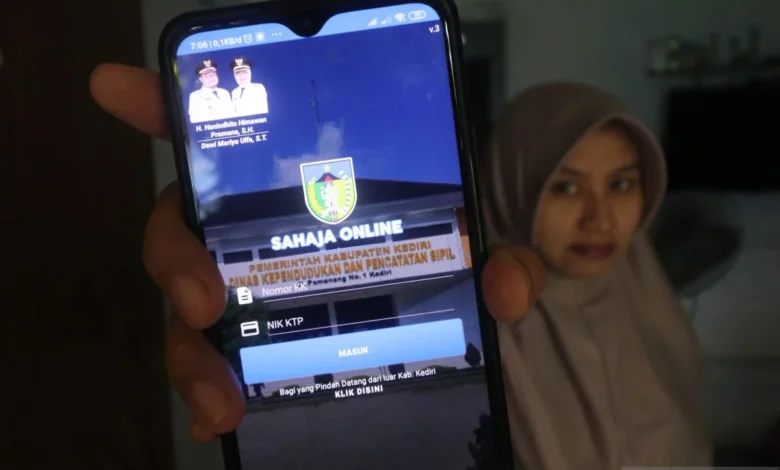
The modernization of public administration in Indonesia has reached a significant milestone as local governments across the archipelago transition to digital-first services for civil registration. Adding a new family member to a Kartu Keluarga (KK)—the primary family identity document—no longer mandates a physical visit to the local Disdukcapil (Department of Population and Civil Registration) office. This digital shift is part of a broader national initiative spearheaded by the Ministry of Home Affairs to streamline bureaucracy, reduce physical foot traffic in government offices, and enhance data accuracy for the national population database.
The Evolution of Civil Registration in Indonesia
Historically, Indonesian citizens were required to endure long queues and manual paperwork to update their family registry. The transition toward electronic population administration, known as Adminduk, was accelerated by the implementation of Law Number 24 of 2013 on Population Administration. This legislative framework established the legal foundation for the digitalization of records, aiming to provide a single, integrated source of truth for the identity of all citizens.
According to data from the Ministry of Home Affairs, the digitalization of population services has significantly improved the efficiency of public service delivery. By 2024, nearly 90% of local government jurisdictions had integrated their services into online platforms, allowing citizens to request updates, including births, deaths, and changes in family composition, from the comfort of their homes. This shift is not merely a convenience but a strategic move to ensure that the National Identity Number (NIK) remains the singular anchor for all public services, from social security and education to healthcare access.
Procedural Distinctions: Newborns vs. Relatives
Understanding the nuance between different types of family additions is critical for a successful application. The administrative requirements vary based on the legal status of the individual being added.
Adding a Newborn
For a newborn, the process is inherently linked to the issuance of a birth certificate. The registration process serves two purposes: establishing the legal identity of the infant and updating the parent’s KK. Applicants are generally required to provide:
- The original KK of the parents.
- A formal birth notification from a hospital, clinic, or certified midwife.
- Marriage certificates or relevant legal proofs of parental union.
- Electronic application forms provided by the regional portal.
Many jurisdictions have now synchronized these services. In several provinces, the system is designed to issue the birth certificate, the updated KK, and the Child Identity Card (KIA) in a single, bundled transaction, drastically reducing the time spent by parents on administrative duties.
Integrating Relatives with Existing NIKs
The complexity increases when adding an existing member, such as an elderly parent or a relative moving into a household. If the individual already possesses a NIK, the procedure typically involves a "transfer" process. This requires the removal of the individual from their previous KK, often necessitating a "Move-In/Move-Out" (Pindah-Datang) permit. This ensures that a person does not exist in two separate family documents simultaneously, which would create a discrepancy in the national database.
A Step-by-Step Guide to Online Submission
While interfaces vary by region—such as the SIDEMANG application in Palembang or the JAKI platform in Jakarta—the underlying workflow remains consistent across the nation.
Step 1: Verification of Official Portals
Users must exercise extreme caution by exclusively using portals ending in ".go.id" or official applications endorsed by the local Disdukcapil. Unauthorized third-party sites pose a significant risk of data phishing and identity theft.
Step 2: Credentialing and Security
Most systems require a secure account registration linked to the head of the family’s NIK. Multi-factor authentication is increasingly being deployed to secure these accounts, as they provide access to sensitive personal data.
Step 3: Document Digitization
The quality of submitted documents is the most common cause of rejection. Files must be scanned or photographed in high resolution, ensuring all text is legible. Blurry images or cropped documents are routinely flagged by automated verification systems or human reviewers.
Step 4: Monitoring and Verification
Once the request is submitted, the application enters a verification queue. Officials cross-reference the provided information against the national database. Applicants are encouraged to monitor their notifications, as any request for additional information or correction must be addressed promptly to prevent the application from expiring.
Economic and Legal Implications
A common misconception among the public is that there is a "service fee" for the convenience of online processing. It is vital to reiterate that under Article 79A of Law No. 24 of 2013, all population administration services are provided free of charge. Any request for payment from officials or intermediaries is illegal and should be reported to the Ombudsman of the Republic of Indonesia.
The elimination of fees serves as a democratic pillar, ensuring that low-income families are not excluded from obtaining essential identity documents. Access to an updated KK is a gateway to government social assistance programs, such as the Family Hope Program (PKH) and subsidized healthcare through the BPJS Kesehatan. Consequently, the ease of updating the KK directly correlates to improved social welfare accessibility.
Expert Analysis: Impact on National Data Integrity
The shift toward digital registration has broader implications for national policy. Accurate, real-time population data is essential for fiscal planning, disaster relief, and infrastructure development. When families keep their data updated, the central government can better allocate resources, such as food subsidies and regional budget disbursements, based on the actual number of inhabitants in a specific district.
However, the transition is not without its challenges. The "digital divide"—the disparity in internet access and digital literacy—remains a hurdle. In rural or remote areas, the reliance on online services can be problematic. To mitigate this, many local governments maintain a hybrid approach, where village administrative offices (Kantor Desa/Kelurahan) assist residents who lack the technical means to submit applications online.
Troubleshooting and Best Practices
To ensure a smooth experience, residents are advised to adhere to the following best practices:
- Standardization of Data: Ensure that names, birth dates, and other identifiers match exactly with the documents held in the civil registry. A mismatch of even a single character can trigger a system lock.
- Consultation Channels: Before initiating a request, utilize the official social media channels or help desks provided by the local Disdukcapil. They often provide "Frequently Asked Questions" (FAQ) sections specific to local regulations.
- Patience with Backend Processing: While online submission is fast, the processing time—which typically ranges from three to seven working days—is necessary for rigorous data validation to prevent fraud.
Conclusion
The digitization of the Kartu Keluarga is a testament to the ongoing administrative reform in Indonesia. By empowering citizens to manage their own civil records, the government has created a more responsive and transparent system. As technology continues to integrate further into the public sector, the goal remains clear: to provide every citizen with an accurate, accessible, and secure digital identity. Residents are encouraged to take proactive steps in keeping their family records updated, as this is a fundamental responsibility that facilitates both personal legal security and national data excellence. For those encountering technical difficulties, the local Disdukcapil office remains the ultimate authority and point of contact for resolving complex administrative disputes.